Your laundry room holds more power over your carbon footprint than you might realize. While we obsess over LED lightbulbs and smart thermostats, that conventional tumble dryer in the corner has been silently devouring energy—often ranking as the second most power-hungry appliance in your home after the refrigerator. Enter heat pump dryer technology: a revolutionary approach to drying clothes that’s transforming how environmentally conscious households tackle laundry day. These innovative appliances don’t just trim your utility bills; they fundamentally reimagine the drying process, slashing energy consumption by up to 50% while treating your fabrics with unprecedented care.
Making the switch to an energy-efficient heat pump dryer represents one of the most impactful single changes you can make for home sustainability. Unlike traditional vented models that blast hot air outside—wasting all that heat and consuming massive amounts of electricity—heat pump dryers recycle warm air in a closed-loop system, capturing moisture and reusing thermal energy with remarkable efficiency. This guide dives deep into everything you need to know about these game-changing appliances, from the science behind their operation to practical considerations for installation and optimization, empowering you to make an informed decision that benefits both your wardrobe and the planet.
Top 10 Energy-Efficient Heat Pump Dryers
Detailed Product Reviews
1. Midea MLE25H7BWW Heat Pump, Ventless Front Load Dryer Stackable Washing Machine, Energy Efficient and Space Saving, 4.4 Cu.ft, White

Overview: The Midea MLE25H7BWW is a 4.4 cubic foot ventless heat pump dryer designed for space-constrained living. Operating on 240V power, this stackable unit eliminates the need for external venting, making it ideal for apartments, closets, or small laundry rooms where traditional dryer installation is impossible.
What Makes It Stand Out: This dryer combines heat pump efficiency with genuine installation flexibility. The humidity sensor automatically adjusts drying time based on moisture levels, preventing over-drying and fabric damage. The Wrinkle Care feature provides 90 minutes of intermittent tumbling post-cycle, a thoughtful touch that keeps clothes fresh if you can’t unload immediately. Its ENERGY STAR qualification ensures it meets strict efficiency standards, reducing operating costs by at least 28% compared to conventional dryers.
Value for Money: At $899, this Midea sits in the sweet spot for heat pump technology. While pricier than basic vented models upfront, the energy savings and eliminated venting costs deliver strong long-term value. The 24-inch width maximizes capacity in minimal square footage, essentially giving you full-size performance in a compact package.
Strengths and Weaknesses: Strengths include exceptional energy efficiency, true ventless operation, stackable design, and gentle low-temperature drying that extends garment life. The humidity sensor provides set-and-forget convenience. Weaknesses are the separate power cord purchase requirement, mandatory 240V outlet, and longer cycle times inherent to heat pump technology. The 4.4 cu.ft capacity may feel limiting for larger families.
Bottom Line: For urban dwellers or eco-conscious homeowners needing ventless flexibility, this Midea delivers reliable performance with meaningful energy savings. The smart features and space-saving design justify the investment, particularly in installations where venting isn’t an option.
2. Techomey 4.4 Cu.Ft Ventless Heat Pump Clothes Dryer, 24" Compact 120/240V Electric Front Load Drying Machine, Stackable for Small Spaces, Apartment, White

Overview: The Techomey ventless heat pump dryer offers 4.4 cubic feet of capacity in a compact 24-inch frame, designed specifically for apartment dwellers and small-space living. This dual-voltage unit (120/240V) provides installation versatility while safely handling everything from delicates to towels without requiring external ventilation.
What Makes It Stand Out: With 16 specialized drying cycles, this dryer offers more customization than most competitors in its class. The manufacturer claims an impressive 66.7% reduction in power consumption through its heat recirculation system. The Smart Sensor Dry Technology automatically pauses when clothes reach optimal dryness, protecting fabrics from heat damage while maintaining temperatures below 50°C for premium fiber protection.
Value for Money: Priced at $849, the Techomey undercuts many heat pump competitors while delivering comparable capacity. The dual-voltage capability adds value for renters or those with limited electrical options. However, the included 4-prong plug may require additional adapter purchases for older 3-prong outlets.
Strengths and Weaknesses: Strengths include excellent energy efficiency claims, versatile cycle selection, compact stackable design, and gentler drying temperatures. The automatic sensor prevents over-drying effectively. Weaknesses include the manual water tank emptying requirement (a common ventless limitation), the need to clean lint filters religiously, and potential adapter costs. Some users may find the interface less refined than premium brands.
Bottom Line: This Techomey model is a budget-friendly entry into heat pump drying technology. For small households prioritizing energy savings and space efficiency over brand prestige, it delivers solid performance with minimal compromises. Just budget for possible electrical adapters and embrace the maintenance routine.
3. Samsung 4.0 Cu Ft Heat Pump Dryer, Compact Clothes Drying Machine, Stackable for Small Spaces w/Sensor Dry, 12 Preset Cycles, 40 Minute Express Dry, DV25B6900HW/A2, White
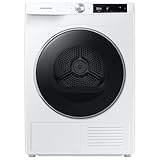
Overview: Samsung’s 4.0 cubic foot heat pump dryer brings premium features to the compact laundry category. The DV25B6900HW/A2 model combines energy-efficient heat pump technology with Samsung’s signature smart features, offering a sophisticated drying solution for space-conscious consumers who refuse to compromise on performance.
What Makes It Stand Out: The standout 40-minute Express Cycle delivers completely dry 2-pound loads in record time—a game-changer for busy households. Samsung’s Smart Care diagnostic system enables troubleshooting directly from your smartphone, eliminating service calls for minor issues. The Sensor Dry system precisely optimizes time and temperature, while 12 preset cycles cover virtually any fabric type. Using refrigerant-based heating instead of traditional elements, it recycles air for maximum efficiency.
Value for Money: At $1,169, this Samsung commands a premium over competitors like Midea and Techomey. You’re paying for brand reliability, faster cycle options, and smart connectivity. For tech-savvy users and Samsung ecosystem loyalists, the integration and diagnostic features justify the upcharge. Others may find comparable efficiency in less expensive alternatives.
Strengths and Weaknesses: Strengths include rapid express drying, intelligent smartphone diagnostics, precise sensor technology, and superior build quality. The heat pump operation remains gentle on clothes while delivering excellent energy savings. Weaknesses include the highest price point in this comparison, slightly smaller 4.0 cu.ft capacity, and premium repair costs if issues arise outside warranty. The feature-rich interface may overwhelm minimalist users.
Bottom Line: If budget allows, Samsung’s heat pump dryer offers the best blend of speed, smarts, and efficiency in the compact category. The express cycle alone makes it worth considering for time-pressed households. For those wanting premium features without venting requirements, this is your top-tier choice.
4. Heat Pump Dryers: Theory, Design and Industrial Applications

Overview: This technical reference book provides comprehensive coverage of heat pump dryer technology from theoretical foundations to practical implementation. Aimed at engineers, researchers, and industry professionals, it explores the thermodynamic principles, design methodologies, and industrial applications that make heat pump drying a sustainable alternative to conventional methods.
What Makes It Stand Out: Unlike consumer product manuals, this academic resource delves into the fundamental science behind heat pump efficiency, including detailed calculations of energy recovery systems and moisture removal processes. It covers industrial-scale applications beyond residential use, offering insights into commercial laundry, food processing, and manufacturing sectors. The book bridges theoretical physics with real-world engineering constraints.
Value for Money: At $133, this specialized text represents significant value for engineering professionals and students seeking authoritative knowledge. It serves as both a learning tool and ongoing reference, potentially saving thousands in design mistakes or energy inefficiencies for commercial operations. For casual homeowners, however, the technical depth may be excessive and impractical.
Strengths and Weaknesses: Strengths include rigorous technical detail, industrial application breadth, and authoritative treatment of thermodynamic principles. It provides design frameworks applicable across multiple industries. Weaknesses include its highly specialized nature—unsuitable for general consumers—and potential datedness depending on publication year. The dense academic prose requires strong engineering background to fully comprehend.
Bottom Line: This book is essential reading for HVAC engineers, industrial designers, and sustainability researchers working on drying technology. For homeowners seeking user manuals or troubleshooting guides, look elsewhere. It delivers professional-grade knowledge that justifies its price for the right audience.
5. COSTWAY Portable Clothes Dryer, Ventless Laundry Dryer, Hot Drying Machine with Heater for Home & Dorms
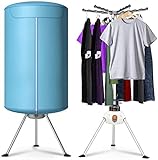
Overview: The COSTWAY Portable Clothes Dryer is a compact, ventless drying solution designed for extreme space constraints. This folding unit uses a warm air motor to dry garments in a hanging configuration, making it ideal for dorm rooms, small apartments, or temporary living situations where traditional dryers are impossible.
What Makes It Stand Out: This isn’t a conventional tumble dryer—it’s a wardrobe-style drying cabinet that isolates clothes in a protective bag while circulating hot air up to 60°C. The included hangers and brackets create a mini-wardrobe system that prevents wrinkles while drying. Its true portability allows use in hotels, offices, or anywhere with a standard outlet, requiring zero installation.
Value for Money: At just $68.39, this represents the most affordable entry into powered clothes drying. While it can’t match the speed or capacity of full-size units, it costs 90% less than heat pump alternatives. For students, travelers, or those in temporary housing, the value proposition is undeniable. The 30-180 minute timer offers flexibility for different loads.
Strengths and Weaknesses: Strengths include extreme affordability, true portability, wrinkle-free results, and no installation requirements. The protective cover bag keeps clothes clean and safe. Weaknesses include very limited capacity (1-2 garments), much longer drying times, lack of moisture sensors, and lower energy efficiency for large loads. It’s unsuitable for families or heavy users.
Bottom Line: This COSTWAY unit solves a specific problem: drying clothes where no other options exist. Don’t expect speed or high capacity, but for singles in dorms or temporary housing, it’s a practical, budget-friendly solution that beats air-drying. Consider it a supplemental tool, not a primary dryer replacement.
6. Siegvoll Plinth Filter Replacement for Miele T1 Dryer 9164761, Tumble Dryer Foam Filter 8.15x6.18x1.18″, Tumble Dryer Heat Pump Socket Filters Compatible with Miele Heat Pump Dryer 2PCS

Overview: The Siegvoll Plinth Filter Replacement offers a cost-effective solution for maintaining Miele T1 heat pump dryers. Designed as a direct replacement for part number 9164761, this two-pack ensures your dryer’s heat exchanger remains protected from lint and dust buildup. Measuring 8.15 x 6.18 x 1.18 inches, these filters feature a dual-layer construction that captures debris more effectively than single-layer alternatives, ensuring optimal dryer performance.
What Makes It Stand Out: The innovative 2-layer design combines coarse and fine filtration materials to trap particles at different stages, significantly improving air flow and dryer efficiency. The package includes two filters, allowing you to rotate between cleaning and immediate replacement—a practical feature for busy households. With 12 months of customer support and compatibility across numerous Miele models, Siegvoll provides peace of mind alongside performance.
Value for Money: At $9.99 for a two-pack, these filters cost significantly less than OEM replacements while delivering comparable protection. Regular filter replacement prevents energy waste and costly repairs, making this an intelligent preventative maintenance investment. For Miele owners, this represents substantial long-term savings without compromising on quality, paying for itself through improved efficiency alone.
Strengths and Weaknesses:
- Pros: Affordable two-pack configuration; dual-layer filtration enhances performance; exact dimensional match for easy installation; included customer support; extends dryer lifespan
- Cons: Third-party quality may vary; requires manual size verification; potentially shorter lifespan than original Miele filters; limited brand recognition
Bottom Line: The Siegvoll filter set is a smart purchase for Miele T1 dryer owners seeking reliable performance at a fraction of OEM costs. Verify measurements before ordering, and you’ll enjoy uninterrupted, efficient drying operations.
7. 24 Inch Smart Electric Wash Tower with 2.4 cu. ft. Washer Capacity, 4.2 cu. ft. Dryer Capacity, Energy Star Certified, AI DD, Dual Inverter Heat Pump Dryer, ThinQ Technology
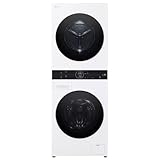
Overview: This premium wash tower combines a 2.4 cubic foot washer with a 4.2 cubic foot dual inverter heat pump dryer in a single vertical unit. Energy Star certified and featuring LG’s ThinQ technology, this smart appliance brings advanced AI-driven fabric care to compact spaces. The auto-cleaning condenser minimizes maintenance while maximizing efficiency for modern households.
What Makes It Stand Out: The AI DD (Artificial Intelligence Direct Drive) system automatically detects fabric weight and softness to optimize washing motions, reducing fabric damage by 18%. The dual inverter heat pump dryer delivers exceptional energy efficiency with precise temperature control. ThinQ connectivity enables remote monitoring, cycle downloads, and smart diagnostics through your smartphone, putting advanced laundry management at your fingertips.
Value for Money: At $2,399, this wash tower commands a premium price but delivers integrated functionality that would cost more when purchasing separate units with equivalent features. The space-saving design alone justifies the investment for apartment dwellers or those with limited laundry room square footage. Energy savings from the heat pump technology and inverter motors will offset the initial cost over time through reduced utility bills.
Strengths and Weaknesses:
- Pros: Space-efficient vertical design; advanced AI fabric protection; superior energy efficiency; smart home integration; auto-cleaning condenser reduces maintenance
- Cons: High upfront cost; washer capacity smaller than standalone units; if one component fails, both may be unusable; complex technology could mean expensive repairs
Bottom Line: For tech-savvy homeowners prioritizing space optimization and cutting-edge fabric care, this wash tower justifies its premium price tag. The convenience and efficiency gains make it a worthwhile investment for modern households.
8. KoolMore 24" Electric Ventless Heat Pump Dryer, 4.4 Cu. Ft., For Small Home or Apartment, Stackable Unit, Wrinkle Prevention with Sensor Dry Technology, 16 Drying Cycles [White] [240V] (FLD-5CWHP)
![KoolMore 24" Electric Ventless Heat Pump Dryer, 4.4 Cu. Ft., For Small Home or Apartment, Stackable Unit, Wrinkle Prevention with Sensor Dry Technology, 16 Drying Cycles [White] [240V] (FLD-5CWHP)](https://m.media-amazon.com/images/I/41KRowuKmiL._SL160_.jpg)
Overview: The KoolMore ventless heat pump dryer offers 4.4 cubic feet of capacity in a compact 24-inch footprint ideal for apartments, RVs, and small homes. This Energy Star certified unit features 16 drying cycles and smart sensor technology to prevent over-drying. The stackable design pairs perfectly with matching KoolMore washers, while the zinc-coated drum ensures optimal heat distribution throughout the drying process.
What Makes It Stand Out: The zinc-coated interior drum maximizes heat retention and airflow, providing gentle yet efficient drying for all fabric types. Sensor Dry technology continuously monitors moisture levels, automatically adjusting cycle time and temperature to protect garments. With 16 specialized cycles including quick dry and wrinkle release, this dryer handles everything from delicates to heavy towels with precision.
Value for Money: Priced at $1,378.12, this dryer sits in the sweet spot between budget and premium heat pump models. It offers features comparable to units costing $500 more while maintaining excellent energy efficiency that reduces utility bills. The ventless design eliminates installation costs associated with external venting, creating additional savings that make this a financially sound choice for space-constrained living.
Strengths and Weaknesses:
- Pros: Energy-efficient heat pump technology; no venting required; zinc-coated drum enhances performance; 16 versatile cycles; stackable space-saving design; sensor dry prevents damage
- Cons: Lesser-known brand may have limited service network; 240V requirement may need electrical work; drying times longer than vented models; drum capacity adequate but not generous
Bottom Line: The KoolMore dryer delivers impressive value for those seeking heat pump efficiency in a compact package. It’s an excellent choice for space-constrained living situations where venting isn’t possible.
9. Smad 23.4" Ventless Heat Pump Dryer, 4.4 Cu.Ft Front Load Clothes Dryer with Wrinkle Care,10KG Load, 120/240V, White

Overview: Smad’s 4.4 cubic foot ventless heat pump dryer brings energy-efficient drying to budget-conscious consumers. This compact unit operates on 120/240V dual voltage and features an LED display with cycle status indicators. With 16 drying programs, wrinkle care, and sanitize functions, it packs premium features into an affordable package designed for apartments and small homes where space is at a premium.
What Makes It Stand Out: The dual voltage flexibility allows installation in various settings without electrical upgrades. The sanitize function eliminates bacteria while the wrinkle care feature keeps garments fresh between wears. LED display with cycle status lights provides clear monitoring throughout the drying process. At just 23.4 inches wide, this stackable unit fits virtually anywhere while handling full-size laundry loads effectively.
Value for Money: At $899.99, this is one of the most affordable heat pump dryers available, undercutting competitors by hundreds of dollars. It doesn’t sacrifice essential features, offering the same 4.4 cu ft capacity and 16 cycles found in pricier models. The energy savings from heat pump technology will quickly recoup the investment compared to conventional vented dryers, making this a financially savvy choice.
Strengths and Weaknesses:
- Pros: Exceptionally affordable; dual voltage installation flexibility; sanitize and wrinkle care functions; energy-efficient operation; compact stackable design; clear LED monitoring
- Cons: Unknown long-term reliability; potentially louder operation; build quality may not match premium brands; customer support network uncertain; longer drying cycles than vented units
Bottom Line: For those wanting heat pump efficiency on a tight budget, the Smad dryer is a compelling option. Accept some trade-offs in brand recognition and potentially longevity for significant upfront savings and versatile installation.
10. SMETA 4.4 Cu.Ft Heat Pump Ventless Electric Dryer, Front Load Clothes Dryer Machine, 24" Compact Stackable Portable With 4-wire Plug, Large Capacity Secadora De Ropa Electrica For Home Apartment RV

Overview: SMETA’s compact heat pump dryer combines a generous 4.4 cubic foot capacity with ventless operation, making it ideal for families in apartments, RVs, or homes without venting options. This Energy Star rated unit features sensor dry technology with 12 fabric-specific cycles and a rapid 30-minute quick dry option. The stackable design maximizes floor space efficiency while delivering full-size performance.
What Makes It Stand Out: The 30-minute Quick Dry cycle handles partial loads efficiently, a rarity in heat pump dryers known for longer cycles. Sensor Dry automatically optimizes temperature and time based on moisture detection, preventing fabric damage from over-drying. The unit handles diverse fabrics from silks to quilts, while the ventless design allows flexible placement anywhere with 240V power and a 4-wire plug.
Value for Money: At $999, this dryer positions itself as a mid-range option balancing affordability with performance. It costs slightly more than budget alternatives but offers faster drying cycles and robust sensor technology. The energy efficiency and compact footprint deliver ongoing savings that justify the moderate premium over conventional dryers, making it a practical long-term investment.
Strengths and Weaknesses:
- Pros: Rapid 30-minute quick dry; large capacity for compact size; versatile 12-cycle options; effective sensor dry technology; energy-efficient heat pump; stackable design
- Cons: Fewer cycles than some competitors; 240V only (no 120V option); brand recognition limited; potential service challenges; longer standard cycles than vented dryers
Bottom Line: SMETA’s dryer excels for families needing speed and capacity in a compact form. The quick dry feature and sensor technology make it a practical choice for busy households prioritizing efficiency and fabric protection.
Understanding Heat Pump Dryer Technology
The Science Behind the Savings
Heat pump dryers operate on the same fundamental principles as your refrigerator or air conditioner, but in reverse. They use a refrigerant circuit with an evaporator, compressor, and condenser to create a continuous cycle of heat exchange. Ambient air enters the system, passes over the heated condenser coil, and circulates through the drum to absorb moisture from your clothes. Instead of venting this hot, humid air outside, the dryer extracts the moisture through condensation, reheats the now-dry air, and sends it back through the drum. This closed-loop process recycles thermal energy rather than constantly generating new heat, resulting in dramatically lower electricity consumption.
The compressor acts as the heart of the system, using electricity to move refrigerant and concentrate heat rather than creating it through resistance heating elements. This heat transfer mechanism achieves coefficients of performance (COP) of 3.0 or higher, meaning for every unit of electricity consumed, three units of heat energy are delivered to your laundry. Traditional electric dryers, by contrast, operate at a COP of essentially 1.0—every watt of electricity becomes one watt of heat, with all of it eventually lost through the vent.
How They Differ from Traditional Dryers
Conventional dryers function like giant hairdryers, pulling room-temperature air, heating it to 150-170°F with electric coils or gas burners, then forcing it through tumbling clothes and immediately exhausting it outdoors. This process wastes enormous amounts of energy and creates negative pressure in your home, pulling in unconditioned outside air that your HVAC system must then reheat or cool. Heat pump dryers, conversely, operate at lower temperatures—typically 120-140°F—and maintain that heat within the system.
The ventless design eliminates the need for exterior ductwork, which not only reduces installation complexity but also prevents the infiltration of outdoor pollutants, humidity, and allergens. This makes heat pump dryers particularly valuable for apartments, condos, or homes where venting proves challenging or impossible. The technology also generates less wear and tear on fabrics since garments aren’t subjected to extreme heat and rapid temperature fluctuations.
Environmental Impact: Why Your Carbon Footprint Matters
Quantifying the Carbon Savings
The average household runs approximately 300 dryer loads annually, with conventional electric dryers consuming 3-4 kilowatt-hours per load. Over a year, this translates to nearly a megawatt-hour of electricity—enough to power an entire home for a month. Heat pump dryers cut this consumption by 40-50%, saving 400-500 kWh per year for a typical family. When you consider the carbon intensity of grid electricity, this reduction prevents 300-600 pounds of CO2 emissions annually, equivalent to taking your car off the road for two to three weeks.
The environmental benefits multiply when scaled across communities. If just 10% of American households adopted heat pump dryers, we’d reduce national electricity demand by roughly 4 terawatt-hours per year—the output of a small power plant. These appliances also eliminate the methane emissions associated with gas dryers, which leak small amounts of unburned gas and contribute to greenhouse gas accumulation even when idle.
The Bigger Picture: Home Energy Consumption
Laundry appliances represent about 6% of total residential energy use, but dryers dominate this category, consuming five times more energy than washing machines. As homes become more efficient through better insulation, efficient windows, and LED lighting, the proportional impact of inefficient dryers actually increases. Addressing this “energy hog” creates a more balanced, sustainable home energy profile.
Heat pump dryers also align perfectly with renewable energy adoption. Their lower power draw makes them ideal candidates for solar-powered homes, reducing the need for battery storage or grid supplementation. Some models can even be programmed to operate during peak solar production hours, maximizing clean energy utilization and further minimizing carbon impact.
Economic Benefits: Beyond the Sticker Price
Upfront Investment vs. Long-Term Savings
Yes, heat pump dryers command premium prices—typically $300-600 more than comparable conventional models. However, this initial gap closes rapidly through operational savings. At an average electricity rate of $0.14 per kWh, a heat pump dryer saves $50-70 annually in utility costs. Over a 12-15 year lifespan, total savings can exceed $1,000, not accounting for rising energy prices.
The financial equation becomes even more compelling in regions with high electricity rates or time-of-use pricing. California households paying $0.30/kWh during peak hours can save $150+ per year. Additionally, the ventless installation eliminates the $200-500 cost of professional ductwork, potentially offsetting the price premium entirely. When you factor in extended garment lifespan—delicate fabrics last longer when dried at lower temperatures—the total cost of ownership favors heat pump technology decisively.
Utility Rebates and Incentives
Many utility companies offer substantial rebates for ENERGY STAR certified heat pump dryers, ranging from $50 to $300 depending on your location. These incentives reflect grid management strategies; reducing residential peak demand delays the need for expensive infrastructure upgrades. Check the Database of State Incentives for Renewables & Efficiency (DSIRE) for programs in your area.
Federal tax credits may also apply, particularly if you’re undertaking a whole-home energy retrofit. Some states include heat pump dryers in their energy efficiency rebate programs, especially when replacing gas appliances with electric alternatives. The Inflation Reduction Act provisions for home electrification could potentially cover these appliances in certain contexts, though eligibility varies by project scope.
Key Features That Define Excellence
Energy Rating Systems Decoded
ENERGY STAR certification serves as your baseline indicator of efficiency, but the real metric lies in the Combined Energy Factor (CEF). This rating measures pounds of clothing dried per kilowatt-hour consumed; higher numbers indicate better efficiency. Top-tier heat pump dryers achieve CEF ratings of 6.0-7.0, compared to conventional dryers struggling to reach 3.5.
European models use the A+++ rating system, with heat pump dryers dominating the highest tiers. When comparing units, look for the yellow EnergyGuide label, which provides estimated annual operating costs based on national average electricity rates. Pay attention to the “per load” consumption figure, as manufacturers sometimes optimize for smaller loads to inflate ratings artificially.
Moisture Sensors and Smart Drying
Advanced moisture sensors represent a critical efficiency feature, using conductivity or capacitance to detect exact dampness levels. Multiple sensors positioned throughout the drum prevent over-drying, which wastes energy and damages fabrics. Look for systems with at least two sensors and algorithms that adjust time, temperature, and tumbling patterns dynamically.
Smart drying modes go further, learning your usage patterns and optimizing cycles accordingly. Some systems can detect fabric types through weight distribution and moisture absorption rates, automatically selecting the most efficient program. This technology prevents the common mistake of using a heavy-duty cycle for lightweight loads, which can double energy consumption unnecessarily.
Capacity Considerations for Your Household
Heat pump dryers typically offer 4-8 cubic feet of capacity, with 7.0-7.4 cubic feet serving most families adequately. However, the technology performs most efficiently when filled to recommended capacity—not overloaded or underloaded. Overloading restricts airflow and forces the compressor to work harder, while underloading wastes energy per garment.
Consider your washing machine’s capacity when selecting a dryer. A mismatched pair leads to inefficient operation; if your washer holds 4.5 cubic feet but your dryer only manages 4.0, you’ll need to split loads or run extended cycles. Stackable configurations work well with heat pump dryers since they don’t require rear vent clearance, saving valuable floor space while maintaining capacity.
Installation and Space Requirements
Ventless Design Advantages
The absence of venting requirements revolutionizes laundry room placement possibilities. Heat pump dryers can install in interior closets, under countertops, or even in bedrooms, provided adequate clearance for air circulation. This flexibility proves invaluable for urban dwellers or those renovating older homes where ductwork would require invasive construction.
Ventless operation also improves indoor air quality by preventing backdrafting and eliminating the lint-laden humid air that conventional dryers exhaust. The condensed water collects in a reservoir or drains directly into a standpipe or sink, offering multiple disposal options. For maximum convenience, connect the drain hose to your plumbing system to avoid manual emptying.
Electrical and Plumbing Needs
Most heat pump dryers require a standard 240-volt outlet, though some compact models operate on 120 volts. Unlike gas dryers, they need no fuel line, reducing installation complexity and safety concerns. Ensure your electrical panel has adequate capacity; while these dryers use less energy overall, they still draw significant current during operation.
The plumbing connection for condensate drainage typically uses a standard 1/2-inch hose that can share the washing machine’s drain standpipe. Some installations may require a small condensate pump if the drain point sits above the dryer’s water outlet. Verify ceiling height and door swing clearances, as heat pump dryers often have different dimensions than traditional units due to heat exchanger placement.
Performance Metrics That Matter
Drying Time Realities
The most common concern about heat pump dryers involves cycle length. Yes, they typically take 20-40% longer than conventional dryers—70-90 minutes versus 45-60 minutes for a standard load. However, this metric misleads when evaluating true efficiency. The total energy consumed per load remains dramatically lower despite extended run times.
Modern compressors and improved airflow designs have narrowed this gap considerably. Quick-dry cycles for small loads can finish in under 30 minutes, while sensor technology ensures heavy towels don’t emerge damp. Consider the time-of-use factor: running a longer cycle during off-peak hours costs significantly less than a faster cycle during peak demand periods. The shift in mindset from “fastest” to “most efficient” unlocks the technology’s true value.
Fabric Care and Longevity
Lower drying temperatures translate directly to extended garment life. Elastane fibers in activewear break down above 150°F, while wool felts and cotton fibers weaken under thermal stress. Heat pump dryers maintain gentler temperatures that preserve fabric integrity, maintaining fit and color vibrancy far longer than conventional drying.
The consistent, moderate heat prevents the “crispy” feel over-dried clothes often develop. Delicate items that previously required air-drying can often tumble safely in a heat pump dryer on appropriate cycles. This versatility reduces the need for line-drying or dry-cleaning, saving time and additional resources while expanding your laundry capabilities.
Noise Levels and Operation
Compressor-based systems generate different acoustic profiles than simple fan-and-heater dryers. Expect operational noise around 60-65 decibels—comparable to a normal conversation—versus 70+ decibels for conventional models. The compressor cycles on and off, creating a rhythmic sound pattern rather than constant roar.
Installation location matters significantly. Place the dryer on a solid, level surface to minimize vibration. Some models include anti-vibration mounts and insulated cabinets that reduce noise transmission through floors and walls. If installing near living spaces or bedrooms, look for units specifically marketed as “quiet operation” with sound-dampening features.
Maintenance and Longevity
Filter Systems and Cleaning Routines
Heat pump dryers require more diligent filter maintenance than traditional models. Most feature a dual-filter system: a standard lint screen cleaned after every load, plus a secondary heat exchanger filter requiring weekly attention. This second filter prevents lint accumulation on the delicate condenser coils, which would reduce efficiency and potentially damage the compressor.
Some advanced models include self-cleaning condensers that automatically flush lint with condensed water, reducing maintenance to a monthly check. Even with this feature, inspect the system quarterly to ensure proper function. Clean the drum interior monthly with a damp cloth to remove detergent residue and fabric softener buildup that can affect sensor accuracy.
Professional Servicing Needs
The sealed refrigerant system requires professional service every 3-5 years to check for leaks and verify refrigerant charge levels. A qualified technician should inspect electrical connections, compressor mounts, and fan operation during these visits. Unlike simple heating elements, compressor replacement can be costly, making warranty coverage a crucial consideration.
Choose models with 5-10 year warranties on the compressor and sealed system. Standard warranties typically cover one year parts and labor, with extended coverage available for purchase. The longer warranty period often indicates manufacturer confidence in component durability and can protect your investment against premature failure.
Smart Features and Connectivity
App Integration and Remote Monitoring
Wi-Fi enabled dryers allow cycle monitoring and control from your smartphone, sending notifications when loads complete or filters need cleaning. This connectivity prevents clothes from sitting damp, reducing wrinkles and the need for re-drying. Some apps provide maintenance reminders and diagnostic tools that help troubleshoot issues before requiring service.
Integration with smart home ecosystems enables voice control and automation. Program your dryer to run when your solar panels produce excess power or when utility rates drop to their lowest point. These features transform your dryer from a simple appliance into an active participant in home energy management.
Energy Usage Tracking
Detailed energy consumption data helps optimize your laundry habits. Many smart dryers provide per-cycle kWh usage, allowing you to identify which settings consume the most power. Track monthly trends to see how seasonal changes affect efficiency, and set energy budgets that alert you when usage exceeds targets.
This data proves invaluable for solar-powered homes, helping you schedule loads during peak production hours. Some utilities offer time-of-use rate plans where electricity costs vary throughout the day; usage tracking lets you capitalize on the cheapest rates automatically.
Common Misconceptions Debunked
The “Slow Drying” Myth
While cycle times run longer, total time spent on laundry often decreases. Heat pump dryers eliminate the need to babysit loads or run back-to-back cycles for large families. Their gentler action reduces wrinkling, cutting ironing time significantly. The ability to install dryers closer to living spaces means less walking back and forth to a remote basement or garage.
Modern life rarely demands instant dry clothes. Planning ahead becomes second nature: start a load before dinner, and it’s ready by bedtime. The convenience of setting a delay timer to finish as you wake up often outweighs the perceived drawback of longer cycles. In reality, most households adapt within weeks and wonder why they ever prioritized speed over efficiency.
Upfront Cost Concerns
The price premium continues shrinking as manufacturing scales up and competition increases. When calculating true cost, factor in the venting savings, utility rebates, and extended appliance lifespan. Many retailers now offer financing options that spread the premium over time, with monthly energy savings often offsetting the payment difference.
Consider the cost of not switching. Energy prices trend upward, and carbon regulations may eventually penalize inefficient appliances through carbon taxes or usage fees. Early adoption positions you ahead of these curves, avoiding future retrofitting costs and potential penalties.
Making the Transition: What to Expect
Lifestyle Adjustments
Transitioning to a heat pump dryer requires minor routine modifications. You’ll need to empty the condensate reservoir after every 3-5 loads unless you’ve connected a drain hose. Filter cleaning becomes a weekly ritual rather than an occasional afterthought. Load sizes need more attention—mixing heavy towels with lightweight shirts reduces efficiency.
The dryer’s gentler action means clothes feel different when they emerge—slightly damper to the touch but actually at appropriate moisture levels. Trust the sensors rather than your initial impression. Within a month, these new habits become automatic, and the energy savings provide positive reinforcement.
Optimizing Your Laundry Routine
Wash similar fabrics together to ensure even drying. Use high-spin cycles on your washer to extract maximum water before drying begins—every extra RPM in the washer saves minutes and kilowatts in the dryer. Avoid dryer sheets, which leave residue on moisture sensors; use wool dryer balls instead to reduce static and improve airflow.
Time your loads strategically. Running consecutive cycles takes advantage of residual heat in the drum, improving subsequent load efficiency by 5-10%. Program heavy-duty cycles for off-peak hours, and use quick-dry settings for small, lightly soiled items that don’t need sanitizing heat.
Maximizing Your Dryer’s Efficiency Potential
Best Practices for Loading
Fill the drum to 75-80% capacity for optimal airflow and energy use. Underloading wastes energy per item, while overloading forces the compressor to run longer and work harder. Shake out tangled items before loading to ensure even drying and prevent moisture pockets. Separate heavy cottons from lightweight synthetics, as mixing fabric types creates uneven drying and extends cycle times.
For bulky items like comforters, add dryer balls to maintain loft and improve air circulation. Clean the lint filter before each load, even if it looks clean—a thin film of invisible residue can restrict airflow significantly. When drying mixed loads, remove lighter items as they finish and let heavier pieces continue, preventing unnecessary energy expenditure on already-dry clothes.
Ideal Placement and Ventilation
While heat pump dryers don’t require venting, they do need adequate air circulation around the unit. Maintain at least one inch of clearance on sides and rear, and ensure the room temperature stays above 50°F for optimal performance. In extremely cold environments, the refrigerant system becomes less efficient, though most models include low-temperature protection.
Place the dryer on a level surface to prevent vibration and ensure proper condensate drainage. If installing in a closet, verify the door can remain open during operation or that the space meets manufacturer specifications for enclosed installation. Some models include front ventilation panels that allow zero-clearance installation, perfect for tight urban spaces.
Companion Appliances and Pairing
Match your heat pump dryer with a high-efficiency front-load washer featuring high RPM spin cycles. This pairing maximizes water extraction before drying, reducing compressor run time. Look for washers with automatic load sensing that adjusts water levels to prevent over-wetting clothes unnecessarily.
Consider a laundry center approach with a stacking kit, which saves space and creates a cohesive system. Some manufacturers offer communication between washer and dryer, where the washer sends load information to automatically select optimal drying cycles. This integration eliminates guesswork and ensures every load receives precisely the right treatment for maximum efficiency.
Frequently Asked Questions
Do heat pump dryers work in cold climates?
Yes, but efficiency decreases as ambient temperature drops. Most models operate effectively in temperatures as low as 41°F, though drying times extend slightly. For unheated spaces like garages in winter, choose a model with a built-in low-temperature mode that protects the refrigerant system and maintains performance.
Can I install a heat pump dryer myself?
If you have basic DIY skills and the unit requires only a 240-volt outlet, self-installation is feasible. However, professional installation ensures proper leveling, drain connection, and electrical safety. The sealed refrigerant system comes pre-charged and requires no user service, but warranty terms may mandate professional setup.
How often should I clean the heat exchanger filter?
Clean the secondary heat exchanger filter weekly under normal use, or after every 3-4 loads for heavy users. Neglecting this maintenance reduces efficiency by 10-20% and can lead to compressor damage. Models with self-cleaning condensers reduce this frequency but still require monthly inspection.
Will a heat pump dryer increase my home’s humidity?
No. These dryers remove moisture from clothes and collect it as liquid condensate, actually reducing indoor humidity slightly. Unlike ventless condenser dryers of the past, modern heat pump models don’t release warm, moist air into the room, making them safe for interior installations.
Can I dry all fabrics in a heat pump dryer?
Yes, including delicates, activewear, and even woolens that traditionally required air drying. The lower temperatures and precise moisture control prevent damage. Always check garment labels, but you’ll find most items marked “lay flat to dry” can safely tumble on low-heat cycles.
Do these dryers require special detergent?
No special detergent needed, but avoid over-sudsing. Excess detergent residue transfers to the dryer and can coat sensors and heat exchangers. Use high-efficiency (HE) detergent in appropriate amounts, and run an occasional empty hot cycle to clean the drum and internal components.
How long do heat pump dryers typically last?
With proper maintenance, expect 12-15 years of service—comparable to or slightly longer than conventional dryers. The compressor is the critical component; quality models use inverter-driven variable-speed compressors that experience less wear than fixed-speed units. Regular filter cleaning and professional servicing every 3-5 years maximize lifespan.
Are they safe for homes with children or pets?
Yes, and arguably safer than conventional dryers. Lower surface temperatures reduce burn risks, and the sealed system eliminates combustion hazards associated with gas models. Child locks prevent cycle interruption, and the lack of a hot vent eliminates a potential fire hazard. The condensate system also prevents lint buildup in walls, a common fire risk with vented dryers.
What’s the difference between a heat pump dryer and a ventless condenser dryer?
While both are ventless, condenser dryers use a passive air-to-air heat exchanger that consumes more energy. Heat pump dryers employ active refrigeration technology, making them 40-50% more efficient than even ventless condenser models. Condenser dryers also run hotter, offering fewer fabric care benefits.
Can I use dryer sheets or fabric softener?
Avoid traditional dryer sheets, which leave a waxy residue on moisture sensors and heat exchanger fins. This buildup reduces efficiency and can cause malfunctions. Use wool dryer balls to soften fabrics and reduce static instead. If you must use sheets, place them in the dryer only during the last 10 minutes of the cycle to minimize sensor coating.