If your electricity bill makes you wince every month, your laundry room might be the culprit. Traditional dryers are among the most energy-hungry appliances in modern homes, second only to refrigerators and HVAC systems. But what if you could slash that energy consumption by more than half while actually improving fabric care? Energy Star certified heat-pump dryers represent a fundamental shift in laundry technology, delivering proven operating cost reductions of 60% compared to conventional models without sacrificing performance. This isn’t incremental improvement—it’s a complete reimagining of how clothes drying should work.
As utility rates climb and environmental consciousness grows, homeowners are discovering that these ventless marvels offer more than just savings. They protect delicate fabrics, reduce humidity issues in your home, and qualify for substantial rebates that can offset their premium pricing. Whether you’re building a sustainable new home or retrofitting an existing laundry space, understanding what makes these dryers different will transform how you think about this everyday appliance. Let’s explore everything you need to know to make an informed decision about this game-changing technology.
Top 10 Energy Star Heat-Pump Dryers with Lower Operating Costs
Detailed Product Reviews
1. Samsung 4.0 Cu Ft Heat Pump Dryer, Compact Clothes Drying Machine, Stackable for Small Spaces w/Sensor Dry, 12 Preset Cycles, 40 Minute Express Dry, DV25B6900HW/A2, White
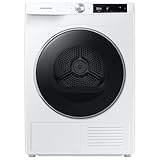
Overview: The Samsung 4.0 Cu Ft Heat Pump Dryer delivers energy-efficient drying in a compact, stackable design perfect for small spaces. Using refrigerant-based heat pump technology, it recycles air to cut energy use by 50-60% while gently drying clothes. With 12 preset cycles, Sensor Dry technology that automatically optimizes time and temperature, and Smart Care smartphone diagnostics, this ventless unit eliminates complex installation. The 40-minute Express Cycle handles urgent small loads efficiently.
What Makes It Stand Out: The 40-minute Express Cycle is a game-changer for busy households, drying 2-pound loads quickly when needed. Samsung’s Smart Care feature provides instant smartphone troubleshooting, saving costly service calls. The Sensor Dry system continuously monitors moisture to prevent over-drying and fabric damage. Its true stackable design with companion washers creates a complete space-saving laundry solution without performance compromises.
Value for Money: At $1,169, the premium over conventional dryers is offset by substantial energy savings that typically pay back within 3-5 years. Compared to other compact heat pump models, Samsung’s pricing is competitive, especially including smart features and brand reliability. Eliminating venting saves installation costs, making it attractive for renters.
Strengths and Weaknesses: Strengths include outstanding energy efficiency, compact footprint, intelligent moisture sensing, convenient Express Cycle, and smart diagnostics. The ventless design offers installation flexibility. Weaknesses are the smaller 4.0 cu ft capacity, longer cycle times than traditional dryers, and higher upfront cost. Bulk items like comforters may require special attention.
Bottom Line: Ideal for urbanites, small families, and eco-conscious consumers in spaces where venting is impossible. While slower than conventional dryers, the energy savings, fabric protection, and smart features justify the investment for moderate laundry volumes. A practical choice for those prioritizing efficiency and space optimization over raw speed.
2. BLACK+DECKER 4.4 Cu. Ft. Electric Dryer with Heat Pump, 22 lb. Capacity , 240V Electric Clothes Dryer with 16 Cycles, Without Outside Exhaust, BDFH44M, White

Overview: The BLACK+DECKER 4.4 Cu Ft Electric Dryer combines heat pump efficiency with ventless flexibility. Using 28% less electricity than conventional dryers, this Energy Star unit recirculates air for energy savings. With 16 cycles, it offers more options than most competitors. The stainless steel drum ensures durability, while the included water tank and drain hose provide versatile moisture management. This 240V dryer requires professional installation but eliminates the need for external venting.
What Makes It Stand Out: The ventless design allows installation anywhere with 240V power, perfect for apartments or homes without ductwork. The dual water drainage system—tank or continuous drain—offers unmatched flexibility. With 16 drying cycles, it provides superior customization for different fabrics. The zinc-coated stainless steel drum resists corrosion better than standard drums, promising longevity in humid environments.
Value for Money: At $1,699.99, this premium-priced dryer reflects its larger capacity and build quality. While 28% energy savings provide moderate long-term value, the mandatory professional installation adds $150-300 to upfront costs. The ventless design saves on ductwork expenses, partially offsetting the price. Compared to similar capacity heat pump dryers, it’s competitively priced but not a budget option.
Strengths and Weaknesses: Strengths include generous 4.4 cu ft capacity, flexible ventless installation, durable stainless steel drum, extensive cycle selection, and dual drainage options. Weaknesses are the high purchase price, required professional installation, longer cycle times, and moderate energy savings versus premium competitors. The additional installation cost reduces initial value.
Bottom Line: Ideal for medium-sized households needing ventless convenience and willing to pay for professional setup. The BLACK+DECKER excels in flexibility and durability but demands a significant investment. Choose this for its cycle variety and build quality if budget allows. For maximum energy savings or smaller spaces, consider alternatives. A solid choice for permanent installations without venting access.
Understanding Heat-Pump Dryer Technology
How Traditional Dryers Work
Conventional dryers operate like oversized hair dryers, pulling room-temperature air, heating it with electric coils or gas burners to temperatures reaching 150°F or higher, then blasting it through tumbling clothes. This superheated air absorbs moisture and vents it—along with all that expensive heat—directly outside. The process is brutally inefficient: up to 60% of the energy literally goes out the window, and the dryer must continuously reheat fresh air from your home. This creates negative pressure that can pull conditioned air from your living spaces, making your HVAC system work harder.
The Heat-Pump Advantage
Heat-pump dryers function more like air conditioners running in reverse, using closed-loop refrigeration systems to capture and reuse thermal energy. A compressor pressurizes refrigerant, which heats up as it condenses. This heat gently warms air circulating through the drum. As the moisture-laden air passes through the evaporator coil, water condenses out and drains away, while the now-dry air gets reheated and recirculated. This heat recycling achieves the same drying effect using temperatures barely exceeding 120°F—protecting your clothes while consuming 40-50% less electricity than even the most efficient conventional electric models.
Why Energy Star Certification Matters
The Testing Process
Energy Star doesn’t hand out certifications lightly. Dryers undergo rigorous testing in EPA-recognized laboratories under precisely controlled conditions. Testers run identical loads repeatedly, measuring energy consumption per drying cycle with instruments calibrated to detect wattage differences down to the decimal point. Manufacturers can’t self-certify; third-party verification ensures claimed efficiencies are real-world achievable, not just laboratory anomalies. The certification also requires meeting strict standby power limits, ensuring these units don’t waste energy when idle.
What 60% Lower Operating Costs Really Means
That eye-catching 60% figure isn’t marketing hyperbole—it’s based on comparing Energy Star heat-pump models against conventional electric dryers meeting minimum federal standards. For the average American family running 300 loads annually, this translates to roughly $100-150 in annual savings. Over a typical 12-15 year appliance lifespan, you’re looking at $1,500-2,000 in reduced utility costs. In regions with high electricity rates exceeding $0.20 per kWh, the savings jump even higher. The calculation factors in both active drying cycles and standby power consumption, giving you a complete financial picture.
Key Features to Look For
Moisture Sensors and Precision Drying
The best heat-pump dryers employ advanced moisture-sensing technology that goes beyond basic conductivity sensors. Look for models with dual humidity and temperature sensors that create a three-dimensional map of your load’s dryness. These systems detect when even thick jeans are dry at the seams while preventing over-drying of lighter items. This precision not only saves energy by cutting cycles short when appropriate but also extends garment life by avoiding the fabric damage caused by excessive heat exposure.
Capacity Considerations
Heat-pump dryers typically range from 4.0 to 5.2 cubic feet, with most full-size models hovering around 4.5 cubic feet. While this seems comparable to conventional dryers, the gentler drying action means clothes can tumble more effectively without packing down. For families of four or more, aim for at least 4.5 cubic feet to handle bulky items like comforters. Be realistic about your space constraints too—these units are often slightly deeper than traditional dryers due to their heat exchanger components.
Cycle Options and Fabric Care
Modern heat-pump dryers offer specialized cycles that leverage their low-heat advantage. Wool cycles maintain temperatures below 90°F, allowing you to safely dry hand-knits that would shrink in conventional dryers. Silk and lingerie programs use even gentler heat paired with extended tumbling times. Look for customizable dryness levels, adjustable temperature settings, and steam refresh functions that remove odors without washing. The ability to create and save custom cycles for specific garment types proves invaluable for households with diverse wardrobes.
Smart Technology Integration
WiFi connectivity transforms these dryers from standalone appliances into integrated home systems. Remote start and monitoring let you run cycles during off-peak utility hours when rates drop. Smart diagnostics can alert you to maintenance needs before failures occur, while usage tracking helps optimize your laundry habits. Some models even integrate with utility demand-response programs, automatically delaying cycles during grid peak times in exchange for bill credits. Just ensure the app receives regular security updates—connected appliances are only as smart as their cybersecurity.
Installation Requirements
Ventless Design Benefits
The absence of a venting requirement revolutionizes laundry room placement possibilities. Install these dryers in interior closets, under counters, or even in bedrooms without cutting holes through walls. This flexibility makes them ideal for apartments, condos, and retrofits where venting proves impractical or prohibitively expensive. The condensed water drains through a small hose that can connect to the same standpipe as your washer, or into a collection tank you empty manually—perfect for renters who can’t modify plumbing.
Electrical Specifications
Most heat-pump dryers require only a standard 120-volt, 15-amp circuit rather than the 240-volt, 30-amp dedicated line traditional electric dryers demand. This can eliminate the need for expensive electrical upgrades, especially in older homes. Some larger capacity models may need 240 volts for faster drying times, but they still use significantly less total energy. Always verify the electrical requirements before purchasing, and consider hiring an electrician to assess your panel capacity if you’re unsure.
Space and Clearance Needs
While ventless, these dryers still require adequate airflow for the compressor and heat exchanger. Maintain at least one inch of clearance on sides and top, with three to four inches behind for hoses and power cords. Stackable configurations work beautifully with front-loading washers, but confirm the stacking kit compatibility. Measure door swing paths carefully—heat-pump dryers often have reversible doors, but you’ll need to specify this during installation. For built-in installations, ensure the cabinet design includes ventilation grilles to prevent compressor overheating.
Performance Factors
Drying Time Expectations
First-time heat-pump dryer owners often panic when cycles run 60-90 minutes instead of the 45-minute norm. This extended duration stems from lower temperatures and is completely normal. The total energy consumption remains dramatically lower because the unit uses a fraction of the power. Many models feature speed-dry options that cut times by 30% for lightly soiled loads, though this reduces some efficiency gains. Plan your laundry schedule accordingly—running consecutive loads works efficiently since the dryer retains residual heat between cycles.
Noise Levels
The compressor and refrigerant system add mechanical sounds unfamiliar to traditional dryer users. Expect operational noise around 60-65 decibels, comparable to normal conversation. Premium models mount compressors on vibration-dampening pads and use sound-insulating panels to reduce noise transmission through floors. If your laundry room sits near living spaces or bedrooms, look for units with nighttime modes that limit compressor speed during quiet hours. Proper leveling during installation prevents the rattling that amplifies noise unnecessarily.
Lint Management Systems
Heat-pump dryers require more sophisticated lint filtration because lint can clog the delicate heat exchanger fins, reducing efficiency and potentially causing failures. Quality models employ multi-stage filtration: a conventional screen catches large particles, while secondary fine-mesh filters trap microscopic fibers. Some include automatic filter cleaning systems that flush lint away with condensed water. Clean the primary filter after every load without exception, and wash the secondary filter monthly under running water. Neglecting this maintenance can void warranties and reduce efficiency by 20% within months.
Cost Analysis
Upfront Investment vs. Long-Term Savings
Heat-pump dryers command premium prices, typically $1,200-2,000 compared to $600-900 for conventional models. This $600-1,100 price gap closes through energy savings within 5-8 years for average users. Factor in the 30% federal tax credit available through 2032 under the Inflation Reduction Act, plus state rebates ranging from $200-500, and the payback period shrinks to 3-5 years. High-usage households or those in expensive utility markets can see returns in under three years. Consider this a home improvement investment that pays dividends monthly.
Utility Rebates and Incentives
Beyond federal tax credits, utility companies in 43 states offer specific rebates for Energy Star heat-pump dryers. Pacific Gas & Electric provides $300 rebates for California customers, while Con Edison in New York offers $500. Many utilities also provide free pickup and recycling of your old dryer. Check the Database of State Incentives for Renewables & Efficiency (DSIRE) and your utility’s website. Some rebates require pre-approval or installation by certified technicians, so research before purchasing. Stack multiple incentives where possible—some states allow combining utility rebates with federal credits.
Total Cost of Ownership
Calculate TCO by adding purchase price, installation costs, 15 years of operating expenses, and projected maintenance. A $1,500 heat-pump dryer might cost $2,800 total over its lifetime, while a $700 conventional dryer could reach $3,500 when accounting for higher energy use. Include the hidden costs of conventional dryers: vent cleaning ($100-150 annually), negative pressure HVAC impacts, and fabric replacement due to heat damage. Heat-pump dryers’ gentler action extends clothing life by an estimated 20-30%, saving hundreds more in wardrobe costs.
Maintenance Best Practices
Cleaning the Heat Exchanger
The heat exchanger requires deep cleaning every 2-3 months to maintain peak efficiency. Unplug the unit and remove the lower access panel to expose the exchanger fins. Use a soft brush and vacuum with a crevice attachment to remove lint buildup that bypassed filters. Some models include self-cleaning functions that spray water through the exchanger automatically—run this cycle monthly if available. Never use sharp objects or compressed air, which can bend the delicate aluminum fins and create permanent airflow restrictions that cripple performance.
Filter Maintenance
Beyond emptying the lint screen, wash it monthly with warm soapy water to remove invisible fabric softener residue that creates a hydrophobic film, reducing airflow. Inspect the fine-mesh secondary filter weekly; hold it up to a light source—if you can’t see light through it, it needs cleaning. Tap water rinses usually suffice, but occasional soaking in a vinegar solution dissolves mineral deposits. Ensure filters dry completely before reinsertion to prevent mold growth in the moist dryer environment.
Professional Servicing
Schedule professional maintenance every three years to check refrigerant levels, compressor operation, and electrical connections. Low refrigerant due to micro-leaks reduces efficiency by 15-25% but isn’t user-serviceable. Certified technicians have specialized tools to detect leaks and recharge systems. Annual service contracts ($150-200) include priority scheduling and parts discounts. Keep your warranty valid by using authorized service providers—many manufacturers require professional maintenance records for warranty claims after the first year.
Environmental Impact
Carbon Footprint Reduction
An average household switching to a heat-pump dryer prevents 1,200-1,800 pounds of CO2 emissions annually—the equivalent of taking a car off the road for six weeks. When powered by renewable energy, the emissions drop to near zero. Even on standard grids, the efficiency gains mean less fossil fuel consumption at power plants. The refrigerants used (typically R134a or R290) have lower global warming potential than older HVAC refrigerants, and closed-loop systems rarely leak if properly maintained. Consider this purchase a tangible climate action with measurable results.
Water Usage Considerations
While heat-pump dryers use no water during operation, the condensed moisture they extract can be reclaimed. Connect the drain hose to a greywater system for garden irrigation, or collect it in a tank for ironing and other household uses. Each load yields 1-3 gallons of distilled-quality water. In drought-prone regions, this water recovery adds another dimension to the environmental benefits. The self-cleaning functions use minimal water—typically less than two gallons per cleaning cycle, far less than the water saved through reduced energy consumption at thermoelectric power plants.
Common Misconceptions Debunked
“They Don’t Dry as Well”
Early heat-pump dryers earned this reputation, but modern iterations with multi-sensor technology and improved airflow design match or exceed conventional drying performance. The key is understanding that “dry” doesn’t require scorching temperatures. Independent testing shows properly loaded heat-pump dryers achieve the same 0-1% residual moisture as traditional units, with fewer hot spots and less fabric damage. User error—overloading or mixing heavy and light items—causes most performance complaints. Follow capacity guidelines and sort loads by fabric weight for optimal results.
“They’re Only for Small Loads”
While compact heat-pump dryers (2.5 cubic feet) suit apartments, full-size models handle family-sized loads effortlessly. A 4.5 cubic foot heat-pump dryer manages a queen-size comforter, though it may take 90 minutes versus 60 minutes in a conventional unit. The difference? It uses half the energy. For truly massive families, some manufacturers now offer 5.2 cubic foot models that rival the largest conventional capacities. The “small load” myth persists because early European imports were compact; today’s market offers true American-capacity options.
Smart Home Integration
Connectivity Features
Modern heat-pump dryers communicate with your entire smart home ecosystem. Integration with smart thermostats allows the dryer to pause during peak HVAC demand, preventing electrical overload. Voice control through Alexa or Google Assistant lets you check cycle status hands-free while folding. Some models link with smart meters to automatically run when real-time electricity prices drop below a threshold you set. Look for Matter compatibility—the new universal smart home standard ensures your dryer won’t become obsolete as ecosystems evolve.
Energy Monitoring
Built-in energy monitors provide granular data on consumption per cycle, cost projections, and efficiency trends. Use this data to optimize your laundry schedule—perhaps discovering that running full loads on Sunday evening costs 40% less than Wednesday afternoon cycles. Export this data to home energy management systems for whole-house optimization. The most advanced models even display your carbon savings in real-time, gamifying conservation and motivating continued efficient use.
Design and Aesthetic Considerations
Panel Finishes and Durability
Stainless steel drums are non-negotiable—they resist chipping and scratching that can snag delicate fabrics. Exterior finishes now extend beyond basic white to include fingerprint-resistant stainless, matte black, and even custom panel-ready options that blend with cabinetry. The control interface matters too: capacitive touch panels look sleek but can be finicky with wet fingers. Premium models combine tactile knobs for primary functions with digital displays for precision settings. Consider units with interior drum lights—LED systems make unloading easier and add a touch of luxury.
Stackability and Configurations
Most heat-pump dryers are front-venting, making them ideal for stacking under front-load washers. However, stacking kits vary—some brands require proprietary kits costing $150-200, while others use universal brackets. If stacking, ensure the washer’s spin speed doesn’t exceed the dryer’s vibration tolerance; most manufacturers recommend 1,200 RPM max. Side-by-side configurations work too, with many models including reversible doors for flexible laundry room layouts. For under-counter installations, verify the unit’s height includes adjustable feet—some run slightly taller than standard 34-inch countertops.
Troubleshooting Common Issues
Extended Drying Times
If your heat-pump dryer suddenly takes hours instead of 90 minutes, first check for filter blockages—this solves 80% of performance issues. Next, verify you’re not overloading; clothes need room to tumble freely. Ensure the room temperature stays above 50°F; compressors lose efficiency in cold environments. If problems persist, the heat exchanger may need cleaning or the refrigerant charge could be low—both require professional attention. Some models display efficiency degradation warnings before complete failure, giving you time to schedule service.
Error Code Interpretation
Modern dryers display alphanumeric codes that pinpoint issues: “E20” often indicates drainage problems, “E40” suggests door lock failures, and “E60” points to heating system faults. Keep your manual accessible or photograph the error code chart inside the door. Many smart models send detailed error descriptions to your phone with troubleshooting steps. Never ignore recurring codes—they’re early warning systems. Document code frequency and timing to help technicians diagnose intermittent problems that won’t show during service visits.
Warranty and Long-Term Support
Coverage Expectations
Premium heat-pump dryers should include at least two years full parts and labor coverage, with five years on the compressor and ten years on the drum. Some manufacturers now offer extended warranties covering the sealed refrigeration system for up to 15 years. Read the fine print: many warranties require professional installation and annual maintenance to remain valid. Transferable warranties add resale value if you sell your home. Compare manufacturer support networks—brands with authorized service providers within 50 miles ensure faster repairs and better parts availability.
Parts Availability
The compressor, being the heart of the system, must have replacement parts available for at least 10 years post-purchase. European brands sometimes lag in North American parts distribution, leading to 3-4 week repair delays. Domestic manufacturers generally stock compressors regionally, enabling repairs within a week. Before buying, call the manufacturer’s parts department and ask about compressor availability and typical lead times. User-replaceable parts like filters and door latches should be available through multiple retailers, not just the manufacturer.
Making Your Final Purchasing Decision
Assessing Your Laundry Habits
Track your actual usage for two weeks—how many loads, average load size, and fabric types. Heavy denim users need different features than households drying mostly athletic wear. If you run 10+ loads weekly, prioritize durability and fast cycle options. Occasional users might focus on lower upfront costs. Consider your home’s electrical capacity; if you lack 240-volt service, a 120-volt heat-pump dryer eliminates expensive electrical work. Your local climate matters too—humid regions benefit more from ventless operation since conventional dryers vent conditioned air outside.
Timing Your Purchase
September through November often brings the best pricing as manufacturers clear inventory before new model year releases. Black Friday deals can slash prices 20-30%, with retailers sometimes stacking utility rebates. Avoid buying in spring when new models debut at full price. If your old dryer fails unexpectedly, check for “open box” or “scratch and dent” units—cosmetic imperfections don’t affect performance, and warranties remain intact. Some utilities offer enhanced rebates during summer peak demand periods to reduce grid strain.
Frequently Asked Questions
1. Will a heat-pump dryer actually save me money if electricity rates in my area are already low?
Even with rates below $0.10 per kWh, you’ll save $60-90 annually compared to a conventional electric dryer. The savings compound over the appliance’s 12-15 year lifespan, and you’ll still benefit from gentler fabric care and ventless installation flexibility. Plus, federal tax credits apply regardless of local rates.
2. Can I install a heat-pump dryer in an unheated garage or basement?
Most models require ambient temperatures between 50°F and 95°F for optimal performance. Below 50°F, compressor efficiency drops dramatically and frost can form on the evaporator. If installing in a cold space, look for models with built-in low-temperature modes or plan to heat the area during winter months. Never install where temperatures could drop below freezing.
3. How do heat-pump dryers handle pet hair compared to conventional models?
The lower airflow velocity means some pet hair may not get captured in the lint filter as effectively. However, the extended cycle times and gentler tumbling actually help release more embedded hair from fabrics. Run a quick no-heat air fluff cycle before washing pet bedding to loosen hair, and clean the secondary filter more frequently—weekly for heavy pet households.
4. Will my clothes smell different coming out of a heat-pump dryer?
Clothes dried at lower temperatures often smell fresher because the heat doesn’t bake in odors or fabric softener fragrances. The closed-loop system also prevents outside air (and its pollutants) from contacting your laundry. Some users notice a slight “clean” scent initially from the new unit’s components, but this dissipates after 5-10 cycles. Adding dryer sheets or scent boosters works normally.
5. Do heat-pump dryers require special detergent or fabric softener?
No special products needed, but liquid fabric softeners can leave more residue in low-heat drying. The residue may clog fine-mesh filters faster, requiring more frequent cleaning. Consider switching to dryer balls or sheets if you notice filter buildup. High-efficiency (HE) detergents remain recommended for your washer, as excess suds can leave more moisture in clothes, extending dry times slightly.
6. Can I vent a heat-pump dryer outside like a traditional dryer if I want to?
Venting defeats the entire purpose and efficiency of a heat-pump dryer. The sealed system is designed to recirculate air; adding a vent would create pressure imbalances and cause the unit to malfunction. It would also violate warranty terms and building codes. If you prefer vented operation, purchase a conventional dryer instead. The ventless design is a feature, not a limitation.
7. How long do heat-pump dryers typically last compared to conventional dryers?
With proper maintenance, heat-pump dryers match or exceed the 12-15 year lifespan of quality conventional dryers. The compressor is the critical component—modern inverter-driven compressors are designed for 20,000+ operating hours, equivalent to 15 years of typical family use. Regular filter cleaning and heat exchanger maintenance prevent the strain that shortens lifespan. The simpler mechanical design (no gas valves, fewer high-heat components) actually reduces failure points.
8. Are heat-pump dryers safe for drying waterproof or water-resistant items?
Never dry waterproof items like mattress pads, outdoor gear, or backings on electric blankets in any dryer, including heat-pump models. These items trap water and can cause the dryer to overwork or create fire hazards. The lower temperatures of heat-pump dryers don’t eliminate this risk. Always check garment care labels—if it says “line dry only,” trust that guidance regardless of dryer technology.
9. Will a heat-pump dryer increase my home’s humidity levels?
Properly installed units drain condensate away, adding negligible humidity. Manual-drain models might release slight moisture when you empty the tank, but it’s minimal compared to showering or cooking. In fact, by eliminating the vent that sucks conditioned air outside, these dryers can improve overall home humidity balance. If you notice excess moisture, check that the drain hose isn’t clogged or kinked.
10. Can I use a heat-pump dryer with a generator during power outages?
Their lower power draw makes them more generator-friendly than conventional electric dryers. Most 120-volt models run on 1,200-1,500 watts, well within the capacity of a 5,000-watt portable generator. However, the compressor’s startup surge can be 2-3 times the running wattage, so size your generator accordingly. Never run a generator indoors, and ensure proper ventilation to prevent carbon monoxide buildup.