Tired of watching your energy bills climb every laundry day? You’re not alone. Heat pump dryers represent the single biggest leap forward in laundry technology in decades, slashing energy consumption by up to 60% compared to conventional models. But here’s the real kicker: those eye-watering upfront costs are increasingly offset by generous rebates that can put hundreds of dollars back in your pocket. The catch? Navigating the maze of Energy Star certifications, utility incentives, and technical specifications can feel overwhelming.
This comprehensive guide cuts through the noise to show you exactly what makes these revolutionary appliances worth every penny, how to identify models that qualify for maximum rebates, and which features truly matter for your household’s needs. Whether you’re building a sustainable home from scratch or upgrading your laundry room’s efficiency, we’ll arm you with the knowledge to make a confident, rebate-ready decision that pays dividends for years to come.
Top 10 Energy Star Heat Pump Dryers
Detailed Product Reviews
1. Midea MLE25H7BWW Heat Pump, Ventless Front Load Dryer Stackable Washing Machine, Energy Efficient and Space Saving, 4.4 Cu.ft, White

Overview: The Midea MLE25H7BWW is a ventless heat pump dryer offering 4.4 cubic feet of capacity in a compact 24-inch frame. Designed for space-constrained homes and apartments, this unit eliminates the need for external venting while reducing energy consumption by at least 28% compared to conventional dryers. The heat pump technology dries clothes at lower temperatures, making it gentler on fabrics while delivering substantial utility savings.
What Makes It Stand Out: The ventless design provides ultimate installation flexibility, allowing stacking or side-by-side placement virtually anywhere. The humidity sensor automatically adjusts drying time to prevent over-drying, while the Wrinkle Care feature offers 90 minutes of intermittent tumbling post-cycle. Being ENERGY STAR qualified ensures it meets strict efficiency standards. The 4.4 cu.ft capacity is generous for a compact unit, handling family-sized loads.
Value for Money: At $899, this is one of the most affordable heat pump dryers available. Comparable models from premium brands typically start at $1,200+. The ventless design saves hundreds in installation costs. However, the power cord is sold separately (a hidden cost), and the 240V requirement may necessitate electrical upgrades. Despite these extras, the long-term energy savings justify the investment.
Strengths and Weaknesses: Strengths include exceptional energy efficiency, flexible installation, wrinkle prevention technology, and competitive pricing. Weaknesses are the separately purchased power cord, 240V requirement, and Midea’s less-established service network compared to legacy appliance brands. The brand recognition may concern some buyers.
Bottom Line: An excellent entry-level heat pump dryer for budget-conscious consumers prioritizing efficiency and space-saving design. The energy savings and installation flexibility make it a smart choice for apartments and small homes, provided you’re comfortable with a newer brand.
2. 24 in. W 4.2 Cu. Ft. Ventless Stackable Compact Smart Electric Dryer in White with Dual Inverter HeatPump Technology

Overview: This compact 24-inch dryer pairs ventless convenience with advanced Dual Inverter HeatPump technology, offering 4.2 cubic feet of capacity for small-space living. The smart capabilities suggest remote monitoring and control, while the inverter system promises enhanced efficiency and quieter operation. Designed for modern apartments and homes where traditional venting isn’t possible.
What Makes It Stand Out: The Dual Inverter technology likely delivers superior energy savings and noise reduction compared to standard heat pump models. Smart connectivity enables smartphone integration for cycle monitoring and control. The ventless design allows installation flexibility, and the compact footprint fits virtually any laundry closet. The technology suggests premium performance in a small package.
Value for Money: At $1,398, this sits at the premium end of compact dryers. The Dual Inverter system may yield 30-40% energy savings long-term, offsetting the high upfront cost. However, the vague product description and unknown brand specifics make a full evaluation difficult. You’re paying for advanced technology without established brand trust or detailed specifications.
Strengths and Weaknesses: Strengths include cutting-edge inverter technology, smart features, space efficiency, and ventless flexibility. Weaknesses are the very high price point, minimal feature details provided, unknown manufacturer reputation, and lack of customer reviews for verification. The premium cost demands more transparency.
Bottom Line: Best suited for tech enthusiasts wanting the latest efficiency technology. The high price and lack of brand clarity make it risky for cautious buyers. Research thoroughly and compare with established brands like Samsung or LG before committing to this premium-priced unit.
3. Samsung 4.0 Cu Ft Heat Pump Dryer, Compact Clothes Drying Machine, Stackable for Small Spaces w/Sensor Dry, 12 Preset Cycles, 40 Minute Express Dry, DV25B6900HW/A2, White
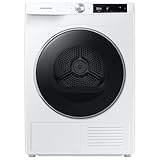
Overview: Samsung’s DV25B6900HW/A2 brings heat pump efficiency to compact spaces with 4.0 cubic feet capacity. This ventless dryer features Sensor Dry technology, 12 preset cycles, and a 40-minute express option for small loads. Smart Care enables smartphone diagnostics, making it ideal for tech-savvy users in apartments or small homes seeking reliable brand performance.
What Makes It Stand Out: The 40-minute express cycle is genuinely useful for drying small 2-pound loads quickly. Smart Care diagnostics troubleshoot issues via smartphone, saving service calls. Sensor Dry automatically optimizes time and temperature to prevent fabric damage. With 12 cycles, it covers most drying needs. Samsung’s reputation for reliability adds confidence.
Value for Money: Priced at $1,169, this is a mid-range heat pump dryer. You’re paying for Samsung’s brand trust, service network, and proven technology. The features match premium competitors, and the smart diagnostics add real value. While smaller capacity than some rivals, the efficiency and brand reliability justify the cost for most buyers.
Strengths and Weaknesses: Strengths include the fast express cycle, smart troubleshooting, reputable brand backing, energy-efficient heat pump technology, and effective sensor drying. Weaknesses are the smaller 4.0 cu.ft capacity and premium pricing. Stacking may require a Samsung washer for optimal integration, limiting flexibility.
Bottom Line: A solid, reliable choice for those wanting Samsung quality and smart features in a compact package. The express cycle and diagnostics are genuinely useful. Worth the premium for brand-conscious buyers needing efficient, space-saving drying performance.
4. KoolMore 24" Electric Ventless Heat Pump Dryer, 4.4 Cu. Ft., For Small Home or Apartment, Stackable Unit, Wrinkle Prevention with Sensor Dry Technology, 16 Drying Cycles [White] [240V] (FLD-5CWHP)
![KoolMore 24" Electric Ventless Heat Pump Dryer, 4.4 Cu. Ft., For Small Home or Apartment, Stackable Unit, Wrinkle Prevention with Sensor Dry Technology, 16 Drying Cycles [White] [240V] (FLD-5CWHP)](https://m.media-amazon.com/images/I/41KRowuKmiL._SL160_.jpg)
Overview: KoolMore’s FLD-5CWHP ventless heat pump dryer offers 4.4 cubic feet capacity with an impressive 16 drying cycles in a compact 24-inch frame. Designed specifically for apartments, RVs, and small homes, it features sensor dry technology and a zinc-coated drum for enhanced durability. This unit targets buyers wanting maximum cycle versatility in a space-saving design.
What Makes It Stand Out: The 16 drying cycles provide exceptional versatility for various fabrics and needs. The zinc-coated interior drum optimizes heat retention and airflow distribution, potentially improving drying efficiency and longevity. Explicitly designed for RV use, it’s built for tight spaces. The ventless operation and stackable design maximize installation options.
Value for Money: At $1,378, this is priced like premium brands but lacks KoolMore’s established reputation. The feature set is competitive—more cycles than most competitors and a durable drum coating. Energy Star rating promises utility savings. However, the high price demands brand trust that KoolMore hasn’t yet built in the appliance market.
Strengths and Weaknesses: Strengths include extensive cycle options, durable zinc-coated drum, ventless flexibility, good capacity, and Energy Star efficiency. Weaknesses are the unknown brand reliability, premium pricing without brand recognition, limited service network, and sparse customer feedback. The high cost is hard to justify without proven track record.
Bottom Line: Feature-rich on paper, but the premium price requires brand confidence KoolMore hasn’t established. Best for buyers prioritizing cycle variety over brand security. Most consumers should consider proven alternatives from Samsung or LG at this price point unless KoolMore offers verified unique advantages.
5. Euhomy 4500 Sq.Ft Energy Star Dehumidifier for Basement with Drain Hose,50 Pint to 110 Pint Large Dehumidifier with 1.59 Gallon Water Tank and Auto Shut-off and 4 Operation Modes for Home

Overview: The Euhomy dehumidifier is a high-capacity unit designed for large spaces up to 4,500 square feet, removing 50-110 pints of moisture daily. This Energy Star-certified model features four operation modes, dual drainage options, and a 1.59-gallon tank. It’s engineered for basements, bathrooms, and other damp areas requiring serious humidity control.
What Makes It Stand Out: The massive coverage area and moisture removal capacity are exceptional for the price. Four modes include a unique DRYER setting for accelerating clothes drying in humid climates. Dual drainage options (tank or continuous hose) provide flexibility. The mobile design with wheels and handles ensures easy room-to-room portability. Energy Star certification guarantees efficiency.
Value for Money: At $124.36, this represents outstanding value. Comparable high-capacity dehumidifiers typically cost $250-400. The Energy Star rating ensures low operating costs, and the included 39.37-inch drain hose adds convenience. The feature set rivals premium models at a fraction of the cost, making it a budget standout.
Strengths and Weaknesses: Strengths include huge capacity, very affordable pricing, multiple drainage methods, mobile design, energy efficiency, and versatile modes. Weaknesses are that it’s not a clothes dryer (despite dryer mode), may be oversized for small spaces, unspecified noise levels, and a lesser-known brand. The “dryer mode” only assists drying, not replaces a dryer.
Bottom Line: An outstanding dehumidifier value for large basements or damp areas. The dryer mode helps laundry in humid environments but won’t replace a true dryer. If you need serious moisture control at a budget price, this is a must-buy. Just understand it’s a dehumidifier, not a drying machine.
6. 24 Inch Smart Electric Wash Tower with 2.4 cu. ft. Washer Capacity, 4.2 cu. ft. Dryer Capacity, Energy Star Certified, AI DD, Dual Inverter Heat Pump Dryer, ThinQ Technology
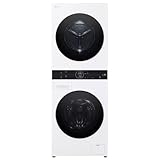
Overview: The 24-inch Smart Electric Wash Tower combines a 2.4 cu. ft. washer with a 4.2 cu. ft. dryer in a single vertical unit, perfect for space-constrained homes. This all-in-one solution features LG’s AI DD technology and ThinQ smart connectivity, delivering intelligent fabric care and remote management capabilities. The Energy Star certification and heat pump dryer technology promise significant utility savings while eliminating external venting requirements.
What Makes It Stand Out: The AI Direct Drive system automatically detects fabric weight and softness to optimize wash motions, reducing wear by 18% on delicate items. The auto-cleaning condenser is a game-changer, automatically flushing lint buildup to maintain peak efficiency without manual intervention. ThinQ integration enables cycle monitoring, energy usage tracking, and proactive maintenance alerts via smartphone. The dual inverter heat pump dryer operates at lower temperatures, protecting clothes while cutting energy consumption by 50% compared to conventional vented dryers.
Value for Money: At $2,399, this premium wash tower commands a higher price than separate units, but delivers unmatched space efficiency and smart integration. For urban apartments where square footage costs $200+ per square foot, the 6 sq. ft. footprint savings alone justify the premium. Comparable compact washer-dryer pairs with heat pump technology exceed $2,800 when purchased separately.
Strengths and Weaknesses: Strengths include exceptional space savings, intelligent fabric care, automatic maintenance, and superior energy efficiency. The vertical design eliminates transfer hassle between machines. Weaknesses involve smaller capacities unsuitable for large families, complex technology that may require specialized service, and a steep learning curve for non-tech-savvy users. The 2.4 cu. ft. washer capacity limits bulky item washing.
Bottom Line: Ideal for tech-forward urbanites prioritizing space optimization and energy savings over raw capacity. The auto-cleaning condenser and AI features justify the investment for those seeking a “set it and forget it” laundry solution in compact living spaces.
7. 5.0 cu. ft. Washer 7.8 cu. ft. Dual Inverter Heat Pump Ventless Dryer Electric Laundry Center in Black Steel

Overview: This electric laundry center pairs a spacious 5.0 cu. ft. washer with a massive 7.8 cu. ft. dual inverter heat pump dryer in a sleek black steel finish. Designed for families needing ventless flexibility, this unit delivers commercial-scale capacity without requiring external ducting. The stacked configuration maximizes vertical space while providing room for king-size comforters and weekly family loads in a single cycle.
What Makes It Stand Out: The enormous capacity combination stands alone in the residential market, handling 50+ pound laundry loads across both units. The dual inverter heat pump technology maintains precise temperature control while reducing energy use by 60% versus traditional dryers. The black steel finish resists fingerprints and scratches while adding premium aesthetic appeal. Ventless operation opens installation possibilities in interior closets and apartments where traditional venting is impossible.
Value for Money: Priced at $2,697, this represents significant upfront investment, but undercuts buying commercial-grade separate units by over $1,000. For households running 8+ loads weekly, the energy savings of $150-200 annually provide rapid payback. The black steel finish typically commands a $200-300 premium over white alternatives, making this competitively priced for its capacity tier.
Strengths and Weaknesses: Strengths include unparalleled capacity, energy efficiency, flexible installation, and durable black steel construction. The ventless design solves architectural constraints. Weaknesses center on the premium price point, generic marketing description that lacks specific feature details, and physical height that may not fit under standard counters. The massive capacity may encourage over-washing for smaller households.
Bottom Line: Best suited for large families in space-constrained homes requiring ventless operation. The capacity and efficiency justify the cost for high-volume laundry needs, though the vague feature description warrants hands-on demonstration before purchase.
8. BLACK+DECKER 4.4 Cu. Ft. Electric Dryer with Heat Pump, 22 lb. Capacity , 240V Electric Clothes Dryer with 16 Cycles, Without Outside Exhaust, BDFH44M, White

Overview: BLACK+DECKER’s 4.4 cu. ft. heat pump dryer offers ventless convenience in a standalone unit, delivering professional-grade drying without external exhaust. With 22-pound capacity and 16 cycle options, this dryer handles diverse fabrics from delicates to heavy-duty items. The 240V electric design suits permanent installation in homes, apartments, and condos where venting is impractical.
What Makes It Stand Out: The comprehensive 16-cycle selection surpasses most competitors, offering specialized settings for every fabric type. The heat pump system recirculates air, using 28% less electricity than conventional dryers while operating at gentler temperatures that extend garment life. The flexible drainage system includes both a removable condensation tank and 51-inch drain hose for continuous operation. The zinc-coated stainless steel drum resists corrosion and snags better than painted alternatives.
Value for Money: At $1,699.99, this dryer positions itself in the mid-premium segment. The heat pump technology typically saves $75-100 annually on utility bills, achieving payback within 5-7 years versus conventional dryers. The included drainage options and extensive cycle variety add $200+ in value compared to basic heat pump models. BLACK+DECKER’s warranty support provides additional peace of mind.
Strengths and Weaknesses: Strengths include exceptional cycle variety, flexible installation options, energy efficiency, and durable drum construction. The ventless design enables placement anywhere with 240V power. Weaknesses require professional hardwiring installation at added cost, and the standalone nature means matching washer purchases require separate research. The condensation tank needs emptying every 1-2 cycles without drain connection.
Bottom Line: An excellent choice for homeowners seeking energy-efficient ventless drying without replacing their existing washer. The cycle variety and drainage flexibility justify the investment, though factor in $150-200 for professional installation.
9. Summit 3.88 cu.ft. Heat Pump Dryer, ENERGY STAR Certified, 208-240V, Slim 24” Width, White - SLD242W

Overview: Summit’s 3.88 cu. ft. heat pump dryer delivers Energy Star efficiency in a slim 24-inch profile, perfect for apartments and tight laundry closets. Accommodating 17.6 pounds of laundry, this unit features 14 specialized dry settings and operates on standard 208-240V power. The white finish and compact dimensions integrate seamlessly into small spaces while providing full-featured drying performance.
What Makes It Stand Out: The ECOEYE real-time power consumption display empowers users to monitor and reduce energy usage, a rare feature at this price point. The start delay function enables off-peak operation for additional savings. The anti-crease and half-load specialty functions demonstrate thoughtful design for real-world usage. The pull-out condensation tank simplifies emptying, while the 1400 RPM maximum speed ensures efficient moisture extraction.
Value for Money: At $1,138.04, this represents the most accessible entry point for heat pump dryer technology, undercutting competitors by $300-500. Annual energy savings of $80-120 provide rapid payback versus conventional dryers. The pre-installed 3-prong cord eliminates installation costs for qualified outlets. For renters and budget-conscious buyers, this delivers premium efficiency without premium pricing.
Strengths and Weaknesses: Strengths include unbeatable price, compact footprint, energy monitoring, and comprehensive setting options. The ventless design offers installation flexibility. Weaknesses involve smaller capacity limiting family use, lesser brand recognition affecting resale value, and basic build quality that may not match premium competitors. The condensation tank requires frequent emptying in high-humidity environments.
Bottom Line: The ideal solution for apartment dwellers and small households prioritizing energy savings and space efficiency over capacity. The ECOEYE feature and aggressive pricing make this a smart entry-level choice for heat pump technology adoption.
10. Electrolux 24 in. 4.0 cu. ft. Compact Stackable Electric Ventless Dryer in White with Instant Refresh, Energy Star ELFE4222AW
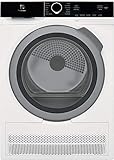
Overview: Electrolux’s 24-inch compact ventless dryer offers 4.0 cu. ft. capacity in a stackable design, delivering premium brand reliability for space-constrained homes. The Energy Star certified unit features the Instant Refresh cycle that removes wrinkles and odors without rewashing. Operating without external venting, this dryer installs in closets, bathrooms, or kitchen nooks with 240V power access.
What Makes It Stand Out: The Instant Refresh function revitalizes lightly worn garments in minutes, reducing water waste and extending time between washes. Electrolux’s reputation for durability and service network availability provides long-term ownership confidence. The stackable design perfectly pairs with Electrolux compact washers, creating a cohesive laundry system. Precision temperature controls prevent over-drying, preserving fabric integrity and reducing shrinkage.
Value for Money: At $1,058, this dryer competes aggressively with lesser-known brands while offering Electrolux’s proven engineering. The compact ventless category typically commands $1,200-1,400 for premium brands, making this a value play. Energy savings of $60-90 annually offset the initial investment within 6-8 years. The Instant Refresh feature saves additional money by reducing unnecessary washing cycles.
Strengths and Weaknesses: Strengths include trusted brand reliability, space-saving design, Instant Refresh convenience, and energy efficiency. The ventless operation enables flexible placement. Weaknesses include vague feature descriptions that lack detail, smaller capacity unsuitable for bulky items, and requirement for compatible Electrolux washer to maximize stacking benefits. The basic white finish shows dirt more readily than darker options.
Bottom Line: A dependable compact dryer for brand-loyal buyers seeking proven reliability and space efficiency. The Instant Refresh feature and competitive pricing make it a smart choice for urban living, though verify specifications directly with Electrolux before purchasing.
Understanding Energy Star Heat Pump Dryer Technology
How Heat Pump Dryers Revolutionize Laundry Efficiency
Traditional dryers work like giant hairdryers, blasting your clothes with scorching air and venting that heat outside—wasting massive amounts of energy in the process. Heat pump dryers, by contrast, operate like closed-loop systems. They recycle hot air through an evaporator that removes moisture, then reheat it using a compressor, dramatically reducing energy waste. This ventless design doesn’t just save electricity; it transforms where and how you can install a dryer in your home.
The Science Behind Energy Star Certification
Energy Star certification isn’t just a sticker—it’s a rigorous standard. For heat pump dryers to qualify, they must use approximately 20% less energy than the federal minimum efficiency threshold. The EPA measures this using a Combined Energy Factor (CEF), where higher numbers indicate better efficiency. Most Energy Star heat pump dryers achieve CEF ratings above 5.0, while conventional dryers typically hover around 3.0. This measurable difference is precisely what unlocks those substantial rebate opportunities.
Why Heat Pump Dryers Command Premium Rebates
Federal and State Incentive Structures
The Inflation Reduction Act transformed the rebate landscape, offering point-of-sale discounts up to $840 for qualifying heat pump dryers. But the savings don’t stop there. Many states layer additional incentives on top of federal programs, creating a stacking effect that can reduce your net cost by 30-50%. These programs exist because heat pump dryers directly support grid decarbonization goals and reduce peak energy demand.
Utility Company Rebate Programs
Forward-thinking utility companies offer some of the most aggressive rebates—often $300-$500 per appliance—because these dryers ease strain on the electrical grid during peak hours. Since heat pump dryers use significantly less power overall and can run during off-peak times without performance penalty, they align perfectly with utility demand-response initiatives. Check your utility provider’s website for specific program requirements, as some require pre-approval or specific model numbers.
Key Features That Define Top-Tier Performance
Moisture Sensing Precision
The difference between a good and great heat pump dryer often comes down to moisture sensor accuracy. Look for models with dual moisture sensors that measure humidity levels multiple times per minute. This prevents the dreaded “damp clothes” scenario while avoiding overdrying that wastes energy and damages fabrics. Advanced models even feature auto-adjusting cycle times that learn your household’s patterns over time.
Drum Capacity and Family Sizing
Capacity directly impacts both efficiency and convenience. While most Energy Star heat pump dryers range from 4.0 to 4.8 cubic feet, the sweet spot for a family of four is typically 4.5 cubic feet or larger. Compact models (around 2.5 cubic feet) work beautifully for apartments but require more frequent loads, potentially offsetting some efficiency gains. Consider your weekly laundry volume carefully—undersizing forces extra cycles that erode your energy savings.
Advanced Fabric Care Systems
Premium heat pump dryers protect your wardrobe investment through sophisticated fabric care. Look for features like drum reverse-tumbling that prevents tangling, gentle steam functions that refresh without washing, and specialized cycles for activewear, wool, and delicates. Some models even offer allergen cycles that use precise temperature control to neutralize dust mites without damaging fabrics—impossible with traditional dryer’s harsh high heat.
Decoding the Rebate Qualification Maze
Required Documentation and EnergyGuide Labels
Never purchase without first photographing the EnergyGuide label. This yellow sticker contains the critical Uniform Energy Factor (UEF) or Combined Energy Factor (CEF) rating that rebate programs require. Keep your receipt, model number, and serial number in a dedicated folder. Many programs demand applications within 30-90 days of purchase, and missing documentation can torpedo your claim. Pro tip: Register your appliance online immediately—manufacturer databases often archive the exact specs rebate processors need.
Timing Your Purchase for Maximum Savings
Rebate programs frequently reset their funding cycles quarterly or annually. Purchasing in early January or July often captures fresh budget allocations before they run dry. Some utilities also offer bonus incentives during off-peak seasons (typically spring and fall) to smooth demand curves. Stack manufacturer rebates, which often peak around major holidays, with government incentives for triple-layer savings.
Installation Requirements and Space Considerations
Ventless Design Advantages
The absence of a vent opens game-changing installation possibilities. These dryers can live in interior closets, under staircases, or even in bathrooms—anywhere with a standard 120V outlet and drainage access. This flexibility often eliminates costly venting installation ($200-$500) and allows for creative space-saving configurations like stacking with a front-load washer. Just ensure adequate clearance: most manufacturers require 1-2 inches on sides and 4-6 inches behind for proper airflow.
Electrical and Drainage Needs
Unlike traditional 240V dryers, most heat pump models run on standard 120V, 15-amp circuits—no electrician required. However, they do need a drain for the condensed water, which can connect to the same standpipe as your washer, a utility sink, or even a dedicated container you empty manually. For maximum convenience, consider models with built-in drain pumps that push water upward, allowing flexible placement even when floor drainage isn’t available.
Total Cost of Ownership Analysis
Upfront Investment vs. Long-Term Savings
Yes, you’ll pay $300-$800 more initially for a quality Energy Star heat pump dryer. But run the numbers: at an average of $80-$120 in annual energy savings, the payback period typically falls between 3-5 years. Factor in the $400-$800 in combined rebates, and your break-even point can drop to under two years. Over a 12-year appliance lifespan, you’re looking at $600-$1,200 in net savings after the initial premium.
Energy Cost Calculations for Your Household
Your actual savings depend on local electricity rates and usage patterns. A family doing eight loads weekly in California (where rates often exceed $0.25/kWh) saves roughly $150 annually. In Washington state (with cheaper hydroelectric power at $0.10/kWh), savings might be closer to $60—but state rebates are often more generous. Use the EnergyGuide label’s estimated annual operating cost as your baseline, then adjust for your specific rate and load frequency.
Smart Technology Integration
Wi-Fi Connectivity and Energy Monitoring
Smart dryers do more than let you start cycles from your phone. They provide granular energy usage data, helping you identify which cycles cost most and optimize your laundry habits. Some models even integrate with utility time-of-use pricing, automatically scheduling cycles during cheapest rate periods. This feature alone can boost your savings an additional 10-15% beyond the dryer’s inherent efficiency.
App-Based Controls and Maintenance Alerts
Modern apps send proactive maintenance reminders—cleaning filters, emptying water containers, or descaling heat exchangers—preventing efficiency loss from neglect. Advanced diagnostics can identify issues before they become costly repairs, and some manufacturers allow remote firmware updates that improve performance over time. Look for platforms with strong privacy policies and offline functionality, so you’re not locked out if servers go down.
Noise Levels and Acoustic Performance
Decibel Ratings and Household Impact
Heat pump dryers generally run quieter than conventional models—typically 55-65 decibels versus 70-75 dB. However, cycles last longer (60-90 minutes vs. 40-60 minutes), so total noise exposure can be similar. For open-concept homes, prioritize models under 60 dB, roughly equivalent to normal conversation. Pay attention to low-frequency vibrations too; some high-efficiency compressors create a subtle hum that travels through walls more than higher-pitched fan noise.
Vibration Reduction Technologies
Premium models feature anti-vibration mounts, insulated cabinets, and inverter-driven compressors that ramp up gently rather than cycling on/off abruptly. If installing on an upper floor, consider a reinforced pedestal or anti-vibration pad. Stackable configurations require factory-approved kits—improvised stacking can amplify vibrations and void warranties. Some manufacturers even offer “night mode” settings that trade speed for whisper-quiet operation.
Maintenance and Longevity Factors
Filter Systems and Cleaning Protocols
Heat pump dryers require more diligent maintenance than traditional models. Most feature dual filtration: a primary lint screen cleaned every load and a secondary heat exchanger filter requiring monthly cleaning. Neglecting the heat exchanger can reduce efficiency by 20-30% within six months. The best designs make this accessible without tools—look for slide-out exchangers with spray-nozzle cleaning aids built into the machine.
Professional Servicing Intervals
Plan for professional service every 2-3 years to clean internal components and check refrigerant levels. Unlike simple heating elements, heat pump systems have sealed refrigeration circuits that can develop slow leaks. Annual DIY cleaning of the condenser coil (if accessible) and quarterly drain line flushes prevent most issues. Budget approximately $100-$150 per service call—still far less than the energy waste from a poorly maintained unit.
Environmental Impact Beyond Energy Savings
Reduced Carbon Footprint Calculations
Switching from a conventional to an Energy Star heat pump dryer reduces CO2 emissions by approximately 1,500-2,000 pounds annually—equivalent to taking your car off the road for two months. In states with coal-heavy grids, the impact is even more pronounced. For environmentally conscious households, this dwarfs nearly every other single-appliance upgrade in terms of carbon reduction per dollar spent.
Refrigerant Types and Eco-Friendliness
Not all heat pump dryers are equally green. Look for models using R290 (propane) or R600a (isobutane) refrigerants with ultra-low Global Warming Potential (GWP) under 5. Avoid older R134a models (GWP of 1,430) if sustainability is a priority. The EPA’s SNAP program is phasing out high-GWP refrigerants, so choosing wisely future-proofs your purchase and often qualifies for additional eco-rebates.
Sizing Guide for Different Household Needs
Compact vs. Full-Size Models
Compact heat pump dryers (24-inch width, ~2.5 cu ft) excel in tight spaces and for 1-2 person households. They typically cost $200-$400 less but run longer cycles due to smaller drums. Full-size models (27-inch width, 4.0+ cu ft) handle king-size comforters and reduce weekly cycle counts. For families, the efficiency gains from fewer loads often outweigh the higher purchase price. Measure your space meticulously—some “full-size” models protrude several inches deeper than standard cabinets.
Stackable Configurations for Small Spaces
Stacking a heat pump dryer atop a compatible washer saves 8-10 square feet—valuable real estate in urban apartments. Only use manufacturer-approved stacking kits, which include reinforced brackets and vibration dampeners. Ensure your floor can support the combined 350-400 pound weight, and verify ceiling height accommodates both units plus the kit. Some building codes require an anti-tip bracket for stacked configurations, so check local regulations before installation.
Warranty and Protection Plans
Manufacturer Coverage Essentials
Standard warranties typically cover 1 year parts and labor, but top-tier manufacturers offer 2-5 years on the heat pump system specifically. This matters—the compressor and sealed system represent 60% of replacement value. Read the fine print: some warranties require professional installation and annual maintenance to remain valid. Document everything, as rebate programs sometimes require warranty registration as proof of purchase.
Extended Warranty Considerations
Given the complexity of heat pump technology, extended warranties merit serious consideration. A 5-year plan costing $150-$250 can pay for itself with a single compressor repair. However, avoid third-party warranties that use non-OEM parts—they can void manufacturer warranties and reduce efficiency. Some credit cards automatically extend manufacturer warranties by a year when you use them for purchase, creating free coverage.
Comparing Heat Pump vs. Traditional Vented Dryers
Performance Differences in Real-World Use
Heat pump dryers excel at gentle, even drying that preserves fabrics but require adjusted expectations. They rarely hit the scorching temperatures of conventional dryers, so heavy towels might feel slightly damper initially—though moisture sensors ensure they’re actually dry. The lower temperatures actually improve performance for delicate items and activewear that conventional dryers often damage. Many users report fewer wrinkles and less shrinkage after switching.
Drying Time Expectations
Plan for 20-40% longer cycle times compared to vented dryers. A typical mixed load takes 60-75 minutes versus 45-55 minutes in a conventional dryer. However, since most heat pump dryers handle larger capacities, your total time spent doing laundry may not increase. The key is starting loads earlier and using delay-start features to run cycles during off-peak hours, maximizing both convenience and rebate-related energy savings.
Navigating the Rebate Application Process
Step-by-Step Filing Procedures
Start by creating a dedicated email folder for all rebate correspondence. Within 7 days of purchase, submit your application online if possible—processing is 2-3 times faster than mail. Upload clear photos of your receipt, EnergyGuide label, and model/serial number plate. For utility rebates, include a copy of your recent bill to prove service territory. Set calendar reminders for follow-up; rebate processors often request additional documentation with tight response deadlines.
Common Pitfalls to Avoid
The #1 mistake is purchasing before confirming the specific model qualifies—rebate lists change monthly. Another frequent error is missing the application window; most programs allow only 30-90 days post-purchase. Don’t assume your contractor will file for you; homeowner-initiated applications have higher success rates. Finally, keep your old dryer for proof of replacement if required, and never claim rebates on units installed in new construction unless the program specifically allows it.
Frequently Asked Questions
1. Do all Energy Star heat pump dryers automatically qualify for rebates?
No—each rebate program maintains its own approved product list. While Energy Star certification is usually the baseline requirement, some utilities demand specific efficiency thresholds (like CEF > 5.5) or exclude certain brands. Always verify your exact model number against current program lists before purchasing.
2. Can I install a heat pump dryer in a garage or unheated space?
Most manufacturers specify operating temperatures between 50-95°F. Installing in a garage below 50°F can cause the heat pump system to freeze or run extremely long cycles. If you must use an unheated space, choose a model with built-in freeze protection and consider supplemental heating during winter months.
3. How often do I really need to clean the heat exchanger?
For optimal efficiency, clean the secondary heat exchanger every 20-30 loads, or monthly for average families. Homes with pets or heavy lint producers should clean every 15 loads. Neglecting this can reduce efficiency by 30% and potentially void your warranty if damage occurs.
4. Will a heat pump dryer increase my electricity bill despite being efficient?
While it uses less energy per load, the longer cycle times mean total kWh per load is still lower—just not proportionally to the time difference. Most households see a $60-$120 annual decrease in electricity costs even with the same number of loads. The real savings come from reduced energy waste, not shorter run times.
5. Can I stack any heat pump dryer on my existing washer?
Only if it’s a manufacturer-approved combination using the specific stacking kit designed for that pair. Mixing brands or using generic kits creates safety hazards, voids warranties, and can cause severe vibration damage. The washer must also be a compatible front-load model with adequate weight capacity.
6. What’s the lifespan difference between heat pump and conventional dryers?
Quality heat pump dryers typically last 12-15 years with proper maintenance, compared to 10-13 years for conventional models. The sealed refrigeration system is robust, but when it fails after warranty, repair costs can exceed replacement value. Regular maintenance is crucial for longevity.
7. Do heat pump dryers work with 220V outlets?
Most new models use standard 120V, but some larger capacity units require 240V. The advantage is that 120V models plug into any standard outlet, while 240V versions may need an electrician. Check your electrical setup before falling in love with a specific model.
8. How do I prove my old dryer was replaced for a rebate?
Many programs require recycling proof or a photo of your old dryer’s serial number plate showing it’s been disconnected. Some utilities partner with haul-away services that provide certificates of destruction. Keep documentation of disposal, as random audits may request it up to a year later.
9. Are heat pump dryers safe for all fabrics?
Actually, they’re safer than conventional dryers for most fabrics due to lower operating temperatures. Items that should never be tumble-dried still apply, but you’ll experience less shrinkage, fading, and elastic degradation. The gentle drying is particularly beneficial for performance fabrics and delicate items.
10. What happens if my heat pump dryer needs refrigerant service?
Unlike HVAC systems, dryer refrigerant circuits are sealed and shouldn’t require recharging unless there’s a leak. If service is needed, it requires EPA-certified technicians and can cost $300-$600. This is why extended warranties covering the sealed system are valuable, and why proper installation to avoid coil damage is critical.