Imagine trying to squeeze a full laundry cycle into your studio apartment’s closet-sized utility nook, or wrestling with hauling baskets of clothes to a distant communal laundry room every single week. For millions living in urban lofts, converted spaces, tiny homes, or simply constrained by limited square footage, the dream of convenient, in-unit laundry often feels perpetually out of reach. Traditional separate units devour valuable real estate, turning the simple chore of washing clothes into a logistical nightmare. But what if the solution wasn’t compromise, but consolidation? Enter the compact washer dryer combo – a single, space-savvy appliance engineered to tackle the entire laundry process without demanding a dedicated room.
These ingenious all-in-one units represent a significant evolution in home appliance design, directly responding to the modern reality of smaller living spaces and a growing desire for streamlined, efficient home management. No longer relegated to the realm of underpowered, frustrating novelties, today’s advanced models deliver surprisingly capable performance within remarkably compact footprints. Understanding the right features and considerations for your specific situation is the crucial first step to transforming that cramped corner into a functional, time-saving laundry hub. Forget wrestling with schedules or hauling heavy loads; the key to effortless in-unit laundry in tight quarters lies in choosing a combo unit intelligently designed for your reality.
Top 10 Compact Washer Dryer Combos
Detailed Product Reviews
1. Midea 24 Inch All-in-One Front Load Washer Dryer Combo, 2.7 Cu.ft 26lbs Ventless Full-Automatic Washing Machine with Steam Care, Overnight Dry, 1400 RPM 16 Wash Cycles, White

Overview:
This ventless all-in-one washer-dryer combo targets space-constrained households, offering 2.7 cu.ft. capacity for families of 3-4. It eliminates laundry transfers with integrated washing and drying cycles, operating on a standard 120V outlet without venting requirements.
What Makes It Stand Out:
The standout features are its Steam Care function for deep sanitization and wrinkle reduction, and the Overnight Wash & Dry cycle delivering fresh clothes by morning. The BLDC inverter motor (10-year warranty) ensures quiet, energy-efficient operation while passing DOE efficiency tests. Reload functionality adds practical flexibility mid-cycle.
Value for Money:
Priced competitively for ventless combos, it justifies cost through energy savings, space optimization in apartments/RVs, and robust build quality. While upfront cost exceeds basic units, long-term utility savings and the elimination of separate washer/dryer purchases enhance its value proposition versus alternatives.
Strengths and Weaknesses:
Strengths: Excellent energy efficiency; versatile 16-cycle programming; steam sanitization; space-saving design; reliable overnight drying. Weaknesses: Drying capacity (13lbs) is half washing capacity (26lbs); requires transport bolt removal; 6-hour wash/dry cycle may feel slow for urgent needs.
Bottom Line:
Ideal for urban dwellers prioritizing space and convenience, this combo delivers reliable, efficient performance. Despite modest drying limitations, its steam care and overnight cycle make it a top recommendation for small households seeking a true all-in-one solution.
2. COMFEE’ 24" Washer and Dryer Combo 2.7 cu.ft 26lbs Washing Machine Steam Care, Overnight Dry, No Shaking Front Load Full-Automatic Machine, Dorm White
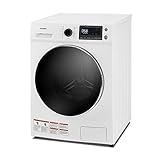
Overview:
COMFEE’ offers a ventless 2.7 cu.ft. washer-dryer combo designed for compact living, merging washing and drying into one cycle. It targets dorms, apartments, and RVs with its 120V plug-and-play setup and no-venting requirement, emphasizing wrinkle reduction and health-conscious cleaning.
What Makes It Stand Out:
Its 30-minute Steam Care cycle deeply penetrates fabrics to eliminate odors, dust, and wrinkles—uncommon at this price point. The Overnight Wash & Dry function ensures ready-to-wear clothes next morning, while the wool-specific setting caters to delicate fabrics often neglected in compact units.
Value for Money:
Competitively priced against Midea, it offers comparable core functionality but slightly less refined drying. The steam health benefits and specialized cycles provide tangible value for allergy sufferers or those prioritizing garment care, though drying capacity (13lbs vs. 26lbs wash) remains a constraint.
Strengths and Weaknesses:
Strengths: Effective steam wrinkle/odor reduction; quiet inverter motor; child lock and delay start enhance usability; compact footprint. Weaknesses: Drying efficiency lags behind wash performance; transport bolt removal is mandatory but poorly emphasized; fewer drying options than competitors.
Bottom Line:
A strong budget-friendly choice for students or small-space dwellers needing gentle fabric care. While drying power isn’t class-leading, its steam functionality and overnight convenience deliver solid value for everyday laundry needs.
3. DOGHLY Portable Washer and Dryer Combo Set, 17Lbs Full-Automatic Washing Machine and 1.8 Cu.Ft Portable Clothes Dryer, Compact Washer and Dryer with Stainless Steel Inner Tub, for Apt, Dorm, Home

Overview:
This two-piece portable set includes a standalone 17lbs washer and 1.8 cu.ft. dryer, designed for ultra-compact spaces. Unlike all-in-ones, it requires manual transfer but offers higher drying flexibility and stainless steel durability, targeting renters and RV users needing modular solutions.
What Makes It Stand Out:
The set’s portability and optional wall-mountable dryer are unique. The washer’s diamond-textured drum minimizes fabric damage, while the dryer’s multi-filtration system tackles pet hair—rare in portables. The 26-minute quick wash and 140°F drying heat enable same-day laundry even in rain.
Value for Money:
Priced lower than ventless combos, it excels for those prioritizing drying speed and portability over all-in-one convenience. The stainless steel construction justifies cost versus plastic competitors, though frequent manual transfers may offset time savings for some users.
Strengths and Weaknesses:
Strengths: True portability; robust stainless steel tubs; effective lint/pet hair filtration; quick cycles; wall-mount option. Weaknesses: Requires manual load transfer; dryer limited to 5.5lbs for optimal results; less energy-efficient than ventless combos.
Bottom Line:
Best for temporary setups (dorms, RVs) where space is fluid and drying speed is critical. Its durability and modularity outshine integrated combos for mobile users, despite the trade-off of manual handling.
4. HAMILTON BEACH Washer and Dryer Combo 2.7 cu ft - White

Overview:
Hamilton Beach’s 2.7 cu.ft. ventless combo emphasizes simplicity and quiet operation, targeting noise-sensitive environments like shared homes. With a focus on compactness (23.1" x 23.4"), it offers basic wash/dry functionality but lacks advanced features like steam cleaning found in rivals.
What Makes It Stand Out:
Its standout trait is ultra-quiet operation (<60 dB), ideal for households with shift workers or infants. The largest DOE capacity in its size class and delay-start programming add practical value, though the feature set remains comparatively basic.
Value for Money:
Positioned as an entry-level option, it undercuts premium brands on price. However, the absence of steam sanitization or specialized cycles limits its appeal versus similarly priced COMFEE’/Midea units, making it suitable only for budget-focused buyers with minimal laundry demands.
Strengths and Weaknesses:
Strengths: Exceptionally quiet; largest capacity in 24" class; straightforward controls; delay start; compact size. Weaknesses: No steam function; limited drying options (only 4); basic digital display; less energy-efficient than inverter-motor competitors.
Bottom Line:
A functional but unspectacular choice for quiet, space-saving laundry in low-demand scenarios. Recommended only for those prioritizing noise reduction above all else—otherwise, competitors offer better feature density.
5. Pataku Portable Washing Machine, 17.6 Lbs Compact Mini Washer and Dryer Combo,Twin Tub Laundry Washer with Spin Cycle, Soaking Function Ideal for Apartment, Dorms, RVs Camping, Grey

Overview:
Pataku’s twin-tub design separates washing and spinning functions into dual basins—a budget-friendly mechanical system requiring manual intervention. With 11lbs wash/6.6lbs spin capacity, it targets extreme space limitations (dorms, camping) where electrical simplicity is key.
What Makes It Stand Out:
The twin-tub system avoids complex electronics, using simple timers for washing (15-min max) and spinning (5-min). The soaking function (0-20 min) pre-treats stains, while its lightweight portability suits temporary setups. Drainage is manual via included hose.
Value for Money:
The lowest-cost option reviewed, it’s ideal for infrequent use or as a secondary unit. Savings come at the expense of automation—no drying cycle, minimal water temperature control—but it excels for hand-wash avoidance in tight budgets.
Strengths and Weaknesses:
Strengths: Extremely affordable; simple mechanical operation; lightweight/portable; soaking function; low energy/water use. Weaknesses: No integrated drying; manual water filling/drainage; small capacity; noisy spin cycle; not fully automatic.
Bottom Line:
Perfect for students or campers needing basic washing without installation. Not a true dryer combo, but a pragmatic solution for those seeking minimalism and cost savings over convenience. Avoid for primary laundry needs.
6. ROVSUN 25LBS Portable Washing Machine, Full-Automatic Electric Laundry Machine with Stainless Steel Drum, Compact Washer and Spin Dryer Combo with Drain Pump for Home, Apartment

Overview:
This all-in-one portable unit merges a 25lb-capacity washer and spin dryer in a compact footprint (22.24" x 22.40" x 35.94"), targeting apartment dwellers and space-constrained households. Its stainless steel drum and integrated drain pump eliminate manual water removal, streamlining laundry in small settings without venting requirements.
What Makes It Stand Out:
The diamond-patterned drum reduces fabric wear while boosting cleaning efficiency, and the 10 wash modes with 5 water levels accommodate everything from delicates to heavy fabrics. The 26-minute quick wash and self-cleaning tub are standout features, alongside the child lock and adjustable feet for safety and stability in tight spaces.
Value for Money:
Priced competitively for a single-unit combo, it undercuts full-sized appliances while offering robust capacity. Though heavier (54.81lbs) than some portables, the drain pump and versatile cycles justify the cost versus manual-drain alternatives, especially for frequent use in homes with 1–2 people.
Strengths and Weaknesses:
Strengths: Excellent capacity for size; intuitive controls; effective spin-dry function; durable stainless steel build. Weaknesses: Bulky weight complicates relocation; no true heat-dry cycle (only spin); limited suitability for large families due to 25lb max load.
Bottom Line:
Ideal for singles or couples needing a space-efficient, no-vent solution with strong washing performance. Avoid if you require full drying capability or frequent large loads; otherwise, it delivers exceptional convenience for its class.
7. ROVSUN 17.8LBS Full Automatic Washing Machine and 1.5CuFt Portable Clothes Dryer Set, Compact Laundry Washer and Dryer Combo Set with Stainless Steel Inner Tub, for Apartment, Dorms, Home

Overview:
This separate washer-dryer duo (17.8lb washer + 10lb dryer) caters to compact living with space-saving dimensions and seamless workflow. Designed for apartments or RVs, it enables same-day laundry via coordinated spin-drying and dedicated heat drying, eliminating晾晒 dependence.
What Makes It Stand Out:
The washer’s diamond drum minimizes fabric damage, while the dryer’s 850W heating (140°F) and multi-filtration system tackle pet hair and odors. Wall-mountable dryer, 8 washer programs, and a 26-minute quick wash enhance flexibility. The set excels in rain-ready performance—critical for humid climates.
Value for Money:
Slightly pricier than single-unit combos, but the dedicated dryer (with true heat drying) justifies the investment. Energy-efficient operation and reduced drying times lower long-term costs versus vented systems, making it cost-effective for frequent laundry in studios or small homes.
Strengths and Weaknesses:
Strengths: Superior drying capability; wall-mount option saves floor space; gentle fabric care; efficient quick cycles. Weaknesses: Dryer capacity limited to 5.5lbs for optimal speed; setup requires transferring clothes between units; not ideal for bulky items like bedding.
Bottom Line:
A top pick for those prioritizing complete drying performance in tight spaces. Best for individuals or couples with moderate laundry needs—avoid for large families but choose for reliability and rain-proof convenience.
8. Washer and Dryer Combo, 3.1 cu.ft, 120V All In One Ventless Compact 24 Inch Large Capacity, Lavadora y Secadora 2 in 1 for RV Apartment Home, Child lock, Full-Automatic, Overnight Wash and Dry

Overview:
This ventless 3.1 cu.ft all-in-one combo delivers large capacity in a compact 24-inch footprint (23.4” x 23.1” x 33.5”), targeting families of 2–3 in apartments or RVs. Its heat pump technology enables energy-efficient washing and drying without external venting, supporting overnight cycles.
What Makes It Stand Out:
The heat pump system reuses heat for 30% lower energy use (UL Energy Verified), while temperature sensing (<120°F) protects delicate fabrics. Sixteen specialized programs—including baby wear and wool—plus ventless operation offer unmatched versatility for sensitive materials and constrained installations.
Value for Money:
Higher upfront cost is offset by significant utility savings and large capacity. Beats single-unit competitors in eco-efficiency and fabric care, though drying times may exceed separate dryers. Ideal for eco-conscious users seeking long-term savings in small households.
Strengths and Weaknesses:
Strengths: Excellent energy efficiency; gentle drying for delicates; spacious tub; versatile program selection; no venting needed. Weaknesses: Longer drying cycles (heat pump trade-off); basic knob controls lack digital precision; capacity still limited for 4+ person households.
Bottom Line:
A stellar eco-friendly choice for small families needing gentle, ventless laundry. Worth the premium if energy savings and fabric care are priorities—opt for this over conventional combos for sustainability-focused homes.
9. Giantex Portable Washing Machine, Full Automatic Washer and Dryer Combo, with Built-in Pump Drain 8 LBS Capacity Compact Laundry Washer Spin Dryer for Apartment RV Dorm
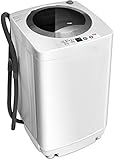
Overview:
This ultra-compact 8lb-capacity combo targets minimal-space users (dorms, RVs) with straightforward operation. At just 8lbs wash capacity, it prioritizes portability over volume, featuring a honeycomb drum and built-in drain pump for easy setup in bathrooms or closets.
What Makes It Stand Out:
The lightweight design (easy to move) and 6-program simplicity—wash-rinse-spin, soak cycles—cater to beginners. The L/M/H water level settings (16L–30L) optimize water use, while the drain pump eliminates bucket-emptying hassles, appealing to renters with limited utility access.
Value for Money:
Budget-friendly but capacity-limited. It undercuts larger models but suits only 1–2 people with light laundry (e.g., underwear, gym clothes). For occasional use, it’s cost-effective; frequent users will outgrow it quickly versus higher-capacity rivals.
Strengths and Weaknesses:
Strengths: Extremely portable; simple operation; affordable; effective drain pump; clear instructions. Weaknesses: Very low 8lb capacity; no true drying (spin-only); weak for heavy fabrics; shorter lifespan expected versus stainless steel competitors.
Bottom Line:
A practical stopgap for students or RV travelers with minimal laundry, but not for serious household use. Choose only if space/budget are critical constraints and loads are consistently small.
10. Erivess Compact Washer and Dryer Combo Set, 2.0Cu.Ft Full-Automatic Washing Machine with 10 Washing Programs & 1.6Cu.Ft Compact Dryer with 5 Drying Modes, for Apartment, Bathroom, RV-Camping, White
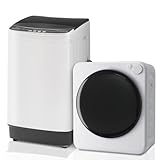
Overview:
This separate washer-dryer set (16lb washer + 5.5lb dryer) blends apartment-friendly sizing with dedicated drying power. Designed for bathrooms or RVs, it emphasizes ease of use with knob controls and a stainless steel drum, targeting urban dwellers needing reliable same-day laundry.
What Makes It Stand Out:
The washer’s 10 programs and dryer’s 5 modes (including moisture sensing) handle diverse fabrics, while the built-in drain pump simplifies installation. Stainless steel construction ensures durability, and the dryer’s lint filter enhances fabric longevity—key for pet owners or allergy sufferers.
Value for Money:
Mid-range pricing balances features and capacity. The separate units outperform single-combo machines in drying efficiency, and the no-installation design saves setup costs. Solid ROI for frequent laundry in 1–2 person households versus vented alternatives.
Strengths and Weaknesses:
Strengths: Reliable drying performance; durable stainless steel; intuitive knob interface; effective lint filtration; versatile wash/dry modes. Weaknesses: Dryer capacity too small for family loads; washer lacks quick-wash timer details; weight may challenge RV mobility.
Bottom Line:
An excellent space-savvy solution for couples or singles wanting efficient, dedicated drying. Prioritize this over combo units if drying thoroughness matters—but verify RV fit due to dimensions.
Key Considerations Before You Buy
Understanding Capacity Needs
Capacity is paramount when space is limited. Unlike standard machines, compact combos typically range from 1.0 to 2.5 cubic feet. Be brutally honest: what’s the largest load you realistically need to wash and dry at once? A 1.5 cu. ft. model suits singles or couples with simple needs (think daily wear, no bulky bedding), while families or those handling larger items like comforters require at least 2.0 cu. ft. Remember, overloading drastically reduces cleaning and drying effectiveness and strains the machine. Prioritize consistent, manageable loads over occasional oversized ones.
Venting Requirements Demystified
This is a critical differentiator. True condenser or heat pump combos require no external vent, making them incredibly flexible for installation almost anywhere – closets, under counters, even near windows without duct runs. Vented combos, however, do require an external exhaust hose, significantly limiting placement options and adding complex, often costly installation. For truly flexible, space-saving integration, a ventless model (condenser or heat pump) is almost always the superior choice for compact living situations, eliminating ductwork headaches entirely.
Physical Dimensions and Installation Clearance
Don’t just look at the footprint! Measure your designated space meticulously – height, width, depth – including required clearance for ventilation, plumbing access, door swing, and maintenance. Many units need 1-4 inches of space around them. Pay special attention to door height if placing under a counter; some units require the door to open fully for drum access, which might conflict with overhead cabinets. Also, consider weight – fully loaded units can be very heavy; ensure your flooring can support it, especially on upper floors.
Performance and Functionality Essentials
Wash Cycle Effectiveness
Don’t assume compact means compromised cleaning. Look for models offering a robust selection of cycles (delicates, heavy duty, quick wash) and adjustable spin speeds. Higher spin speeds (1000+ RPM) extract more water during the wash phase, which is crucial for efficient drying in a combo unit. Adequate water pressure compatibility (check your home’s PSI) is also vital for optimal wash performance. Read independent reviews focusing specifically on cleaning results for small loads.
Drying Performance Realities
This is where many older combos faltered, but modern ventless technology has improved significantly. Understand that drying in a single drum takes longer than a standalone dryer – expect 1.5 to 3+ hours per load. Heat pump models generally dry faster and more energy-efficiently than basic condenser types, especially in cooler rooms. Features like moisture sensors (which auto-stop when clothes are dry) are essential to prevent over-drying (wasting energy) or under-drying (leaving clothes damp). Avoid models relying solely on timed drying cycles.
Noise and Vibration Levels
In a small space, noise becomes a major factor. Washing and spinning are generally quieter than drying cycles. Look for specific decibel (dB) ratings – lower is better. Models with robust suspension systems, anti-vibration pads, or direct drive motors tend to operate more quietly. If placing in a living area or near a bedroom, prioritize units known for low noise output, especially during the high-speed spin phase. Check if the unit needs to be bolted to the floor for stability.
Space Integration and Convenience Features
Stackability and Cabinet Depth Options
While most compact combos are standalone single units, some brands offer stackable configurations (washer on bottom, dryer on top) if you have vertical space but extreme width limitations. More commonly relevant is cabinet depth. Standard depth units (approx. 24-27") might protrude into a room, while true “counter-depth” models (approx. 22-24") sit flush under standard kitchen counters, creating a seamless, built-in look ideal for open-plan living areas or kitchen integration.
Control Panel Design and Accessibility
Consider how you’ll interact with the machine daily. Touchscreens offer modern appeal but can be fiddly; physical dials and large buttons are often easier to use, especially with wet hands. Ensure the control panel is positioned for easy viewing and operation – some under-counter models have panels on the top front, which can be awkward to see. Backlit displays enhance usability in dimly lit closets or basements.
Water and Drain Connection Flexibility
Verify the water inlet hose length and whether the drain pump has sufficient lift capacity (usually 3-4 feet) to reach your drain point, especially if placing in a closet or on a platform. Some units offer flexible drain hose routing options. Check if it requires both hot and cold water connections; some newer models only need a cold water hookup, simplifying installation in spaces without a dedicated hot water line nearby.
Energy and Water Efficiency Matters
Understanding Energy Star and Water Factor
For frequent users, efficiency impacts both the environment and your utility bills. Look for the ENERGY STAR label, which certifies significantly lower energy and water consumption compared to standard models. Pay attention to the Water Factor (gallons per cubic foot per cycle) – lower is better. Heat pump combos are generally the most energy-efficient drying option, though often at a higher initial cost. Calculate potential long-term savings against the purchase price.
Cold Water Washing Capabilities
Modern detergents work exceptionally well in cold water. Units with strong agitation or specialized cold-wash cycles allow you to skip heating the water, saving substantial energy. Ensure the model you choose has effective cold-water performance, as this is where the biggest energy savings for the wash phase are realized. Heating water accounts for about 90% of the energy used in a standard warm/hot wash cycle.
Long-Term Operating Costs
Factor in more than just the sticker price. Consider the estimated annual energy cost (found on the yellow EnergyGuide label), water consumption, potential maintenance needs, and durability. A slightly more expensive, highly efficient model might save you hundreds over its lifespan compared to a cheaper, less efficient unit, especially if you do laundry frequently. Heat pump models often have the lowest operating costs despite a higher upfront investment.
Durability, Maintenance, and Support
Build Quality Indicators
Compact doesn’t have to mean flimsy. Look for units with stainless steel drums (more durable and rust-resistant than plastic), solid construction materials (avoid excessive thin plastic), and reputable brand service networks. Read user reviews focusing on longevity and common failure points. A sturdy feel and substantial door latch are good initial indicators of build quality.
Ease of Maintenance for Longevity
Preventative maintenance is key to avoiding costly repairs. Check how easy it is to access and clean the lint filter (crucial for drying efficiency and fire safety), the drain pump filter (to prevent clogs and odors), and the detergent drawer. Units requiring frequent descaling due to hard water need accessible components for this task. Models with self-cleaning condenser features can reduce long-term maintenance effort.
Warranty Coverage Depth
Warranties vary significantly. Look for at least a 1-year comprehensive warranty. More importantly, check the length of coverage for the core components: the drum, motor, and electronic control board. A 3-5 year (or longer) warranty on these parts signals manufacturer confidence in durability. Understand what’s not covered (like accidental damage or normal wear items like hoses) and whether extended warranties are a worthwhile option for your situation.
Frequently Asked Questions
Frequently Asked Questions
Can compact washer dryer combos handle bulky items like comforters or towels? While possible with larger capacity models (2.0+ cu. ft.), bulky items significantly challenge drying performance. Expect much longer cycle times, potential rewetting from damp items, and possible under-drying. It’s generally recommended to limit bulky loads or use professional services for very large items.
How much longer do drying cycles take compared to a standalone dryer? Significantly longer. While a standalone dryer might take 45-60 minutes, drying in a compact combo typically takes 1.5 to 3+ hours per load due to the single-drum design and moisture removal process. Heat pump models are usually faster than basic condenser types.
Are ventless combos truly as effective as vented ones for drying? Modern ventless condenser and heat pump combos are very effective when used correctly with appropriate load sizes. They eliminate venting hassles but require patience due to longer cycle times. Heat pump models generally offer better drying performance and efficiency than standard condenser types.
Do I need special detergent for a compact combo? Yes. Always use High-Efficiency (HE) detergent. Standard detergents create too many suds in low-water HE machines, leading to poor cleaning, excess residue, and potential overflow or machine errors. Use the recommended amount – often less than you’d use in a standard machine.
Can I install a compact combo myself, or do I need a professional? Installation complexity varies. Connecting to existing water and drain lines might be DIY for handy individuals, but ventless units often require specific drain setups and electrical considerations (dedicated circuit). Vented combos add ductwork complexity. Professional installation is highly recommended to ensure safety, performance, and warranty validity.
Will a compact combo fit under a standard kitchen counter? Many “counter-depth” models (approx. 22-24" deep) are designed specifically to fit under standard 24-25" deep countertops. Always verify the exact unit dimensions (including controls and required clearance) against your counter height and depth before purchasing.
How often does the lint filter need cleaning? Clean the lint filter after every single drying cycle. Neglecting this drastically reduces drying efficiency, increases energy use, creates a fire hazard, and can lead to machine errors or damage. It’s a quick, essential task.
Are compact combos loud enough to disturb an apartment or small home? Noise levels vary. Washing is usually quiet, but spinning and drying cycles can be noticeable in adjacent rooms. Look for models with low dB ratings (< 50 dB wash, < 65 dB dry is good) and robust anti-vibration features, especially if placing in a living area or near bedrooms.
Can I use a compact combo for delicates like silk or lace? Yes, but cautiously. Most offer dedicated delicate cycles with gentle agitation and low spin speeds. Always check garment care labels. For extremely fragile items, hand washing is still safest. Avoid overloading delicate cycles.
How do I prevent musty odors in a compact combo? Regular maintenance is key: clean the lint filter after every dry cycle, wipe the door gasket and drum seal dry after use, run monthly maintenance cycles with affresh or vinegar (if recommended by the manual), leave the door slightly ajar when not in use to air out the drum, and avoid leaving damp clothes inside for extended periods.