Living the dream on the open water or the open road means embracing freedom—but it also means mastering the art of compromise. Every square inch, every amp of power, and every gallon of water becomes precious currency in your mobile lifestyle. While land-based homeowners can simply buy the biggest, most feature-packed appliance, boat and RV owners face a unique puzzle: how to maintain the luxury of clean laundry without sacrificing the independence that makes this lifestyle so appealing.
The washer-dryer combo market has evolved dramatically, with 2026 bringing sophisticated engineering specifically designed for the rigors of mobile living. These aren’t simply shrunken versions of residential units—they’re purpose-built machines that understand your constraints and turn them into advantages. Whether you’re a full-time RVer exploring national parks or a liveaboard cruiser island-hopping the Caribbean, understanding what makes these appliances tick will save you thousands of dollars and countless headaches.
Top 10 Washer-Dryer Combos for Boats
Detailed Product Reviews
1. Splendide WDV2200XCD Combo Washer/Dryer, Vented

Overview: The Splendide WDV2200XCD is a vented washer/dryer combination engineered for RV and marine environments, though equally suitable for compact stationary living. Measuring 33.2" x 23.5" x 23.5" and weighing 155 pounds, this unit requires external venting, demanding thoughtful installation planning. It handles sequential washing and drying cycles without manual intervention.
What Makes It Stand Out: The vented design distinguishes it from most combo units, enabling significantly faster drying cycles and superior moisture extraction—critical in humid climates or for heavy fabrics. Splendide’s decades-long specialization in mobile living appliances translates to robust construction that withstands vibration and movement. The streamlined control interface prioritizes reliability over complex electronics, appealing to users who value proven functionality.
Value for Money: At $1,426.16, this commands a premium price. However, the vented configuration delivers drying performance that ventless models simply cannot match, eliminating the frustration of damp clothes after extended cycles. For RV owners, the brand’s mobile-specific engineering justifies the cost. Apartment dwellers might hesitate unless venting is already available, as comparable ventless options cost less.
Strengths and Weaknesses: Pros include superior drying speed, RV-tough construction, straightforward operation, and excellent moisture removal. Cons involve mandatory venting requirements limiting placement, fewer modern features like steam or extensive programs, and the highest price point in this comparison.
Bottom Line: Ideal for RV enthusiasts and those with existing venting infrastructure. The premium investment pays dividends in reliable, thorough drying performance where space is at a premium.
2. Washer and Dryer Combo, 3.1 cu.ft, 120V All In One Ventless Compact 24 Inch Large Capacity, Lavadora y Secadora 2 in 1 for RV Apartment Home, Child lock, Full-Automatic, Overnight Wash and Dry

Overview: This 3.1 cubic foot ventless combo balances generous capacity with space-saving design for households of 2-3 people. The 23.4" x 23.1" x 33.5" footprint fits apartments, RVs, and small homes while running on standard 120V power. Sixteen specialized programs handle everything from delicates to bulky items through intuitive knob controls.
What Makes It Stand Out: UL Energy Verification and heat pump drying technology differentiate this unit from conventional condenser models. The heat pump recycles thermal energy, slashing electricity consumption while maintaining gentle drying temperatures below 120°F. This rare combination at this price point protects fabrics and reduces utility bills. The extensive program selection includes dedicated cycles for wool, baby wear, and bulky items typically absent in mid-range combos.
Value for Money: Priced at $1,281.90, this sits in the premium tier but undercuts European heat pump models by hundreds. Energy savings from both UL certification and heat pump technology create a compelling total cost of ownership argument. The 3.1 cu.ft capacity adequately serves small families without the space for separate appliances.
Strengths and Weaknesses: Pros include energy-efficient heat pump system, comprehensive program variety, gentle fabric care, UL certification, and ventless installation freedom. Cons are moderate capacity limiting larger families, inherently longer cycle times than vented models, and premium pricing may exceed tight budgets.
Bottom Line: An exceptional choice for eco-conscious consumers prioritizing energy efficiency and fabric protection. The heat pump technology justifies the price through tangible long-term savings.
3. Washer and Dryer Combo, 5.0 cu.ft, with LED Display, 12 Cycle Selections All In One Washer Dryer,Large Capacity Front Load Washing Machine and Dryer, for Apartment RV Home

Overview: This front-loading combo unit challenges conventional capacity limitations with an impressive 5.0 cubic foot drum—unusually large for an all-in-one design. The LED display and 12 cycle selections provide modern convenience while the front-load configuration ensures water and energy efficiency. Designed for space-constrained living, it handles substantial loads that typically require separate machines.
What Makes It Stand Out: The capacity-to-size ratio is unprecedented in the combo market, accommodating family-sized loads that competitors cannot. Most combos top out at 3-4 cu.ft, forcing multiple cycles. This unit’s 5.0 cu.ft drum significantly reduces total laundry time for households. The front-loading design uses less water than top-load alternatives while providing ergonomic access.
Value for Money: At $338.99, this represents extraordinary value—costing less than many standalone washing machines. The capacity-to-price ratio is unmatched, making it accessible for budget-conscious families, first-time homeowners, or rental property investors. While build quality may not match premium brands, the functional value is undeniable for those prioritizing capacity over advanced features.
Strengths and Weaknesses: Pros include exceptional capacity, unbeatable price, LED display, front-load efficiency, and 12 versatile cycles. Cons potentially involve durability concerns at this price point, longer drying times for maximum loads, limited brand support infrastructure, and ventless system efficiency concerns with full capacity.
Bottom Line: For families prioritizing capacity and affordability, this is revolutionary. Manage expectations regarding longevity, but the value proposition is simply unmatched in the combo washer/dryer category.
4. BLACK+DECKER Washer and Dryer Combo, 2.7 Cu. Ft. All In One Washer and Dryer with LED Display & 16 Cycles
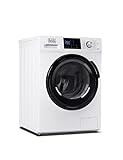
Overview: BLACK+DECKER delivers a 2.7 cubic foot ventless combo unit targeting urban dwellers seeking brand reliability in a compact form. The 23.4" x 23.1" x 33.5" dimensions enable installation anywhere with a standard 120V outlet. Sixteen wash cycles and a transparent front lid combine functionality with user-friendly monitoring for apartments, condos, and RVs.
What Makes It Stand Out: The transparent viewing window allows real-time progress monitoring—a practical touch absent in many competitors. The cycle variety matches premium European brands, including specialized options like Sanitary, Tub Clean, and Cold Wash. BLACK+DECKER’s established warranty network and parts availability provide confidence that generic brands cannot match. Installation requires no electrical upgrades, avoiding contractor costs.
Value for Money: At $1,027.02, this occupies the mid-to-premium range for its capacity class. The brand premium is justified by reliable customer support and proven quality control. While lacking advanced heat pump technology, the comprehensive features and trusted name create strong value for professionals wanting dependability without flagship pricing.
Strengths and Weaknesses: Pros include reputable brand backing, excellent cycle diversity, ventless flexibility, standard 120V operation, and viewing window. Cons are the modest 2.7 cu.ft capacity, conventional condenser drying efficiency, and drying performance trails vented alternatives.
Bottom Line: A solid, feature-rich choice for brand-conscious buyers in small spaces. The BLACK+DECKER name ensures support peace of mind, though capacity-hungry users should consider larger alternatives.
5. COMFEE’ 24" Washer and Dryer Combo 2.7 cu.ft 26lbs Washing Machine Steam Care, Overnight Dry, No Shaking Front Load Full-Automatic Machine, Dorm White
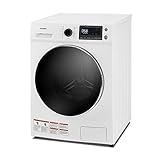
Overview: COMFEE’s 2.7 cubic foot combo emphasizes intelligent features and convenience in a compact footprint. The unit integrates steam care, overnight wash-and-dry cycles, and an inverter motor for enhanced efficiency. Measuring 23" x 25" x 34", it offers 26 lbs washing and 13 lbs drying capacities while operating quieter than conventional models.
What Makes It Stand Out: Steam care permeates fabrics for 30+ minutes, reducing wrinkles, odors, and allergens—premium functionality rarely seen under $1,000. The overnight cycle completes full wash and dry cycles during off-hours, delivering ready-to-wear clothes by morning. The inverter motor saves energy while reducing noise and vibration, crucial in studio apartments or RVs where laundry operates near living spaces.
Value for Money: At $999.00, this undercuts many competitors while offering advanced features like steam and inverter technology typically costing $300-500 more. The energy savings and convenience features generate tangible ROI. For users valuing fabric care and smart scheduling, this delivers excellent bang-for-buck.
Strengths and Weaknesses: Pros include steam sanitization, overnight convenience, inverter motor efficiency, quiet operation, and child lock. Ventless design enables flexible placement. Cons are the 2.7 cu.ft capacity limitation, potential complexity for users preferring simplicity, and brand recognition still developing compared to legacy manufacturers.
Bottom Line: Feature-forward and thoughtfully designed, this suits tech-savvy users wanting premium capabilities at a mid-range price. The steam and overnight functions genuinely enhance the compact laundry experience.
6. HAMILTON BEACH Washer and Dryer Combo 2.7 cu ft - White

Overview: The Hamilton Beach Washer and Dryer Combo delivers a space-saving laundry solution for compact living environments. Measuring just 23.1 x 23.4 x 33.5 inches, this front-loading unit combines washing and drying functions with a 2.7 cubic foot capacity—the largest available in the 24-inch market category. Designed for apartments, condos, and small homes, it eliminates the need for separate appliances while delivering full-size functionality that serves families working different shifts.
What Makes It Stand Out: This combo unit distinguishes itself with exceptional quiet operation, running at less than 60 dB during wash cycles and under 72 dB when drying, making it ideal for households with varied schedules or light sleepers. The programmable LED digital display provides access to 16 washing cycles, five temperature options, and four drying settings, offering remarkable versatility. The delay-start feature adds convenience, allowing users to schedule laundry around their lifestyle rather than being tethered to the machine.
Value for Money: At $899, this unit sits in the mid-range for washer-dryer combos. While pricier than basic portable units, it costs significantly less than purchasing separate washer and dryer units plus installation. The space savings alone justify the investment for urban dwellers, and the energy efficiency helps offset operational costs over time, making it financially sensible for long-term use.
Strengths and Weaknesses: Strengths include its compact footprint, generous capacity for size, whisper-quiet operation, and extensive cycle options. The front-loading design is ergonomic and efficient. Weaknesses include lengthy cycle times typical of ventless combos and drying performance that may not match standalone dryers. The price point may challenge budget-conscious buyers despite its features.
Bottom Line: The Hamilton Beach combo excels for space-constrained households prioritizing quiet operation and versatility. It’s a solid investment for small families or professionals willing to trade speed for convenience and space efficiency.
7. Pataku Portable Washing Machine, 17.6 Lbs Compact Mini Washer and Dryer Combo,Twin Tub Laundry Washer with Spin Cycle, Soaking Function Ideal for Apartment, Dorms, RVs Camping, Grey

Overview: The Pataku Portable Washing Machine is a twin-tub laundry solution designed for ultra-compact spaces. With a total capacity of 17.6 pounds (11 lbs washing, 6.6 lbs spinning), this manual-style unit serves dorm residents, RV enthusiasts, and apartment dwellers seeking an affordable alternative to laundromats. Its lightweight, compact design requires no permanent installation and operates with simple timer controls for straightforward laundry days.
What Makes It Stand Out: This unit’s primary distinction is its incredible affordability combined with genuine functionality. The dual-tub design allows simultaneous washing and spin-drying, effectively cutting laundry time in half compared to single-tub models. The soaking function (0-20 minutes) provides enhanced cleaning for heavily soiled items. Operation is refreshingly simple with straightforward timer controls—15 minutes for washing and 5 minutes for spinning—making it accessible for all users.
Value for Money: At $94.99, this represents exceptional value. It eliminates recurring laundromat expenses and pays for itself within months of regular use. Energy consumption is minimal, and the manual water connection means no plumbing costs. For students or temporary housing situations, it’s a financially prudent choice that delivers surprising capability without ongoing expenses.
Strengths and Weaknesses: Strengths include unbeatable price, true portability, dual-tub efficiency, and zero installation requirements. It’s lightweight and easily stored when not in use. Weaknesses involve manual water filling and draining, smaller capacity requiring multiple loads for families, and basic construction that may lack long-term durability. The spin function doesn’t fully dry clothes, requiring additional air drying time.
Bottom Line: The Pataku is a budget champion for those prioritizing economy and portability over automation. Perfect for students, campers, or as a secondary unit, it reliably handles light to moderate laundry needs without breaking the bank.
8. Midea 24 Inch Washer and Dryer Combo, All in One Washer and Dryer 2.7 cu.ft 26lbs, Ventless Washing Machine, Steam Care, Overnight Dry, 1400 RPM, 16 Cycles Front Load Washer, Full-Automatic, White

Overview: Midea’s 24-Inch Washer and Dryer Combo is a premium all-in-one ventless laundry system with a 2.7 cubic foot capacity. This front-load unit targets efficiency-conscious households with advanced features like steam care and overnight wash-dry cycles. Operating on standard 120V power without venting requirements, it suits apartments and RVs where traditional setups are impossible, offering families of 3-4 a complete laundry solution.
What Makes It Stand Out: The steam care function sanitizes clothing while eliminating stubborn stains, germs, and bacteria—rare in this price class. The overnight wash-and-dry cycle delivers ready-to-wear clothes by morning, perfect for busy professionals. The BLDC inverter quattro motor carries a 10-year warranty and passes DOE energy efficiency standards. The 1400 RPM spin speed extracts maximum moisture, significantly reducing drying time compared to slower models.
Value for Money: At $949, this commands a premium but justifies it through energy savings, warranty protection, and advanced features. Comparable European combo units cost $1,200+. The long-term operational savings and space efficiency make it a smart investment for permanent installations where quality and reliability matter most.
Strengths and Weaknesses: Strengths include superior cleaning performance, steam sanitization, exceptional motor warranty, energy efficiency, and convenient overnight programming. The ventless design offers installation flexibility anywhere with a standard outlet. Weaknesses include the necessity of removing transport bolts before use, extended default cycle times (4-6 hours), and premium pricing that may exceed budget constraints. Ventless drying works slower than vented systems.
Bottom Line: This Midea unit excels for buyers seeking advanced features and energy efficiency in a compact package. The steam care and overnight cycles justify the premium for families prioritizing convenience and fabric care.
9. Auertech Portable Washer and Dryer Combo Set, 18 lbs Fully Automatic Washing Machine, 1.5CuFt Portable Dryers, Compact Washer and Dryer for Apartment, RV, Dorm

Overview: The Auertech Portable Washer and Dryer Combo Set provides a unique two-unit solution: an 18-pound fully automatic washer paired with a 1.5 cubic foot dryer. This system delivers same-day wash-dry-wear convenience without the cycle time compromises of single-unit combos. Designed for apartments, dorms, and RVs, it operates on standard power outlets and ships in two packages for manageable setup and transport.
What Makes It Stand Out: Unlike traditional combos, the separate washer and dryer enable true simultaneous operation—wash a new load while drying the previous one. The washer’s turbo spin cycle combined with the dryer’s 850W heating element and 149°F maximum temperature dramatically reduces total laundry time. The dryer offers “5 Pro-Level Drying” modes with smart heat control for fabric protection, ensuring clothes dry quickly without damage.
Value for Money: At $329.99 for two appliances, this set offers compelling value. It provides performance approaching full-size units at a fraction of cost and space. The ability to run both units concurrently effectively doubles throughput compared to single-unit combos, saving valuable time for busy households that can’t afford to wait hours between cycles.
Strengths and Weaknesses: Strengths include separate operation for efficiency, rapid drying capability, generous capacity for portable units, and multiple specialized programs including baby care. The compact dimensions fit tight spaces. Weaknesses include requiring two separate electrical outlets, receiving two packages (potential shipping complications), and taking more floor space than single-unit combos. The washer’s spin may leave clothes damper than standalone washers.
Bottom Line: This Auertech set is ideal for those refusing to compromise on speed and convenience. It’s perfect for families in compact spaces who need laundry efficiency without the wait times of all-in-one units.
10. TABU Washer and Dryer Combo,20LBS Full Automatic Washing Machine with 10 Washing Programs & 2.6 Cu.Ft Portable Dryer with Stainless Steel Inner Tub,White

Overview: The TABU Washer and Dryer Combo combines a 20-pound capacity fully automatic washer with a 2.6 cubic foot portable dryer in a coordinated white finish. The washer features a stainless steel inner tub and 10 washing programs, while the dryer offers four distinct drying modes. This system targets small households needing larger capacity without permanent installation, providing flexibility for renters and mobile living situations.
What Makes It Stand Out: The washer’s 20-pound capacity exceeds most portable units, handling substantial loads for families. The automatic balance detection mechanism prevents vibration and prolongs machine life—a sophisticated feature rarely seen in portable appliances. The dryer’s four modes include auto humidity-sensing, delicates, air fluff, and timer settings, providing professional-level fabric care typically reserved for full-size units.
Value for Money: Priced at $479.99, this combo bridges the gap between basic portables and premium all-in-ones. The large washer capacity and automatic features deliver significant utility for the price. While more expensive than manual twins, the full automation and enhanced capacity justify the investment for regular use in households doing laundry several times weekly.
Strengths and Weaknesses: Strengths include exceptional washer capacity, automatic balance adjustment, stainless steel tub durability, multiple wash programs and water levels, and versatile drying options. The separate dryer allows flexible usage. Weaknesses include unclear dryer capacity relative to washer size, potential size constraints for truly “portable” needs, and occupying more space than single-unit combos. The brand recognition is lower than established competitors.
Bottom Line: The TABU combo serves families needing larger capacity in a compact, non-permanent setup. The automatic features and generous washer size make it a practical choice for apartment dwellers with moderate laundry demands.
Why Space-Specific Laundry Solutions Matter for Mobile Living
The fundamental difference between residential and mobile laundry appliances isn’t just size—it’s philosophy. Standard washers and dryers assume unlimited resources: stable 240V power, endless water supply, robust ventilation, and immobile installation. Your boat or RV operates under an entirely different set of physical laws. Vibration from engines or road travel, limited power budgets, water conservation needs, and space constraints that would make a Manhattan studio feel spacious all demand specialized engineering.
Mobile-specific combos integrate shock-absorbing mounting systems, low-draw power inverters, and water-recycling capabilities that residential units simply don’t offer. They understand that a 3% grade on an RV pad or a 15-degree heel on a sailboat isn’t a malfunction—it’s Tuesday. This specialization means paying attention to features that seem irrelevant in a sticks-and-bricks home but become critical when you’re anchored in a remote cove.
Understanding Power Requirements: Voltage, Amperage, and Energy Sources
Power management remains the single most critical factor in selecting a washer-dryer combo for mobile use. Your choice fundamentally determines where you can operate independently and when you’ll need shore power or generator support.
12-Volt DC Systems: The Marine Standard
True 12V DC washer-dryer combos represent the gold standard for energy independence, particularly in marine environments. These units draw directly from your house battery bank, eliminating inverter inefficiencies that can waste 10-15% of your precious power. However, the trade-off comes in cycle time—12V units typically run longer to accomplish the same work, spreading energy consumption over hours rather than minutes. For sailors who rely on wind and solar regeneration, this slow-and-steady approach actually works in your favor, allowing you to run loads during peak solar hours without overwhelming your system.
110-120V AC: Shore Power and Generator Dependence
Most RV-specific combos operate on standard North American household voltage, making them practical when you’re connected to shore power or running a generator. The critical specification here isn’t just voltage but amperage draw. Look for units that pull under 10 amps during wash cycles and under 13 amps during drying. Anything higher will strain typical 30-amp RV service or modest inverter systems. The 2026 market has seen significant improvements in soft-start compressor technology, reducing the initial surge that can trip breakers or overload inverters.
Propane-Powered Options: Off-Grid Freedom
Propane-powered drying components offer the ultimate off-grid laundry solution, using minimal electricity (often just 2-3 amps for control boards and tumbling) while leveraging your existing propane system for heat. These units shine for boondockers and long-term cruisers who already carry substantial propane for cooking and refrigeration. The downside? Installation complexity increases dramatically, requiring proper venting, gas line routing, and compliance with marine or RV propane safety standards. Never compromise on professional installation when gas is involved.
Water Consumption Realities in Mobile Environments
Water is your most finite resource, and modern combos have responded with impressive efficiency innovations. Today’s best units use as little as 7 gallons for a complete wash and dry cycle—less than many residential toilets use per flush. But understanding your specific water budget remains essential.
Freshwater Tank Impact
A typical 12-gallon per day per person usage estimate means a couple on a week-long off-grid excursion needs 168 gallons of fresh water. A single laundry load consuming 10 gallons represents nearly 6% of your total water budget. This reality has pushed manufacturers to develop “eco modes” that reduce water usage by 40% through spray-rinse technology and load sensing, though these cycles extend run times significantly.
Gray Water Management
Your gray water tank fills faster than your fresh tank empties, creating a logistical challenge. Modern combos with advanced moisture sensors prevent over-drying, which reduces condensation and gray water output. Some 2026 models even feature gray water recycling systems that filter and reuse rinse water for subsequent loads—a game-changer for extended off-grid stays, though these systems add complexity and maintenance requirements.
Ventless vs. Vented Drying Systems: Making the Right Choice
The venting question divides the mobile community, with passionate advocates on both sides. Your decision impacts installation complexity, humidity control, and energy consumption.
Condenser Drying Technology Explained
Ventless condenser dryers have revolutionized mobile laundry by eliminating the need for exterior vents. These systems cool hot, moist air internally, collecting condensation in a reservoir or pumping it to your gray water tank. For RV owners, this means no cutting holes in exterior walls. For boat owners, it means no concern about backdrafts in heavy seas. The trade-off? Condenser systems use 20-30% more energy and add noticeable heat to your living space—welcome in winter, problematic in summer.
Traditional Vented Systems in Confined Spaces
Vented dryers exhaust moist air outside, preventing interior humidity buildup and operating more efficiently. However, proper installation requires rigid or semi-rigid ducting with minimal bends, a challenge in tight spaces. Marine installations need dorade boxes or vent clappers to prevent water intrusion when healing. RV installations must consider aerodynamics—exterior vents can create wind noise and reduce fuel efficiency. The 2026 trend shows hybrid systems that can operate in either vented or ventless mode, giving you flexibility based on conditions.
Capacity Considerations: Realistic Expectations
The physics of laundry doesn’t change just because you’re mobile. A “2.5 cubic foot” drum sounds substantial until you realize it holds roughly 10-12 pounds of dry laundry—about three days of clothes for two people. Manufacturers’ capacity claims often assume optimal loading conditions that rarely exist in real life.
Load Size vs. Drum Size
Overloading destroys cleaning performance and strains motors and bearings—especially critical in mobile applications where vibration already stresses components. The rule of thumb: fill the drum only 60-70% for washing, and even less for drying. This means planning for smaller, more frequent loads rather than weekly marathon sessions. The 2026 market has responded with “smart load” sensors that refuse to start overloaded cycles, protecting your investment from enthusiastic but misguided packing.
The Single-Load Reality
Combo units wash and dry in the same drum, which means you can’t start a new wash while the previous load dries. A full cycle typically runs 3-4 hours. For full-time mobile living, this operational reality requires lifestyle adjustment. Many experienced mobile dwellers run loads overnight while sleeping, taking advantage of off-peak power on shore connections or quiet generator hours. Others run wash cycles during morning activities, then dry during afternoon solar peak.
Installation Challenges Unique to Boats and RVs
Forget about sliding an appliance into a laundry closet and calling it done. Mobile installations demand structural, electrical, and plumbing modifications that often cost more than the unit itself.
Structural Reinforcement Needs
Your washer-dryer combo becomes a 150-200 pound projectile in rough seas or during an accident. Standard cabinetry isn’t designed for these dynamic loads. Installation requires reinforced mounting points, typically aluminum or stainless steel angle brackets tied into structural members. RV installations need consideration of frame flex—mounting directly to the floor can transfer vibration throughout the entire vehicle. Boat installations must account for hull flex and the corrosive marine environment.
Vibration Isolation Strategies
Even the best-balanced combo generates significant vibration during spin cycles. Modern isolation systems use multi-directional shock mounts similar to those found in commercial aircraft. These systems allow the machine to “float” within its enclosure, absorbing energy before it transfers to your living space. Some 2026 models integrate active vibration cancellation, using sensors and counter-weights to reduce shake by up to 70%. Never skip the isolation system—transmitted vibration can loosen cabinetry fasteners, crack fiberglass, and drive you slowly insane.
Plumbing Modifications
Standard washing machine hoses won’t survive mobile life. You need reinforced, burst-proof hoses with swivel fittings to handle movement and vibration. Marine installations require vented loops to prevent siphoning, while RVs need check valves and flexible PEX connections. Drain placement is critical—pumps can only lift water so high, and low drains risk back-siphoning. The 2026 standard includes integrated leak detection systems that shut off water automatically, preventing catastrophic flooding while you’re away from the boat or RV.
Durability Factors for Mobile Applications
The road and water are unforgiving environments that expose every weakness in appliance design. Salt air, constant vibration, temperature extremes, and humidity create a perfect storm of failure modes.
Shock and Vibration Resistance
Look for units with sealed bearings, solid-state controls, and minimal moving parts in the control system. Traditional mechanical timers and relays fail quickly in mobile environments. The best units undergo MIL-STD-810 testing—the same standards used for military equipment. Ask manufacturers specifically about vibration testing protocols; reputable brands will provide detailed specs showing G-force resistance across frequency ranges.
Corrosion Protection in Marine Environments
Stainless steel drums are non-negotiable for marine use, but don’t stop there. Control boards should be conformal-coated to resist salt air intrusion. Exterior cases need powder-coating or anodizing, not paint. Internal components benefit from silicone sealing. Even the screws matter—stainless steel fasteners throughout prevent galvanic corrosion. The 2026 market has seen increased use of plastic-composite outer tubs that won’t corrode, though these can be more susceptible to cracking from impact.
Weight and Space Optimization Strategies
Every pound matters in an RV (affecting fuel economy and cargo capacity) and on a boat (impacting trim and performance). Yet laundry capability adds significant weight.
Compact Design Priorities
The trend toward front-loading combos isn’t just about efficiency—it’s about installation flexibility. Front-loaders can mount under countertops or in tight corners where top-loaders can’t open. Some 2026 designs feature reversible doors and control panels that can relocate to either side, allowing customization to your specific layout. Look for units with removable transport bolts that double as permanent mounting points, saving weight and installation time.
Multi-Functionality Benefits
The combo unit’s primary advantage is doing the work of two appliances in one footprint. But modern units extend this further, with some offering “dry only” or “wash only” modes that let you hand-wash delicates then use the machine just for spinning and drying. Others include steam refresh cycles that reduce water usage for lightly worn items. The most innovative 2026 models feature removable drying racks for shoes or sweaters, maximizing utility without adding separate appliances.
Energy Efficiency for Off-Grid Capability
Your ability to run laundry without shore power depends entirely on energy efficiency and your power generation capacity. The math is unforgiving.
Inverter Compatibility
Pure sine wave inverters are mandatory for modern washer-dryer combos with electronic controls. Modified sine wave power will destroy control boards over time. Size your inverter not just for running watts but for startup surge—typically 2-3 times the rated draw. A unit pulling 8 amps running might need 20+ amps for the first few seconds. The 2026 generation includes soft-start technology that reduces surge by up to 50%, making inverter life easier and allowing smaller, less expensive inverter systems.
Solar Integration Potential
If you’re serious about off-grid laundry, your solar array needs to generate at least 800-1000 watts per load when accounting for inefficiencies and weather variability. Battery banks should provide 200 amp-hours of usable capacity beyond what the laundry requires, ensuring you don’t drain essentials like refrigeration. Some cutting-edge 2026 units include programmable delay starts that sync with peak solar production hours, automatically beginning cycles when your panels hit voltage thresholds.
Smart Features and Connectivity in 2026
The Internet of Things has reached mobile laundry, bringing both convenience and potential complications. Smart features can be lifesavers or expensive gimmicks depending on your connectivity situation.
Remote Monitoring Capabilities
Bluetooth and Wi-Fi connectivity let you monitor cycle progress from your phone—handy when the machine is tucked in a lazarette or basement storage bay. More importantly, smart diagnostics can alert you to issues before they become catastrophic failures. Imagine getting a notification about a drain pump obstruction while at anchor, rather than discovering a flooded cabin days later. However, these features require power even when “off,” creating a small but constant parasitic draw.
Automated Cycle Optimization
Machine learning algorithms now analyze your typical loads and automatically adjust water, energy, and time parameters. For mobile users, this means the machine learns to use less water when it detects you’re on battery power versus shore power. Some units integrate with whole-vehicle monitoring systems, automatically pausing cycles when voltage drops below set thresholds to protect your house batteries. The 2026 advancement is local processing—earlier cloud-dependent systems failed when you lost connectivity, but modern units process everything onboard.
Noise Reduction Technologies
In 200 square feet of living space, a noisy appliance becomes a relationship stressor. Decibel ratings matter as much as capacity or efficiency.
Operational Considerations for Close Quarters
Quality mobile combos now operate at 50-55 decibels during wash cycles—roughly conversational level—and 60-65 decibels during high-speed spin. Compare this to residential units that can hit 75+ decibels. The secret is brushless DC motors, belt-driven drums (rather than direct drive), and extensive sound insulation. Some 2026 models feature “night modes” that extend cycle time to reduce peak noise, perfect for running loads while sleeping in close quarters.
Cost Analysis: Total Investment Beyond Purchase Price
Sticker shock is real—these units cost 2-3 times their residential equivalents. But focusing solely on purchase price misses the broader financial picture.
Installation Expenses
Professional installation typically runs $800-$2,500 depending on complexity. Marine installations cost more due to corrosion-proofing and access challenges. Factor in structural modifications, plumbing upgrades, electrical work, and ventilation systems. DIY installation can save money but risks warranty voidance if not done to manufacturer specifications. Many mobile-specific warranties explicitly require professional installation documentation.
Long-Term Operating Costs
Calculate cost per load including water, power, and propane where applicable. A typical mobile combo costs $0.50-$1.25 per load in energy, compared to $0.25-$0.50 for residential units. However, compare this to laundromat costs ($3-$8 per load plus time and travel) or marina laundry facilities ($5-$10 per load). The break-even point typically occurs at 150-200 loads, making these units financially sensible for full-time mobile living.
Maintenance Requirements in Mobile Settings
Accessing service in remote locations is challenging, making preventative maintenance critical. Mobile environments accelerate wear, so maintenance intervals shrink compared to residential use.
Accessibility for Service
Before purchasing, download the service manual and study the exploded diagrams. Can you access the drain pump filter without removing the entire unit? Are control boards mounted for easy replacement? The best mobile units position serviceable components behind front-access panels. Some 2026 designs even include QR codes inside the unit linking to video service guides you can watch on your phone while elbow-deep in the machine.
Preventative Care Protocols
Run a cleaning cycle weekly with specialized marine/RV descaling solution, not residential cleaners. Salt air and mineral content in campground water accelerate buildup. Check and clean inlet filters monthly—mobile water sources are notoriously debris-laden. Inspect mounting hardware quarterly for loosening. Keep a service kit onboard including door seals, drain pump, and control board fuses. These simple steps can double your unit’s service life.
Warranty and Support Considerations for Mobile Users
Here’s a harsh truth: most appliance warranties explicitly exclude mobile or marine use. Finding a manufacturer that stands behind their product in your environment is crucial.
Manufacturer Policies on Mobile Installation
Read warranty terms carefully—look for phrases like “recreational vehicle approved” or “marine grade.” Some manufacturers offer extended mobile warranties at additional cost, typically $150-$300 for 3-5 years of coverage. These specialized warranties cover vibration damage, corrosion, and installation-related issues that standard warranties exclude. Keep detailed installation photos and professional installation certificates; warranty claims for mobile installations are scrutinized heavily.
Service Network Availability
Consider where you’ll be traveling. Does the manufacturer have authorized service centers along your route? Marine-focused brands often have better coastal coverage but poor inland RV support, and vice versa. The 2026 trend toward modular component design helps—many repairs simply involve swapping a module that can be shipped overnight, avoiding the need for specialized technicians. Some manufacturers now offer video-assisted self-service repairs that don’t void warranty if performed under remote technician guidance.
Frequently Asked Questions
How much power does a typical RV washer-dryer combo actually use per load?
Most 2026 models consume 1.5-3.5 kWh per complete wash-dry cycle depending on settings and load size. On a 12V system, this translates to 125-290 amp-hours from your battery bank—roughly what a typical RV air conditioner uses in 45 minutes. Running on propane for the dry cycle can reduce electrical consumption to under 0.5 kWh for the wash portion alone.
Can I install a washer-dryer combo in any RV or boat?
Not without evaluation. You need adequate structural support (typically 200+ lbs dynamic load capacity), sufficient electrical service (minimum 15-amp circuit for AC units), and accessible plumbing. Class B vans and smaller boats often lack the space or structural integrity. Always consult a marine surveyor or RV structural specialist before cutting into your vehicle.
What’s the lifespan difference between marine and standard units?
Properly installed marine-grade units last 8-12 years in mobile service, compared to 12-15 years for residential use. The difference stems from vibration, corrosion, and power quality issues. Standard residential units typically fail within 2-3 years in mobile applications due to these stresses. The premium for marine/RV-specific construction pays for itself in longevity.
Do ventless dryers really work in humid climates?
Yes, but with longer cycle times. In high-humidity environments, condenser dryers work harder to cool and condense moisture, extending dry times by 30-50%. For tropical cruising or summer RVing in the Southeast, vented systems remain more efficient. Some 2026 ventless models include supplemental dehumidification modes that help in humid conditions but increase energy consumption.
How do I winterize my washer-dryer combo for storage?
Run a full cycle with RV antifreeze (propylene glycol) instead of detergent, then run a dry cycle to clear lines. Disconnect and blow out water lines with compressed air. Add antifreeze to the drain pump housing through the filter access. Store with the door propped open to prevent mold. This 30-minute process prevents thousands in freeze damage.
Are stackable separate units better than combos for mobile use?
Rarely. Stackables offer larger capacity and faster throughput (wash and dry simultaneously) but consume 40% more space and require separate electrical circuits. The weight penalty is significant—two units plus installation hardware can exceed 300 pounds. For full-time mobile living, the combo’s space and weight savings outweigh capacity limitations for most users.
What water pressure do I need for proper operation?
Most units require 20-120 PSI, but optimal performance occurs at 40-60 PSI. RV park water pressure is notoriously inconsistent, often spiking above 100 PSI. Always install a pressure regulator set to 50 PSI. For boats using dock water, install a booster pump if pressure drops below 20 PSI when multiple taps are open. Low pressure causes error codes and incomplete fills.
Can I use regular laundry detergent in mobile combos?
No—use only HE (High Efficiency) detergent, and reduce amounts by 25% from residential recommendations. Excessive suds overwhelm the small pumps and sensors, causing overflows and extended rinse cycles that waste water. Marine-specific detergents are formulated to work with salt water rinses and biodegrade safely if accidentally discharged overboard.
How much ventilation space does a combo need around it?
Minimum 1 inch on sides, 2 inches in rear, and 4 inches above for proper air circulation. Enclosed installations require active ventilation fans. Never install in a completely sealed compartment—heat buildup will destroy electronic components. Many 2026 models include thermal protection that shuts down the unit if temperatures exceed safe limits.
Will running laundry drain my house batteries overnight?
If properly managed, no. Program cycles to complete before bedtime, leaving only the dryer’s cool-down phase running overnight (minimal power draw). Ensure your battery monitor has a low-voltage disconnect set to 12.1V to prevent deep discharge. For peace of mind, many users only run laundry when connected to shore power or when solar input is strong, keeping batteries reserved for essential overnight loads like refrigeration and lighting.