Living in a space-challenged apartment or home doesn’t mean you need to haul laundry to a laundromat or sacrifice precious square footage to bulky appliances. The modern solution—compact all-in-one washer-dryer combos—has evolved from a quirky compromise into a genuinely viable laundry strategy for closet installations. These marvels of engineering combine washing and drying into a single drum, typically requiring no more space than a standard dishwasher, making them perfect for transforming an underutilized closet into a fully functional laundry room.
But here’s the reality: not every combo unit deserves a spot in your closet. The difference between a life-changing convenience and a regrettable purchase often comes down to understanding nuanced specifications that manufacturers don’t always advertise clearly. From ventilation challenges in enclosed spaces to the patience required for longer cycle times, closet laundry installations present unique considerations that differ dramatically from traditional laundry room setups. This comprehensive guide cuts through marketing jargon to equip you with the expert knowledge needed to evaluate whether a compact combo fits your lifestyle, space, and expectations.
Top 10 Closet Washer Dryer Combo
Detailed Product Reviews
1. Splendide WDV2200XCD Combo Washer/Dryer, Vented

Overview: The Splendide WDV2200XCD is a vented washer/dryer combo engineered for space-constrained living. Measuring 33.2" x 23.5" x 23.5" and weighing 155 pounds, it serves RV owners and apartment dwellers who need full laundry functionality without separate machines. Its vented design requires external exhaust but delivers superior drying efficiency compared to ventless models, making it ideal for installations where venting is feasible.
What Makes It Stand Out: This unit’s primary distinction is its vented configuration in a compact footprint, providing faster drying times than ventless alternatives. Specifically designed for mobile living, it fits standard RV closets and withstands travel vibrations. The set-it-and-forget-it operation eliminates transferring clothes between machines, crucial in tight spaces where maneuvering is difficult.
Value for Money: At $1,426.16, the Splendide commands a premium but justified price. While costlier than some combos, it’s substantially less expensive than separate units plus installation in confined areas. For RV applications, its specialized engineering represents significant value, avoiding costly modifications. The vented design’s efficiency also reduces long-term energy costs compared to ventless heat pump systems.
Strengths and Weaknesses: Strengths include compact vented design, RV-specific durability, and faster drying. Weaknesses are limited capacity, mandatory venting requirements, and lengthy combined wash/dry cycles. The 155-pound weight complicates DIY installation, and the price may deter budget-conscious buyers.
Bottom Line: The Splendide WDV2200XCD excels for RV and small-space users with venting access. Its specialized construction and reliable performance justify the premium for those prioritizing space efficiency and drying speed over raw capacity.
2. Samsung Smart 4.7 Cu Ft Top Load Washer & 7.4 Cu Ft Electric Dryer, Sensor Stops Overdrying, Low Vibration Quiet Wash, WaterJet w/Power Cords, Hoses, Vent Duct, 1 Year CPS Protection Bundle (Black)

Overview: This Samsung bundle pairs a 4.7 cubic foot Smart top-load washer with a 7.4 cubic foot electric dryer, creating a high-capacity laundry system for busy households. Included installation accessories and a 1-year CPS protection plan provide a complete, ready-to-use package. Smart Wi-Fi connectivity enables remote monitoring and control via the SmartThings app, adding modern convenience to traditional laundry tasks.
What Makes It Stand Out: The comprehensive installation bundle is unmatched—both 3-prong and 4-prong dryer cords, washer hoses, 8-foot vent duct, and protection plan eliminate additional purchases. The built-in WaterJet faucet allows in-tub stain pretreatment, saving time and mess. Vibration reduction technology ensures quiet operation, while the Self Clean feature maintains tub freshness without harsh chemicals.
Value for Money: At $1,589, this bundle offers compelling value despite its premium positioning. The included accessories and protection plan save over $100 in separate purchases. For families, the large capacities reduce load frequency, translating to significant time savings. Compared to buying components individually, the bundle discount and convenience justify the investment, especially with Samsung’s reputable reliability.
Strengths and Weaknesses: Strengths include massive capacity, smart features, quiet operation, complete accessory package, and innovative WaterJet. Weaknesses are the top-load washer’s higher water consumption versus front-loaders, space requirements for two units, and lack of ventless flexibility. The price may exceed budget constraints for some buyers.
Bottom Line: Ideal for tech-savvy families needing maximum capacity and convenience, this Samsung bundle delivers. The all-inclusive package and smart capabilities justify the price, making it a top choice for those wanting premium features without assembly hassle.
3. Washer and Dryer Combo, 3.1 cu.ft, 120V All In One Ventless Compact 24 Inch Large Capacity, Lavadora y Secadora 2 in 1 for RV Apartment Home, Child lock, Full-Automatic, Overnight Wash and Dry

Overview: This 3.1 cubic foot ventless washer/dryer combo addresses the needs of apartment residents and RV owners seeking flexible installation. Operating on standard 120V power and measuring 23.4" x 23.1" x 33.5", it eliminates venting and special electrical requirements. The stainless steel tub serves 2-3 person households, while 16 specialized cycles handle diverse fabrics from silk to bulky items.
What Makes It Stand Out: The heat pump system is the defining feature, recirculating heat to minimize electricity use while maintaining sub-120°F temperatures for garment protection. UL Energy Verification provides credible efficiency validation. The 120V compatibility is crucial for older buildings and RVs lacking 240V service. Dedicated cycles for wool, baby wear, and underwear demonstrate unusual versatility for a compact unit.
Value for Money: At $1,281.90, this combo offers strong mid-range value. It’s cheaper than the Splendide vented model while providing similar capacity and superior energy efficiency. The heat pump technology generates utility savings that offset the initial cost over time. For renters prohibited from structural modifications, it avoids expensive electrical upgrades, making it financially prudent despite the upfront investment.
Strengths and Weaknesses: Strengths include ventless flexibility, 120V operation, heat pump efficiency, 16 fabric-specific programs, and child lock. Weaknesses are extended drying times typical of ventless systems, limited capacity for large families, and potential reliability uncertainties with a non-premium brand. Bulky items require careful load management.
Bottom Line: Perfect for apartment and RV users needing installation flexibility without sacrificing fabric care, this ventless combo delivers. The energy savings and 120V compatibility make it a practical, cost-effective solution for small households prioritizing convenience.
4. Midea MLTW41A1KIT1 Gray Top Load Washer and Dryer Pair MLTW41A1BGPR 4.1 Cu Ft High Efficiency Washer and 6.7 Cu Ft Ele

Overview: Midea’s matching top-load washer and dryer set provides a traditional two-unit solution with contemporary efficiency and style. The 4.1 cubic foot washer and 6.7 cubic foot dryer deliver substantial capacity for families, while the gray finish adds modern aesthetic appeal. This configuration combines classic laundry workflow with updated technology for reliable, straightforward performance.
What Makes It Stand Out: The high-efficiency top-load washer uses advanced wash motion technology to achieve thorough cleaning while conserving resources. The dryer’s generous 6.7 cubic foot capacity effortlessly handles comforters and bulky bedding that challenge most combo units. The stylish gray finish differentiates it from standard white appliances, enhancing laundry room aesthetics. Multiple optimized cycles for various fabrics and soil levels provide customization without overwhelming complexity.
Value for Money: Priced at $1,399 for the complete pair, this set offers excellent value for buyers preferring separate appliances. It’s competitively priced against major brands while delivering comparable capacities. The two-unit design enables simultaneous washing and drying, reducing total laundry time significantly versus combo units. For families processing multiple loads weekly, the time savings justify the space requirements and moderate price premium over compact alternatives.
Strengths and Weaknesses: Strengths include large dryer capacity, efficient wash performance, attractive modern design, simultaneous operation, and intuitive controls. Weaknesses are higher water usage than front-load washers, absence of smart features, and space demands for two appliances. Venting requirements restrict installation locations compared to ventless options.
Bottom Line: This Midea pair suits families wanting traditional separate appliances with modern efficiency and aesthetics. The large dryer capacity and competitive pricing make it a wise choice for those with adequate space who prioritize performance and simplicity over connectivity.
5. COMFEE’ 24" Washer and Dryer Combo 2.7 cu.ft 26lbs Washing Machine Steam Care, Overnight Dry, No Shaking Front Load Full-Automatic Machine, Dorm White
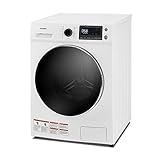
Overview: The COMFEE’ 24-inch washer/dryer combo is the most compact and affordable all-in-one solution, offering 2.7 cubic feet capacity in a ventless design. At 23" x 25" x 34" and $999, it targets dorm residents, apartment dwellers, and budget-conscious buyers needing essential functionality without frills. Despite its economy positioning, it includes premium features like steam care and overnight cycles.
What Makes It Stand Out: Steam care functionality distinguishes this budget model, using 30-minute steam cycles to reduce wrinkles, odors, and allergens—capabilities typically reserved for premium units. The overnight wash-and-dry program produces clean, dry clothes by morning without intervention. An inverter motor enhances energy efficiency while minimizing noise. The reload function allows adding forgotten items mid-cycle, adding practical convenience.
Value for Money: At $999, this combo delivers exceptional budget value. It’s over $400 less than comparable ventless combos while offering steam care and overnight cycles. The inverter motor’s energy savings provide ongoing value, and the compact dimensions eliminate costly venting installation. For students, renters, or first-time buyers, it provides essential laundry capability at an accessible price point without sacrificing key modern features.
Strengths and Weaknesses: Strengths include unbeatable price, steam care, overnight cycle, inverter motor efficiency, child lock, and ultra-compact footprint. Weaknesses are the smallest capacity (2.7 cu ft), restricting suitability to singles or couples; longer cycle times; and potential durability concerns with a budget brand. Transport bolt removal requires careful setup attention.
Bottom Line: The COMFEE’ combo is an outstanding value for singles, students, and budget buyers needing ventless convenience. While capacity is modest, its features and price make it a compelling entry-level choice for small-space living where affordability is paramount.
6. BLACK+DECKER Washer and Dryer Combo, 2.7 Cu. Ft. All In One Washer and Dryer with LED Display & 16 Cycles
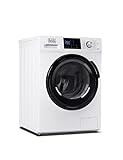
Overview: The BLACK+DECKER Washer and Dryer Combo delivers a space-saving laundry solution for apartment residents and small households. This 2.7 cubic foot all-in-one unit combines washing and drying functions in a single appliance, eliminating the need for separate machines and venting infrastructure. With dimensions of just 23.4" x 23.1" x 33.5", it fits comfortably in tight spaces while offering substantial capacity for weekly laundry needs.
What Makes It Stand Out: This unit’s 16 specialized cycles, including Quick Wash, Sanitary, and Wool settings, provide remarkable versatility for diverse fabric types. The ventless 120V dryer design represents a major installation advantage—simply plug into a standard wall outlet without costly electrical upgrades or external venting. The transparent front-loading lid lets you monitor progress, while the 26.5-pound wash capacity handles substantial loads despite the compact footprint.
Value for Money: At $1,027, this combo commands a premium over basic washers but costs significantly less than purchasing separate washer and dryer units. The installation savings alone—no venting, no 240V wiring—can offset hundreds in contractor fees. For urban dwellers where space costs $200+ per square foot, reclaiming laundry area real estate provides additional financial justification.
Strengths and Weaknesses: Strengths include true all-in-one convenience, reputable brand reliability, flexible installation options, and comprehensive cycle selection. The stainless steel drum ensures durability. Weaknesses involve inherent combo limitations: drying capacity is half the wash capacity (13.2 lbs), requiring load splitting. Cycle times run longer than separate units, and the price may stretch budgets for cost-conscious buyers.
Bottom Line: This BLACK+DECKER combo excels for space-constrained living where installation flexibility matters most. Accept the trade-offs in cycle time and capacity for the undeniable convenience of ventless, single-unit operation. Ideal for apartments, condos, and secondary laundry locations.
7. ROVSUN 17.8LBS Full Automatic Washing Machine and 1.5CuFt Portable Clothes Dryer Set, Compact Laundry Washer and Dryer Combo Set with Stainless Steel Inner Tub, for Apartment, Dorms, Home

Overview: The ROVSUN 17.8LBS Washer and Dryer Set offers a budget-conscious approach to compact laundry for apartments, dorms, and RVs. This duo pairs a fully automatic washer with a 1.5 cubic foot portable dryer, providing complete laundry capability without permanent installation requirements. The set processes up to 17.8 pounds of washing and 10 pounds of drying, making it suitable for individuals and couples.
What Makes It Stand Out: Remarkable affordability meets functional design. The 26-minute quick wash cycle accelerates laundry day, while the dryer’s optional wall-mounting kit maximizes vertical space utilization. A multi-filtration lint and pet hair system maintains fabric quality, and the diamond-like stainless steel drum minimizes abrasion. The 850W dryer reaches 140°F for efficient moisture removal, and air exchange technology ensures fresh, odor-free results.
Value for Money: At $319.99, this set costs less than one-third of all-in-one combos while delivering similar total capacity. The price point makes laundry independence accessible to students, renters, and budget-minded households. While requiring manual transfer between units, the separation allows simultaneous washing and drying when handling multiple loads, potentially saving time for larger laundry days.
Strengths and Weaknesses: Strengths include exceptional affordability, true portability with adjustable feet, flexible placement options, and surprisingly robust features for the price. The spin-dry function reduces dryer workload. Weaknesses involve manual transfer between machines, smaller capacity limiting family use, and the aesthetic of two separate units. The 5.5-pound quick-dry limitation requires load management.
Bottom Line: This ROVSUN set delivers unbeatable value for those prioritizing budget over absolute convenience. Perfect for temporary housing, small apartments, or as a secondary laundry solution. Accept the manual transfer step and capacity limitations in exchange for remarkable cost savings and installation flexibility.
8. Techomey 2.7 Cu.Ft All-in-One Washer and Dryer Combo, 24" Front Load Ventless Washer Dryer with 26.5 Lbs Loading Capacity, Compact Size, LED Display, Child Lock, White

Overview: The Techomey 2.7 Cu.Ft All-in-One Washer Dryer Combo targets noise-sensitive households seeking premium laundry performance in compact form. This ventless front-load unit handles 26.5-pound wash loads and 13-pound drying cycles while operating below 63 decibels—quieter than normal conversation. Measuring 25.6" x 23.4" x 33.5", it integrates seamlessly into apartments, RVs, and dorms without requiring external venting.
What Makes It Stand Out: The 1400 RPM maximum spin speed extracts significantly more water than standard 1200 RPM machines, reducing drying time and energy consumption by approximately 30%. The low-noise operation makes it ideal for families with newborns, shift workers, or open-concept living spaces. A child lock adds safety, while the 16-cycle LED display interface simplifies program selection. The 90℃ hot water drum cleaning maintains hygiene.
Value for Money: At $1,439.99, this commands a premium over competitors, but justifies the cost through specialized features. The noise reduction technology and high-speed spin deliver tangible quality-of-life improvements worth $200-300 more than basic combos. For apartment dwellers where noise complaints carry consequences, this investment prevents potential neighbor conflicts and offers scheduling flexibility at any hour.
Strengths and Weaknesses: Strengths include whisper-quiet operation, superior water extraction, ventless installation freedom, stainless steel durability, and comprehensive cycle options. The compact footprint saves valuable floor space. Weaknesses center on the premium price point and inherent combo trade-offs—drying capacity remains half of washing capacity, and total cycle times exceed separate units. The brand lacks BLACK+DECKER’s mainstream recognition.
Bottom Line: Choose the Techomey combo when noise level is non-negotiable. The premium delivers measurable benefits in sound reduction and spin efficiency. Best suited for apartments with thin walls, studio layouts, or households requiring overnight operation without disturbance.
9. ROVSUN 17.6LBS Full Automatic Washing Machine and 1.5CuFt Portable Clothes Dryer Set, Compact Laundry Washer and Dryer Combo Set with Stainless Steel Inner Tub, for Apartment, Dorms, Home

Overview: The ROVSUN 17.6LBS Washer and Dryer Set provides an affordable, portable laundry solution for space-constrained living. This separate-unit duo combines a fully automatic washer with a 1.5 cubic foot electric dryer, handling up to 17.6 pounds of washing and 10 pounds of drying. Designed for apartments, dorms, and RVs, the set offers full laundry capability without permanent installation or venting requirements.
What Makes It Stand Out: The dryer’s forward and reverse tumble action prevents clothes tangling, reduces wrinkles, and restores fabric fluffiness—features rarely seen at this price point. The washer’s diamond-like stainless steel drum minimizes abrasion while tackling tough stains across eight modes and five water levels. Operating at 850W with 140°F heat, the dryer efficiently processes loads while its multi-filtration system captures lint and pet hair.
Value for Money: Priced at $339.99, this set delivers exceptional affordability, costing roughly 70% less than all-in-one combos. The separation allows simultaneous operation when handling multiple loads, potentially saving time despite manual transfer requirements. For budget-conscious renters and students, this makes laundry independence accessible without sacrificing essential features.
Strengths and Weaknesses: Strengths include unbeatable pricing, true portability, advanced tumble action uncommon in budget dryers, and flexible placement. The 26-minute quick wash accelerates laundry day. Weaknesses involve manual transfer between units, smaller capacity unsuitable for families, and two separate footprints requiring more floor space than a single combo unit. The 5.5-pound quick-dry recommendation demands load management.
Bottom Line: This ROVSUN set excels as an entry-level laundry solution where budget and flexibility trump all-in-one convenience. The forward-reverse tumble action adds unexpected sophistication. Ideal for temporary housing, small apartments, or as a secondary laundry option when cost control is paramount.
10. Midea 24 Inch Washer and Dryer Combo, All in One Washer and Dryer 2.7 cu.ft 26lbs, Ventless Washing Machine, Steam Care, Overnight Dry, 1400 RPM, 16 Cycles Front Load Washer, Full-Automatic, White

Overview: The Midea 24-Inch Washer and Dryer Combo balances premium features with mid-range pricing in a ventless all-in-one package. With 2.7 cubic feet capacity handling 26-pound wash loads, this unit targets families of 3-4 seeking to maximize laundry efficiency in apartments, RVs, and compact homes. The 120V plug-and-play installation eliminates complex setup requirements.
What Makes It Stand Out: The overnight wash and dry cycle delivers ready-to-wear clothes by morning, perfect for busy professionals. Steam care sanitizes fabrics while eliminating stubborn stains, germs, and bacteria. Midea’s BLDC inverter quattro motor includes a 10-year warranty and passes DOE energy efficiency tests, ensuring long-term reliability with reduced utility costs. The air fluff feature keeps clothes fresh for eight hours post-cycle, preventing musty odors.
Value for Money: At $949, this undercuts the BLACK+DECKER combo by $80 while offering superior features like steam cleaning and overnight programming. The 10-year motor warranty provides peace of mind worth $150-200 alone. Energy savings from the inverter motor recover costs over time, making this a financially sound investment for long-term residents.
Strengths and Weaknesses: Strengths include innovative overnight cycle, steam sanitization, proven brand reliability, excellent warranty coverage, and energy-efficient operation. The 1400 RPM spin speed accelerates drying. Weaknesses involve lengthy default cycle times (4-6 hours) and the critical requirement to remove transport bolts before use—installation missteps cause performance issues. Drying capacity remains half of washing capacity, requiring load management.
Bottom Line: The Midea combo represents the sweet spot for feature-rich, reliable all-in-one laundry. The overnight cycle and steam care justify the moderate premium over basic models. Best choice for families wanting advanced functionality without flagship pricing, provided you follow installation instructions meticulously.
Understanding Closet-Sized Washer-Dryer Combos
What Exactly Is an All-in-One Unit?
An all-in-one washer-dryer combo integrates both washing and drying functions into a single appliance with one drum. Unlike traditional setups where you transfer clothes between separate machines, these units complete the entire process automatically. You load dirty clothes, select a cycle, and return to clean, dry laundry hours later. The technology relies on sophisticated programming that transitions from washing to drying without intervention, using either vented or ventless drying systems specifically engineered for compact footprints.
How They Differ From Stackable and Side-by-Side Sets
The fundamental distinction lies in workflow and spatial efficiency. Stackable units still function as two separate machines requiring manual transfer, while combos eliminate this step entirely. For closet installations, this single-unit design reduces depth requirements by up to 40% compared to stacked pairs. Additionally, combos typically operate on standard 120-volt outlets rather than the 240-volt circuits most dryers demand, dramatically simplifying electrical requirements for closet retrofits where high-voltage wiring may be impractical.
Space Requirements: Measuring Your Closet
Critical Dimensions to Consider
Before falling in love with any specifications, grab your tape measure. Most compact combos require a minimum width of 24 inches, depth of 24-27 inches, and height of 33-35 inches. However, manufacturers list “unit dimensions,” not “installation dimensions.” You’ll need an additional 4-6 inches behind for hoses and electrical connections, 1-2 inches on sides for ventilation, and crucially, adequate clearance in front for door swing and loading. For closet installations, measure the narrowest doorway the unit must pass through—many buyers discover their chosen appliance can’t physically enter the intended space.
Venting vs. Ventless: The Space Impact
This decision fundamentally alters your closet requirements. Vented units need a 4-inch duct pathway to the exterior, which may be impossible in interior closets without major construction. Ventless models, using condensation or heat pump technology, require no external exhaust but demand adequate air circulation within the closet—typically 50-100 square inches of passive venting to adjacent spaces. Heat pump models are particularly closet-friendly, as they recycle heated air internally, producing less ambient heat and humidity than condenser types.
Door Swing and Clearance Issues
Closet laundry setups often fail due to poor door planning. Consider whether the unit’s door hinges left or right and whether this matches your closet configuration. Some models offer reversible doors, but this isn’t universal. More importantly, calculate the swing radius—many combos require the door to open nearly 180 degrees for comfortable loading. In narrow closets, a sliding barn door or bi-fold door on the closet itself might be necessary, as traditional swinging doors can block appliance access entirely.
The Technology Behind Compact Combos
Condensation Drying vs. Heat Pump Technology
Condenser dryers extract moisture by cooling air inside the unit and collecting water in a reservoir or draining it away. While effective, they consume significant energy and release noticeable heat—problematic in enclosed closets. Heat pump technology represents the premium alternative, using refrigerant circuits to dehumidify air at lower temperatures. This approach uses 50-70% less energy and generates minimal heat, making it ideal for closet installations where temperature management is critical. The trade-off? Heat pump models command higher purchase prices but deliver substantial long-term savings.
Inverter Motors and Efficiency
Traditional motors operate at fixed speeds, creating noise, vibration, and inefficiency. Inverter-driven direct drive motors adjust speed dynamically based on load and cycle stage, reducing energy consumption by up to 30% while operating whisper-quiet—essential when the unit shares a wall with living or sleeping spaces. For closet installations, inverter technology also minimizes vibration transfer through floor joists, preventing the rhythmic thumping that can make second-floor installations unbearable.
Smart Features in Small Packages
Modern combos offer Wi-Fi connectivity, app controls, and diagnostic capabilities that prove surprisingly valuable for closet setups. Remote monitoring lets you check cycle progress without physically entering the closet, while notifications prevent laundry from sitting damp. Some units even allow cycle customization that reduces heat output during drying—perfect for poorly ventilated closets. However, critically evaluate whether smart features require firmware updates that could disrupt operation in hard-to-reach closet locations.
Installation Considerations for Closet Placement
Electrical Requirements
Most compact combos operate on standard 120V/15-amp circuits, but verify amperage draw carefully. Some ventless condenser models peak at 13 amps, leaving little headroom on shared circuits. If your closet shares a circuit with lighting or other outlets, you may experience tripped breakers. Dedicated circuits are ideal but not always feasible in closet retrofits. Heat pump models typically draw under 10 amps, offering safer margins. Always check whether the unit requires a three-prong or four-prong plug configuration and whether your closet can accommodate the necessary outlet type.
Plumbing and Drainage Solutions
Closet installations rarely include existing water lines. You’ll need to tap into nearby bathroom or kitchen supply lines, which may require opening walls or running surface-mounted PEX tubing. Drainage presents the bigger challenge. Units can pump wastewater up to 3-5 feet vertically, allowing drainage into sink lines, but this requires precise installation. Some homeowners install compact laundry pumps that can push water 10+ feet to reach main drain stacks. Consider freeze risk if plumbing runs through exterior walls in cold climates.
Ventilation Challenges in Enclosed Spaces
Closets lack the air turnover of traditional laundry rooms. Building codes often require make-up air for vented dryers, but ventless units need passive ventilation to prevent humidity buildup. Install passive grilles at both high and low closet positions to encourage natural convection. For condos with fire-rated walls, use approved fire dampers in vent openings. In extreme cases, consider a small exhaust fan with a humidistat that activates when relative humidity exceeds 60%, preventing mold growth on adjacent walls and clothing.
Performance Factors That Matter
Wash Capacity Reality Check
Manufacturers rate capacity in pounds of dry laundry, typically 15-18 pounds for compact combos. However, drying capacity is often 30-40% less than washing capacity—meaning you must remove some items after washing for effective drying. This “split load” requirement surprises many buyers. For true one-step operation, load only 10-12 pounds maximum. Also consider drum volume in cubic feet; a deeper drum may handle bulky items better than a wide, shallow one despite similar weight ratings.
Drying Times and Energy Consumption
Patience is mandatory with combo units. A full wash-and-dry cycle can span 3-6 hours depending on settings and technology. Condenser models typically run longer than heat pump versions, especially for heavy cotton loads. Energy consumption varies wildly—a ventless condenser might use 3-5 kWh per load, while heat pumps use 1.5-2.5 kWh. Calculate your expected weekly usage and local electricity rates to estimate annual operating costs, which can exceed $200 annually for heavy users with inefficient models.
Cycle Variety and Fabric Care
Look beyond basic “normal” and “delicate” cycles. Quality combos offer wool, silk, and even steam refresh cycles that justify their premium pricing. For closet installations, steam cycles help reduce wrinkles when you can’t immediately remove clothes, while sanitize cycles use higher temperatures that work more effectively in heat pump models. Pay attention to maximum spin speeds—higher RPMs (1200-1400) extract more water, reducing drying times significantly. However, high spin speeds increase vibration, requiring careful leveling in closet floors.
Energy Efficiency and Operating Costs
Deciphering Energy Star Ratings
Energy Star certification for combo units uses different metrics than separate appliances. The Combined Energy Factor (CEF) integrates both washing and drying efficiency—a rating above 3.0 is excellent, while premium heat pump models exceed 4.0. However, the rating assumes specific load sizes and cycle selections. Real-world efficiency drops with frequent small loads or improper settings. Check the EnergyGuide label’s estimated annual operating cost, but adjust based on your actual laundry frequency and local utility rates, which can vary by 300% nationwide.
Water Usage Patterns
Ventless combos use surprisingly little water—often 30-50% less than traditional washers because they recycle rinse water for the next wash cycle. However, condenser drying adds 1-3 gallons per load for the cooling process. Heat pump models use virtually no additional water for drying. In drought-prone areas, this water efficiency can offset higher electricity costs. Consider that hard water reduces efficiency over time; factor in water softener installation costs if your water exceeds 7 grains per gallon hardness.
Long-Term Cost Analysis
Purchase price tells only part of the story. A $1,200 condenser combo might cost $180 annually to operate, while a $1,800 heat pump model runs $90 yearly. Over a 10-year lifespan, the “expensive” unit saves $300 total. Add potential plumbing and electrical installation costs ($500-$2,000) and maintenance expenses. Inverter motors rarely fail but cost $400+ to replace. Heat pump components have 5-7 year lifespans and specialized repair requirements. Always calculate total cost of ownership before deciding.
Noise Levels and Vibration Control
Decibel Ratings Explained
Manufacturers advertise noise levels, but these figures require interpretation. A rating of 54 dB during washing is library-quiet, while 70 dB during spinning is comparable to a vacuum cleaner. However, these are free-field measurements in ideal conditions. In closets, sound resonates and amplifies, especially in corners. Concrete slab foundations transmit less vibration than wood-frame floors. For second-story installations, add 5-10 dB to advertised ratings due to structure-borne noise. Look for models specifically tested in cabinet installations, not open laboratories.
Anti-Vibration Technology
Quality combos employ multiple vibration-reduction strategies: shock absorbers on the drum, counterweight balancing, and inverter motors that ramp speed gradually. Some premium models include active vibration sensors that adjust spin patterns in real-time. For closet installations, these features aren’t luxuries—they’re necessities. The most effective solution combines internal technology with external isolation. Consider placing the unit on a 3/4-inch plywood platform with vibration-dampening pads, decoupling it from the closet floor and reducing noise transmission to adjacent rooms by up to 50%.
Soundproofing Your Closet Space
Beyond the appliance itself, closet modifications dramatically impact perceived noise. Install mass-loaded vinyl (MLV) barriers behind drywall to block sound transmission. Use acoustic caulk to seal gaps around plumbing penetrations. Add a solid-core door with weatherstripping if the closet opens to living areas. For extreme cases, build a floating floor decoupled from joists using acoustic isolation clips. These modifications cost $200-$800 but transform a noisy installation into a whisper-quiet operation, crucial when laundry runs overnight near bedrooms.
Ventless Technology Deep Dive
How Condenser Dryers Work
Condenser dryers heat air electrically, tumbling clothes while moisture evaporates. This humid air then passes through a heat exchanger cooled by room-temperature air or water, causing moisture to condense into a collection tank or drain. The reheated dry air recirculates continuously. In closet installations, this process raises ambient temperature 10-20°F and increases relative humidity significantly. Without adequate ventilation, condensation forms on closet walls, promoting mold growth. The technology works best with closet doors left ajar during operation or passive vents installed.
Heat Pump Efficiency Advantages
Heat pump dryers function like air conditioners in reverse, using refrigerant to extract heat from the surrounding air and concentrate it in the drum. This closed-loop system operates at lower temperatures (120-140°F vs. 170°F for condensers), protecting fabrics while using 50-70% less energy. Critically for closets, heat pumps dehumidify the space rather than adding moisture, as the evaporator coil condenses water more efficiently. They also exhaust cooler, drier air. The downside? Cycle times can extend 20-30% longer than condensers, and the technology adds $400-$600 to purchase price.
Humidity Management in Closet Installations
Even with heat pump technology, closets need humidity control. Install a hygrometer to monitor levels, aiming to stay below 50% RH. Passive solutions include louvered doors or transfer grills to adjacent air-conditioned spaces. Active solutions range from small dehumidifiers ($150-$300) to integrated exhaust fans with humidistat controls. In humid climates, consider a mini-split HVAC unit for the closet to maintain stable conditions year-round. Never vent a condenser dryer into attic or crawl spaces—the moisture will cause structural damage and mold issues that far exceed any installation savings.
Key Features to Prioritize
Automatic Detergent Dispensers
These systems store liquid detergent and fabric softener, dispensing precise amounts based on load size and soil level. For closet installations, this eliminates spills that can stain flooring in tight spaces and reduces maintenance. Look for models with separate compartments for pre-wash and main wash, and ensure the reservoir holds at least a month’s supply. Some premium systems even alert you when detergent levels are low via smartphone apps—particularly useful when the unit is tucked away and easily forgotten.
Steam Functions and Sanitization
Steam cycles refresh clothes without full washing, reducing water usage and cycle time—ideal when you can’t immediately remove finished loads from a closet. Sanitization cycles heat water to 150-170°F, killing allergens and bacteria. In compact combos, steam functions require robust heating elements that increase electrical draw, so verify your circuit capacity. The feature proves most valuable for households with infants, allergies, or frequent small loads that need quick turnaround between wearings.
Delay Start and Scheduling Options
These features allow programming cycles to complete when you’re home to immediately remove clothes, preventing wrinkling in confined closet spaces. More importantly, they enable running laundry during off-peak electricity hours, reducing utility costs by 30-50% in areas with time-of-use pricing. Some smart models integrate with utility company APIs to automatically schedule loads during lowest-rate periods. Ensure the delay timer extends at least 12-19 hours for maximum flexibility.
Maintenance and Longevity
Cleaning and Descaling Routines
Hard water and detergent residue build up faster in compact combos due to smaller components. Run a cleaning cycle with manufacturer-approved descaler monthly—more frequently in hard water areas. Heat pump models require cleaning the evaporator and condenser coils every 3-6 months, similar to HVAC maintenance. Neglecting this reduces efficiency by 20-40% and can cause component failure. Keep the closet door open during cleaning cycles to vent chemical odors, and never use vinegar as a descaler despite online myths—it damages rubber seals and sensors.
Filter Maintenance
Combo units combine lint filters from dryers with pump filters from washers. Clean the lint filter after every load—clogged filters extend drying time by up to 50% and strain the heating element. The pump filter, typically accessed via a front panel, traps coins and debris; clean it monthly to prevent drainage failures. In closet installations, poor lighting makes filter cleaning difficult, so install battery-powered LED stick lights inside the closet. Some premium models include filter-cleaning reminders that prevent the most common cause of service calls.
Professional Servicing Considerations
Closet installations complicate repairs. Technicians need 30-36 inches of clear space in front of the unit, which may require temporarily removing closet doors or shelving. Heat pump models require EPA-certified technicians for refrigerant work, limiting your service options and increasing costs. Before purchasing, verify authorized service providers within 50 miles and inquire about typical repair costs. Some manufacturers offer extended warranties with in-home service specifically for compact installations—worth the premium given the access challenges.
Common Challenges and Solutions
Long Cycle Times Reality
The most frequent complaint—full cycles lasting 4-6 hours—stems from physics, not poor design. Compact units have smaller heating elements and less airflow than full-size dryers. Solutions include: selecting high spin speeds to extract more water, running smaller loads (10 pounds max), and using “quick wash” cycles for lightly soiled items. Some users adapt by running loads overnight or while at work. For truly rapid turnaround, consider a “wash only” cycle (1 hour) followed by air-drying on a rack—more practical than waiting for a full dry cycle when you’re in a hurry.
Wrinkling and Drying Effectiveness
Clothes sit motionless after the dry cycle ends, wrinkling in the confined drum. Many combos offer “anti-wrinkle” features that tumble clothes intermittently for 1-2 hours post-cycle, but this extends total time. The real solution is immediate removal—plan cycles to complete when you’re home. For drying effectiveness, separate heavy and lightweight fabrics; the sensors in combo units struggle with mixed loads. Dry similar items together, and don’t exceed 60% of stated capacity for true one-step operation. Adding dryer balls improves airflow and reduces drying time by 10-15%.
Overloading Pitfalls
The temptation to maximize capacity is strong, but overloading causes three problems: poor wash results, dramatically extended drying times, and premature component failure. The drum needs space for clothes to tumble freely during drying. A good rule: fill the drum loosely to 75% for washing, but reduce to 50% for combined wash-dry cycles. For a family of four, this often means running 5-6 loads weekly instead of 3-4, but each load completes successfully. Consider this trade-off when evaluating whether a compact combo suits your household size.
Closet-Specific Design Considerations
Ventilation Modifications
Building codes rarely address closet laundry ventilation specifically, but best practices demand action. Install a 6-inch passive grille at the closet ceiling connected to a hallway or larger room, plus a 4-inch grille at floor level to create convection currents. In fire-rated walls, use intumescent grilles that close automatically during fires. For condos, check HOA rules about penetrations. Some homeowners install transfer fans that run only when humidity exceeds 55%, balancing air quality with energy efficiency. Never rely on the closet door being left open as your primary ventilation strategy.
Electrical Upgrades
Most closets lack dedicated 20-amp circuits. While many combos claim to work on 15-amp circuits, voltage drops during high-draw drying phases can cause errors or tripped breakers. Have an electrician verify your panel capacity and wire gauge. If upgrading, install a 20-amp AFCI/GFCI combination breaker—required by code for laundry areas in many jurisdictions. Position the outlet 48 inches high on the side wall, not behind the unit, for easier access. Consider adding a dedicated 120V outlet for a future dehumidifier or exhaust fan during the initial electrical work.
Moisture Barriers and Protection
Even with perfect ventilation, accidents happen. Install a waterproof pan under the unit with a drain line to a floor drain or condensate pump—building code requires this in multi-family dwellings. Line closet walls with cement board instead of drywall, and apply a waterproof membrane like RedGard. Elevate the unit 2-3 inches on a pedestal to prevent water damage from minor leaks and make filter access easier. These precautions add $200-$400 to installation but prevent catastrophic damage to subfloors and lower-level ceilings.
Alternative Solutions Comparison
Compact Stackable Options
If closet depth exceeds 30 inches, compact stackables (24" wide, 24" deep, 67" tall) offer faster performance and larger capacity. They wash and dry simultaneously, effectively doubling throughput. However, they require 240V electrical service and a vent, plus manual load transfer. For families needing 10+ loads weekly, stackables may prove more practical despite higher installation costs. The break-even point typically occurs at 8-9 loads weekly—below this, a combo’s convenience outweighs capacity limitations.
Portable Washing Machines
True portables (no permanent plumbing) cost $200-$500 and connect to sink faucets. While smaller (1-2 cubic feet) and cheaper, they require manual filling and draining, plus separate drying arrangements. They’re best for renters who can’t modify closets or those with truly minimal laundry needs (1-2 loads weekly). For anyone exceeding this frequency, the time investment becomes unsustainable. Portables also lack spin efficiency, meaning clothes emerge wetter and take longer to air dry.
Laundromat Cost Analysis
Calculate your true laundromat costs: $3-$6 per load × 4 loads weekly × 52 weeks = $624-$1,248 annually, plus transportation time valued at your hourly rate. A $1,500 combo unit breaks even in 1.5-2.5 years, not counting property value increases or convenience. However, factor in potential HOA restrictions, installation costs, and the learning curve of combo technology. For renters planning to stay under two years, laundromats may remain economically rational despite the inconvenience.
Making Your Final Decision
Assessing Your Laundry Habits
Track your actual laundry patterns for two weeks. Note load sizes, fabric types, and urgency. Combo units excel with consistent, predictable schedules and mixed fabric loads. They struggle with bulky items like comforters or urgent “need it tonight” scenarios. If you regularly wash heavy-duty work clothes or have infants generating multiple daily loads, reconsider. The ideal combo user does 4-7 loads weekly of typical mixed clothing, values convenience over speed, and can plan cycles around their schedule.
Budget Planning Beyond Purchase Price
Allocate your budget realistically: 50% for the appliance, 30% for installation (plumbing, electrical, ventilation), 15% for closet modifications (soundproofing, moisture barriers), and 5% contingency. Financing a $1,500 unit but skimping on $400 ventilation upgrades guarantees dissatisfaction. Consider extended warranties for heat pump models—5-year coverage costing $150-$250 often pays for itself with one service call. Some utilities offer $200-$400 rebates for Energy Star heat pump models, improving ROI dramatically.
Warranty and Support Evaluation
Standard warranties cover 1 year parts/labor, with 5-10 years on motors and drums. For closet installations, prioritize brands offering in-home service rather than carry-in repairs. Read warranty exclusions carefully—damage from improper ventilation or hard water often isn’t covered. Check online forums for actual service experiences; some manufacturers have excellent products but poor support networks. The best warranty includes a 30-day satisfaction guarantee, allowing you to test the unit in your specific closet configuration and return it if noise or humidity proves unmanageable.
Frequently Asked Questions
Can I install a washer-dryer combo in a closet without any ventilation?
No, even ventless models require air circulation to prevent humidity buildup and overheating. Install passive grilles or a small exhaust fan to avoid mold and component damage.
How long do combo units typically last?
With proper maintenance, expect 8-12 years of service. Heat pump models may need component replacement around year 7-8, while simpler condenser units often last longer but with declining efficiency.
Will a combo unit increase my electricity bill significantly?
A typical ventless condenser uses 3-5 kWh per load ($0.45-$0.75 at average rates). Heat pump models use half this. For 5 loads weekly, budget $120-$200 annually—less than most laundromat expenses.
Can I wash and dry separate loads simultaneously?
No, combo units process one load sequentially. This is their primary limitation compared to separate machines. Plan cycles overnight or during work hours for convenience.
Are these units suitable for washing pet bedding and heavy items?
Bulky items like comforters often exceed capacity and dry poorly. Pet hair can clog condenser coils quickly. Use commercial machines for heavy items and clean filters meticulously after pet loads.
Do I need a special electrical outlet for installation?
Most units use standard 120V outlets, but verify amperage requirements. Some need dedicated 20-amp circuits. Never use extension cords; have an electrician install a proper outlet if needed.
How do I prevent mold and mildew in the closet?
Maintain humidity below 50% with passive ventilation or a small dehumidifier. Leave the unit door and closet door ajar between cycles. Run a monthly sanitizing cycle with manufacturer-approved cleaner.
Can I use regular detergent in a combo unit?
Use only high-efficiency (HE) detergent in minimal amounts—typically 1-2 tablespoons per load. Regular detergent creates excessive suds that can overflow and damage sensors. Automatic dispensers help prevent overuse.
What’s the difference between a condenser and heat pump model in practical terms?
Heat pumps use 50-70% less energy, produce less heat, and cost $400-$600 more upfront. They dry at lower temperatures, extending fabric life. Condensers are simpler, potentially more reliable, but run hotter and cost more to operate.
Is professional installation necessary for closet setups?
While handy homeowners can manage basic installations, professional help ensures proper ventilation, electrical safety, and moisture protection—critical in closet retrofits where mistakes damage surrounding living spaces. Budget $300-$800 for professional installation.