Living in a city apartment often means treating every square foot like prime real estate. That awkward closet you’ve been eyeing for a laundry setup? It’s probably narrower than you think. This is where compact washers under 24 inches become game-changers for urban dwellers who refuse to sacrifice clean clothes for location. These space-conscious machines pack surprising power into dimensions that slide seamlessly into kitchen nooks, bathroom corners, or dedicated closet conversions.
But not all compact washers are created equal, and the journey to finding your perfect match involves more than just measuring tape. From understanding installation constraints in pre-war buildings to decoding spin speeds that’ll keep your neighbors happy, the modern compact washer market demands a savvy buyer. This guide will arm you with the expertise to navigate technical specifications, performance metrics, and urban-specific considerations that matter far more than brand names.
Top 10 Compact Washers for Urban Dwellers
Detailed Product Reviews
1. BLACK+DECKER Washer and Dryer Combo, 2.7 Cu. Ft. All In One Washer and Dryer with LED Display & 16 Cycles
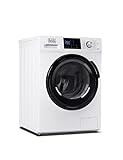
Overview: The BLACK+DECKER 2.7 Cu. Ft. All-in-One Washer and Dryer Combo solves space constraints in urban apartments and compact homes. Consolidating two appliances into a 23.4" x 23.1" x 33.5" footprint, this ventless unit features a stainless steel drum handling 26.5 lbs for washing and 13.2 lbs for drying. The LED display and 16 cycles—from Quick Wash to Sanitary—deliver comprehensive fabric care for singles and small families without requiring separate machines.
What Makes It Stand Out: The ventless 120V dryer plugs into standard outlets, eliminating 240V wiring and external venting. This design freedom allows kitchen, closet, or bathroom placement previously impossible for dryers. Sixteen specialized cycles include Wool, Baby Wear, and Sports Wear, rivaling full-size units. The transparent front lid enables real-time monitoring, while My Cycle memory stores personalized settings. This plug-and-go approach circumvents costly renovations.
Value for Money: At $1,027.02, this combo undercuts separate washer-dryer purchases ($1,500+) and eliminates installation costs ($200-$500). For renters prohibited from modifying infrastructure, the value is undeniable. While premium compared to basic washers, the dual functionality and installation flexibility justify the investment for space-restricted users who prioritize convenience over capacity.
Strengths and Weaknesses: Strengths include exceptional space efficiency, ventless operation, versatile cycles, and zero-installation convenience. The 120V compatibility opens unlimited location possibilities. Weaknesses involve lengthy combined cycles (3-6 hours), halved drying capacity requiring load splitting, and potential moisture in poorly ventilated spaces. The 160-lb weight demands careful positioning.
Bottom Line: Ideal for urbanites prioritizing space and convenience, this combo delivers in-unit laundry freedom without renovations. Accept longer cycle times as the trade-off for installation flexibility. Perfect for apartments, condos, and tiny homes where traditional setups are impractical.
2. Decorative Holiday Christmas Tree Coasters Set Silicones Dishwasher Safe Compacts Design Kitchen Essential Festives Kitchen Sink Countertops Mat

Overview: This Christmas Tree Coasters Set reimagines holiday kitchen accessories as multifunctional tools. Crafted from food-grade silicone with an ABS core, these trivets protect surfaces from heat while adding festive cheer. The tree-shaped design functions as coasters, trivets, or decorative accents for countertops and dining tables. Dishwasher-safe and stackable, the set promises year-after-year usability for families seeking practical seasonal decor.
What Makes It Stand Out: The whimsical Christmas tree silhouette distinguishes this from generic round trivets, doubling as decor and functionality. The multi-layer construction combines rigid ABS cores with flexible silicone edges, providing stability while protecting surfaces up to 450°F. Non-slip base grips prevent sliding on slick countertops, and the lightweight, stackable design enables compact storage in cramped urban kitchens. Child-safe materials offer peace of mind.
Value for Money: At $21.39, this set delivers exceptional value compared to disposable holiday placemats or single-use trivets. The durability ensures multiple seasons of use, amortizing the cost to under $7 annually over three years. Versatility as both functional heat protection and decorative elements eliminates separate purchases, maximizing utility in small spaces without cluttering budgets.
Strengths and Weaknesses: Strengths include festive aesthetics, food-grade safety, dishwasher convenience, and space-saving storage. The multi-use design adapts from hot pans to wine glasses seamlessly. Weaknesses involve limited size for oversized roasting pans and the specific holiday motif, which may clash with minimalist year-round decor. The bright design could feel out of place after December.
Bottom Line: A must-have for holiday enthusiasts and families seeking safe, festive kitchen accessories. The reasonable price, durable construction, and dual functionality justify the purchase. Store post-season or embrace the cheer year-round—either way, it protects surfaces with style.
3. Decorative Holiday Christmas Tree Coasters Set Silicones Dishwasher Safe Compacts Design Kitchen Essential Festives Kitchen Sink Countertops Mat

Overview: Transform your holiday hosting with this versatile Christmas Tree Coasters Set that merges safety, style, and space efficiency. Constructed from food-grade silicone reinforced with ABS cores, these trivets shield countertops and tables from heat damage while injecting festive spirit. The clever tree-shaped profile works as pot holders, drink coasters, or decorative mats for sinks and coffee bars. Their dishwasher-safe, stackable nature makes them ideal for urban apartments where storage is premium.
What Makes It Stand Out: The innovative layered construction delivers commercial-grade heat resistance in a playful design that stores flat. Unlike bulky wooden trivets, these flex slightly to grip uneven surfaces while the ABS interior prevents sagging under heavy Dutch ovens. The non-slip base adheres to marble, glass, and wood without adhesive residue. For city dwellers, the ability to stack ten pieces in a drawer versus a bulky basket is transformative.
Value for Money: Priced at $21.39, the set outperforms disposable alternatives and cheap plastic trivets that crack after one season. Investing in these reusable pieces reduces holiday waste and eliminates annual repurchasing. The multi-functionality means one product replaces separate coasters, trivets, and decorative mats, delivering triple value while occupying minimal space—a critical advantage for studio apartments.
Strengths and Weaknesses: Strengths encompass robust heat protection, easy-clean surfaces, child-safe materials, and featherlight storage. The design suits both intimate gatherings and large dinner parties. Weaknesses include limited coverage for extra-large cookware and the niche aesthetic that may not complement modernist interiors. Users seeking year-round neutrality might find the motif too specific.
Bottom Line: Perfect for urbanites and eco-conscious hosts wanting durable, festive kitchenware without storage sacrifice. The set combines practicality with holiday magic at an accessible price. Use them proudly through New Year’s, then tuck away effortlessly.
Understanding the 24-Inch Standard: What Makes a Washer Truly Compact
Why Size Matters in Urban Laundry Solutions
The 24-inch width isn’t arbitrary—it’s the sweet spot where genuine washing performance meets apartment-friendly dimensions. Unlike their 27-29 inch full-size counterparts, these machines are engineered specifically for spatial constraints while maintaining a drum capacity typically ranging from 2.2 to 2.5 cubic feet. For context, that’s enough to handle a queen-size comforter or a week’s worth of laundry for one to two people. The key is that manufacturers optimize every internal component, from the motor placement to the drum depth, to maximize usable space without bulking up the external footprint.
The Critical Difference Between Compact and Portable Washers
Don’t let marketing confuse you: “compact” and “portable” represent fundamentally different categories. Portable washers are typically top-loading units that connect to your kitchen faucet and roll away for storage—these are temporary solutions with limited capacity and basic functionality. True compact washers are front-loading, permanent installations that require dedicated plumbing and electrical connections, matching the performance standards of full-size machines. They demand commitment but deliver professional-grade results. If you’re a renter, this distinction becomes crucial when negotiating with landlords about modifications.
Space Optimization Strategies for Tiny Laundry Areas
Vertical Stacking vs. Side-by-Side Configurations
When floor space is at a premium, building upward becomes your best friend. Vertical stacking kits allow you to pair a compact washer with a matching dryer, occupying roughly 24x24 inches of floor space—about the same footprint as a small armchair. However, stacking isn’t always optimal. Side-by-side configurations under a counter can double as valuable workspace, and you won’t need a step stool to reach the dryer controls. Consider your physical comfort and how frequently you access the units when making this decision.
Creative Placement Ideas Beyond the Traditional Laundry Room
Urban apartments rarely feature dedicated laundry rooms, which means thinking outside the conventional box. That underutilized kitchen corner can accommodate a compact unit hidden behind cabinetry panels for a seamless look. Bathroom installations work surprisingly well, provided you have adequate ventilation and waterproof flooring. Some city dwellers even convert hallway closets by removing doors and adding ventilation—just ensure you maintain clear access for maintenance. The key is identifying 24 inches of width, 24-26 inches of depth, and roughly 70 inches of height clearance.
Key Performance Metrics That Actually Matter
Drum Capacity: Decoding the Cubic Foot Mystery
While 2.4 cubic feet might sound modest, modern compact washers use advanced drum designs with deeper pockets and optimized lifters to achieve cleaning performance that rivals larger machines. The real metric to watch is “usable capacity” versus “total capacity.” Some manufacturers inflate numbers by measuring the entire drum volume, but effective washing requires room for water and agitation. Look for models that specify their DOE (Department of Energy) capacity rating, which reflects realistic load sizes. For most urbanites, 2.2-2.5 cubic feet handles 15-18 pounds of laundry—perfect for weekly washing without overwhelming small-space drying solutions.
Spin Speed RPMs and Moisture Removal Efficiency
Spin speed directly impacts drying time, which is critical when you’re using a compact dryer or drying rack in a small apartment. Premium compact washers offer spin speeds between 1,200-1,600 RPM, extracting significantly more water than the standard 1,000-1,200 RPM range. This difference translates to 30-40% less drying time, saving energy and reducing humidity in your living space. However, higher speeds generate more vibration, making advanced suspension systems non-negotiable for second-floor apartments or buildings with strict noise policies.
Cycle Time Variations in Compact Models
Don’t assume smaller means faster. Compact washers often have longer cycle times than full-size machines because they use less water and require more precise temperature control. Normal cycles can range from 60 to 120 minutes depending on the model and settings. Quick wash cycles might complete in 15-30 minutes but sacrifice cleaning performance for speed. For busy urban professionals, delay start functions become invaluable, allowing you to schedule cycles during off-peak hours or when you’re away from home.
Essential Features Urbanites Should Prioritize
Delay Start Functions for Off-Peak Energy Savings
Many urban utility companies offer time-of-use pricing, making energy costs 30-50% cheaper during late-night or early-morning hours. A delay start function lets you load your washer after dinner but have it automatically begin at 11 PM when rates drop. This feature also helps avoid noise complaints by scheduling cycles when neighbors are less likely to be disturbed. Look for models offering 12-24 hour delay options with precise start-time control rather than preset intervals.
Noise Reduction Technology for Thin Walls
Apartment living means your laundry schedule affects others. Premium compact washers employ direct-drive motors (eliminating noisy belts), advanced insulation, and anti-vibration algorithms that detect and counterbalance uneven loads. The quietest models operate at 45-50 decibels during wash cycles—comparable to a quiet conversation. This technology isn’t just about courtesy; it prevents the structural vibrations that can travel through floor joists and walls, potentially causing damage in older buildings.
Vibration Control Systems That Protect Your Floors
Uncontrolled vibration is the enemy of apartment laundry. Modern compact washers use sophisticated suspension systems with multiple shock absorbers and load sensors that adjust spin patterns in real-time. Some models feature concrete counterweights and reinforced frames that add stability but also increase weight—consider this if you’re installing on upper floors. Always verify the machine’s installation requirements; some manufacturers mandate reinforced flooring or anti-vibration pads, especially for stacked configurations.
Smart Connectivity for Remote Monitoring
WiFi-enabled compact washers might seem like a luxury, but they solve real urban problems. Receive notifications when cycles complete so clothes don’t sit damp in shared spaces. Monitor energy usage to optimize your utility bills. Some apps even diagnose error codes, saving you from expensive service calls. In buildings where laundry access is shared or semi-public, remote monitoring prevents theft and ensures you retrieve clothes promptly.
Installation Considerations That Can’t Be Overlooked
Plumbing Requirements in Older Apartment Buildings
Pre-war buildings present unique challenges. Many lack dedicated laundry hookups, requiring you to tap into existing water lines. Compact washers typically need both hot and cold water connections with 3/4-inch threads, though some ventless models work with cold water only. Drainage often proves trickier—standing pipes must be 18-30 inches high to prevent siphoning, and some buildings prohibit connecting to kitchen or bathroom drains due to code restrictions. Always consult your building’s management and a licensed plumber familiar with NYC, SF, or Chicago apartment codes before purchasing.
Electrical Specifications: 110V vs. 220V Realities
Most compact washers run on standard 110V outlets, but ventless washer-dryer combos and some high-performance models require 220V. This becomes a dealbreaker in rentals where electrical upgrades are impossible. Even with 110V models, verify the amperage draw—some require dedicated 15-20 amp circuits. Older apartments often have limited electrical capacity, and overloading circuits can trip breakers or create fire hazards. Have an electrician assess your panel’s spare capacity before installation.
Ventless vs. Vented Drying Solutions
If you’re pairing with a dryer, ventless condenser or heat pump models eliminate the need for exterior ductwork—a huge advantage in apartments where cutting through walls is prohibited. Heat pump dryers use 50-60% less energy than condenser models but cost significantly more upfront. They also release less heat into your living space, crucial for small apartments without central air. However, ventless dryers have longer cycle times and require regular maintenance of lint filters and condenser units.
The Importance of Professional Measurement
That 24-inch width spec doesn’t account for installation clearance. You’ll need at least 1 inch on each side for ventilation and door swing, plus 4-6 inches behind for hoses and electrical connections. Measure doorways and hallways leading to the installation site—some compact washers have protruding control panels that won’t fit through narrow apartment doors. Professional installers will also check floor levelness; an uneven floor causes excessive vibration and can void warranties.
Energy and Water Efficiency: Saving Resources and Money
Understanding Energy Star Ratings for Compact Models
Energy Star certification for compact washers requires meeting strict criteria: using approximately 40% less water and 25% less energy than conventional models. Look for the yellow EnergyGuide label showing estimated annual operating costs. The most efficient compact washers use as little as 10-13 gallons per load compared to 40+ gallons for older full-size machines. In cities with high water costs, this efficiency can save $100-150 annually.
Water Usage: How Modern Compacts Compare to Full-Size
Compact washers achieve remarkable water efficiency through precise load sensing and spray technology. Advanced models weigh laundry and adjust water levels in real-time, using just enough water for optimal cleaning. This matters in urban areas with water restrictions or high utility rates. Some models feature recirculation pumps that filter and reuse water during cycles, cutting usage by an additional 20-30%. However, be aware that lower water usage requires high-efficiency (HE) detergent to prevent residue buildup.
The Impact of Load Sensing Technology
Load sensing isn’t just about water savings—it prevents the wear and tear that comes from underloading or overloading. The machine automatically adjusts cycle time, water temperature, and agitation intensity based on the weight and fabric type. This technology extends clothing life, crucial when you’re investing in quality pieces for a minimalist urban wardrobe. It also prevents the energy waste of running a full cycle for just a few items.
The Financial Equation: Total Cost of Ownership
Upfront Investment vs. Long-Term Savings
Quality compact washers range from $800 to $2,500, with premium features commanding higher prices. While it’s tempting to choose budget options, cheaper models often lack the vibration control and durability needed for apartment life. Calculate total cost of ownership: a $1,500 machine lasting 10 years costs $150 annually, while an $800 unit needing replacement after 4 years costs $200 annually plus installation hassles. Factor in utility savings—efficient models can pay for themselves through reduced water and energy bills within 5-7 years.
Warranty Considerations for Apartment-Friendly Models
Standard warranties cover 1 year parts and labor, but premium manufacturers offer extended coverage on motors, drums, and control boards—critical components in compact machines where parts are specialized and expensive. Look for brands providing in-home service, as transporting a 150-pound washer from a fourth-floor walk-up is impractical. Some warranties become void if the machine is used in multi-family dwellings, so read the fine print carefully. Extended warranties can be worthwhile for compact models given their complex electronics and specialized parts.
Hidden Costs: Pedestals, Hoses, and Installation Fees
The sticker price rarely tells the full story. Stacking kits cost $50-150, anti-vibration pads run $30-80, and replacement hoses (which you should buy new) add $30-50. Professional installation typically costs $150-300, more if plumbing modifications are needed. Some buildings require water leak protection systems or drain pans, adding another $100-200. Factor these costs into your budget upfront to avoid surprises that derail your laundry dreams.
Maintenance in Confined Spaces
Cleaning and Care Routines for Compact Units
Compact washers require more frequent maintenance than full-size models due to their tight internal components. Run a cleaning cycle with Affresh or white vinegar monthly to prevent mold and mildew—critical in small apartments where odors travel fast. Clean the door gasket weekly, wiping away moisture and debris. Leave the door ajar between cycles to promote air circulation. For ventless dryers, clean the condenser unit every 2-3 months; clogged condensers reduce efficiency by 30-40% and can cause overheating.
Troubleshooting Common Issues Without a Service Call
Many compact washer issues stem from installation problems rather than mechanical failures. Excessive vibration often means the unit isn’t level—adjust the feet and check with a bubble level. Error codes related to drainage usually indicate a clogged filter or improperly installed drain hose. Keep your manual accessible (or download the PDF) and learn to reset the machine’s control board, which resolves 50% of electronic glitches. For machines with diagnostic modes, run these before calling for service—they can pinpoint issues saving you a $100+ service fee.
When to Call a Professional vs. DIY Solutions
Know your limits. Water leaks, electrical issues, and control board failures require licensed professionals, especially in rental buildings where your work could affect other units. However, you can safely replace door seals, clean filters, and level machines yourself. Document any maintenance you perform with photos and dates—this protects your warranty and provides evidence if building management questions modifications. Never attempt to bypass safety features like lid locks or overflow sensors; these exist to protect your home and security deposit.
Frequently Asked Questions
Can I install a compact washer in a rental apartment without permanent modifications?
Most installations require some permanent changes like adding water line T-valves or drain connections, which technically violate many leases. However, many landlords approve professional installations that can be reversed when you move out. Always get written permission and consider offering to restore the unit to original condition upon move-out. Some ventless combo units can use existing sink connections with minimal modification, but these still require landlord approval.
How much laundry can I realistically wash in a 2.4 cubic foot compact washer?
Expect to wash 12-15 pounds of laundry per load, which translates to roughly 12-15 t-shirts, 5-6 pairs of jeans, or a week’s worth of clothes for one person. Bulky items like king-size comforters won’t fit, but queen-size typically will. The key is not overloading—these machines need room for proper agitation. Underloading wastes water and energy, so aim for full but not packed loads.
Will a compact washer increase my electricity bill significantly?
Actually, a quality compact washer will likely decrease your overall laundry costs. They use 60-70% less water and 30-40% less energy per load than full-size machines. For a single person doing 3-4 loads weekly, expect an increase of $3-5 monthly on your electricity bill but a decrease of $5-8 on water costs. The net savings become more substantial in cities with high utility rates or if you’re currently using laundromats.
Are ventless dryers really effective in humid climates?
Ventless dryers work in humid climates but require longer cycle times and good room ventilation. Heat pump models excel here because they don’t add significant heat to your living space. In a small apartment, run the dryer with a window cracked or bathroom exhaust fan on to remove moisture. Expect 90-150 minute cycles for a full load—planning ahead becomes essential. Some users prefer line-drying most items and using the dryer only for towels and sheets.
What should I do if my building has low water pressure?
Low water pressure (below 20 PSI) prevents compact washers from filling properly, triggering error codes. Install a booster pump if your lease allows, or choose models with manual water level settings that override automatic sensors. Some advanced machines have pressure sensors that adapt to low-flow conditions. Test your water pressure with a $10 gauge before purchasing—this simple step prevents major headaches.
How do I prevent mold and mildew in a compact washer with no external ventilation?
Mold prevention requires diligence: wipe the door gasket after each use, leave the door open 2-3 inches between cycles, and run a monthly cleaning cycle with bleach or specialized cleaner. Store detergent in a dry place and use HE formulas only. Consider placing a small dehumidifier near the washer if your apartment struggles with moisture. Some newer models feature antimicrobial gaskets and automatic drum drying cycles that circulate air after washing.
Is stacking a compact washer and dryer safe on upper floors?
Yes, when done correctly. The combined weight (250-300 pounds) requires a reinforced floor in some older buildings. Always use manufacturer-approved stacking kits—not generic brackets. These kits include anti-tip restraints and vibration dampeners. Place the unit against a load-bearing wall if possible, and ensure the floor is perfectly level. Some buildings require engineering approval for stacked installations, so check with management first.
Can I wash pet bedding and heavily soiled items in a compact washer?
Yes, but with precautions. Shake out pet hair thoroughly before washing—compact drain pumps clog more easily than full-size. Use a pre-wash cycle and choose models with pet hair removal features like specialized filters. For heavily soiled items, avoid overloading and consider a second rinse cycle. Some compact washers offer “sanitize” cycles reaching 170°F, perfect for pet bedding but requiring longer cycle times.
What’s the lifespan difference between compact and full-size washers?
Quality compact washers last 8-12 years with proper maintenance, slightly less than full-size models’ 10-15 year lifespan. The difference stems from compact machines running more cycles per year (since loads are smaller) and having more complex engineering packed into tight spaces. Regular maintenance is more critical for longevity. Units with stainless steel drums and direct-drive motors typically outlast those with plastic components and belt-driven systems.
Do I need special detergent for compact washers?
Absolutely. High-Efficiency (HE) detergent is mandatory—regular formulas create excessive suds that can overflow and damage electronic components. Use only 1-2 tablespoons per load; compact washers need far less detergent due to lower water usage. Liquid HE detergent often performs better than powder in these machines, as it dissolves completely in low-water conditions. Some brands offer compact-specific formulas, but any quality HE detergent works when used sparingly.