Tired of watching your energy bills climb every time you run the dryer? Or perhaps you’re frustrated by clothes that emerge stiff, overheated, or smelling faintly of static? Traditional vented dryers have dominated laundry rooms for decades, but their reliance on brute-force heating and constant expulsion of moist air is increasingly at odds with modern demands for efficiency and sustainability. Enter heat pump dryer technology—a quiet revolution that reimagines the entire drying process by recycling heat instead of wasting it. Unlike conventional models that simply blast hot air through your laundry and send it outdoors, these innovative appliances operate like a closed-loop system, capturing and reusing thermal energy to dry clothes at lower temperatures. The result? Dramatically reduced energy consumption without sacrificing performance, making them a compelling upgrade for eco-conscious households seeking smarter ways to handle laundry day.
But let’s be clear: diving into the world of heat pump dryers isn’t as simple as swapping out your old machine. These units operate on fundamentally different principles, which means your expectations around drying times, installation flexibility, and even fabric care need a reset. Many shoppers overlook critical nuances—like how capacity ratings can be misleading or why sensor technology matters more than sheer wattage—and end up frustrated when reality doesn’t match the marketing hype. This guide cuts through the noise to give you the unvarnished truth about what makes these dryers tick, how to align their features with your actual lifestyle, and where to focus your attention during the buying process. Forget generic advice; we’re drilling into the engineering, physics, and real-world usability factors that transform a “good” purchase into the perfect long-term solution for your home.
Top 10 Heat Pump Dryers for Home Use
Detailed Product Reviews
1. Samsung 4.0 Cu Ft Heat Pump Dryer, Compact Clothes Drying Machine, Stackable for Small Spaces w/Sensor Dry, 12 Preset Cycles, 40 Minute Express Dry, DV25B6900HW/A2, White
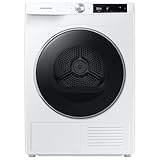
Overview:
This compact Samsung heat pump dryer (4.0 cu ft) targets space-constrained homes with its stackable design. It eliminates venting needs and prioritizes energy efficiency and fabric care through advanced technology, appealing to eco-conscious users seeking convenience in small living areas.
What Makes It Stand Out:
Samsung’s heat pump technology significantly reduces energy use by recycling warm air instead of expelling it, while the standout 40-Minute Express Cycle delivers quick drying for small loads. Sensor Dry prevents over-drying damage, and Smart Care enables smartphone-based troubleshooting. The 12 preset cycles cater to diverse fabrics, enhancing versatility.
Value for Money:
Priced premium, it justifies cost through long-term energy savings (up to 50% less energy than vented models) and durability. While pricier upfront than basic vented dryers, its efficiency and smart features offer better lifetime value for frequent users in apartments or condos where venting is impossible.
Strengths and Weaknesses:
Strengths: Exceptional energy efficiency; fast 40-minute cycle; intuitive Smart Care app; gentle on fabrics; compact stackable design.
Weaknesses: Higher initial cost; requires 240V outlet (not included); smaller capacity than full-size units; app connectivity can be inconsistent.
Bottom Line:
Ideal for tech-savvy urban dwellers needing a space-saving, eco-friendly solution. Despite the steep entry price, its energy savings and smart features make it a worthwhile investment for small-space laundry.
2. Midea MLE25H7BWW Heat Pump, Ventless Front Load Dryer Stackable Washing Machine, Energy Efficient and Space Saving, 4.4 Cu.ft, White

Overview:
Midea’s 4.4 cu ft ventless heat pump dryer offers a practical, ENERGY STAR-certified solution for apartments or紧凑 spaces. Its 24-inch width allows easy stacking with compatible washers, prioritizing installation flexibility and energy savings without requiring external venting.
What Makes It Stand Out:
The ventless design simplifies installation in closets or under counters, while the humidity sensor auto-adjusts drying time to prevent over-drying. The Wrinkle Care feature (90-minute post-cycle tumbling) reduces ironing needs. A 28% energy reduction claim versus standard dryers highlights its efficiency.
Value for Money:
Competitively priced for heat pump technology, it delivers strong value through lower utility bills and elimination of venting costs. Though 240V wiring may incur installation fees, long-term savings surpass budget vented alternatives, especially in rental properties where venting isn’t feasible.
Strengths and Weaknesses:
Strengths: True ventless installation; ENERGY STAR efficiency; effective wrinkle reduction; spacious 4.4 cu ft drum; quiet operation.
Weaknesses: Power cord sold separately; 240V requirement complicates setup; fewer smart features than competitors; basic interface.
Bottom Line:
A reliable, no-frills choice for renters or small homes prioritizing ease of installation and energy savings. Its robust performance and wrinkle care justify the investment for space-limited households.
3. KoolMore 24" Electric Ventless Heat Pump Dryer, 4.4 Cu. Ft., For Small Home or Apartment, Stackable Unit, Wrinkle Prevention with Sensor Dry Technology, 16 Drying Cycles [White] [240V] (FLD-5CWHP)
![KoolMore 24" Electric Ventless Heat Pump Dryer, 4.4 Cu. Ft., For Small Home or Apartment, Stackable Unit, Wrinkle Prevention with Sensor Dry Technology, 16 Drying Cycles [White] [240V] (FLD-5CWHP)](https://m.media-amazon.com/images/I/41KRowuKmiL._SL160_.jpg)
Overview:
KoolMore’s 4.4 cu ft ventless dryer targets apartment dwellers with its stackable 24-inch footprint and heat pump efficiency. It emphasizes fabric versatility—handling wool, delicates, and baby clothes—while ENERGY STAR certification promises reduced operating costs.
What Makes It Stand Out:
Sixteen drying cycles offer exceptional customization for niche fabrics, outpacing many rivals. The zinc-coated drum improves heat retention and airflow, while Sensor Dry prevents shrinkage. Its compact size (23.4"x24.3") suits tight spaces better than bulkier models.
Value for Money:
Mid-range pricing balances advanced features with affordability. The zinc drum and extensive cycles provide premium fabric care at a lower cost than Samsung or LG. Energy savings offset the 240V installation expense, making it cost-effective for frequent use in rentals.
Strengths and Weaknesses:
Strengths: 16 specialized cycles; durable zinc-coated drum; strong wrinkle prevention; compact stackable design; ENERGY STAR rated.
Weaknesses: Basic app integration; 240V cord not included; limited customer support visibility; no express-dry highlight.
Bottom Line:
Best for fabric-sensitive users in small spaces needing versatile drying cycles. Its drum quality and cycle variety deliver standout value, though tech enthusiasts may prefer smarter competitors.
4. Techomey 4.4 Cu.Ft Ventless Heat Pump Clothes Dryer, 24" Compact 120/240V Electric Front Load Drying Machine, Stackable for Small Spaces, Apartment, White

Overview:
Techomey’s dual-voltage (120V/240V) heat pump dryer combines rare electrical flexibility with ventless convenience in a 4.4 cu ft capacity. Designed for apartments, it emphasizes extreme energy savings and fabric protection through precise temperature control.
What Makes It Stand Out:
A claimed 66.7% energy reduction—surpassing industry averages—and dual-voltage compatibility (unique in this segment) are key differentiators. Its two-way temperature control maintains air below 50°C, safeguarding delicate fibers, while 16 auto-sensing cycles prevent over-drying.
Value for Money:
Aggressive energy savings justify its price, especially with lower-voltage operation reducing installation hurdles. However, the mandatory water tank emptying after every cycle adds maintenance friction. Still, it outperforms standard dryers in lifetime cost for eco-focused buyers.
Strengths and Weaknesses:
Strengths: Dual-voltage support; industry-leading 66.7% energy cut; gentle 50°C max temp; 16 smart cycles; stackable design.
Weaknesses: Requires post-cycle water tank emptying; lint filter cleaning is non-negotiable; basic build quality; adapter needed for 3-prong outlets.
Bottom Line:
A top pick for energy obsessives in voltage-limited spaces, but the water tank routine may deter convenience-focused users. Prioritize it only if ultra-low running costs outweigh minor maintenance demands.
5. Euhomy Compact Laundry Dryer, 3.5 cu ft Front Load Stainless Steel Clothes Dryers With Exhaust Pipe, 1500W, LCD Control Panel Four-Function Portable Dryer For Apartments, Home, Dorm, White

Overview:
Unlike ventless competitors, Euhomy’s 3.5 cu ft portable dryer uses an exhaust pipe and 1500W heating for faster drying. Its 110V operation, LCD controls, and stainless steel drum target dorms or rentals where ventless installation isn’t possible, prioritizing portability over efficiency.
What Makes It Stand Out:
The dual-direction “flip function” tumbles clothes more thoroughly to reduce wrinkles and drying time. Four specialized modes (Strong, Intelligent, ECO, Normal) and a transparent window offer user control rare in compact units. ETL/DOE certifications assure safety for portable use.
Value for Money:
Budget-friendly upfront, but higher energy use than heat pump models increases long-term costs. Ideal for short-term needs (dorms, temporary housing) where portability and 110V compatibility trump efficiency. Not cost-effective for daily heavy use.
Strengths and Weaknesses:
Strengths: 110V plug-and-play; portable with handle; fast drying via 140°F heat; intuitive LCD; excellent wrinkle reduction.
Weaknesses: Requires exhaust hose (limits placement); higher energy consumption; smaller capacity (3.5 cu ft); noisy operation.
Bottom Line:
Perfect for students or renters needing a movable, no-install dryer—but heat pump alternatives are superior for permanent, eco-friendly setups. Choose only if venting is feasible and portability is critical.
6. Chamixx 3/8’’ Bi-Flow SAE Sweat Liquid Line Filter Drier Heat Pump SFK-083S 92070 for Refrigerant HCFC HFC Straight Cool Air Conditioners R502 R507 R404A from 1 to 5 Tons

Overview:
This industrial-grade filter drier (SFK-083S 92070) is engineered for HVAC/R systems, handling refrigerants like R410A, R22, and R404A across 1–5 ton heat pumps and air conditioners. It removes moisture and contaminants from refrigerant lines to prevent system failures.
What Makes It Stand Out:
Its bi-flow design allows installation in either direction, simplifying servicing. Compatibility with nearly all common refrigerants (including HCFC/HFC blends) and a robust 680 Psig pressure rating make it versatile for professional technicians. The SAE sweat connection ensures secure, leak-proof joints.
Value for Money:
Priced competitively for commercial use, it prevents costly compressor damage by maintaining system integrity. While cheaper alternatives exist, they often lack this breadth of refrigerant compatibility and pressure tolerance, justifying the investment for HVAC specialists.
Strengths and Weaknesses:
Strengths: Universal refrigerant compatibility; high-pressure resilience; 1-year replacement warranty; simplifies installations with bi-flow capability. Weaknesses: Not user-friendly for DIYers (requires brazing skills); limited documentation for first-time users; niche application outside professional settings.
Bottom Line:
An essential, reliable component for HVAC technicians servicing diverse cooling systems. Its durability and broad compatibility offer strong value, though strictly recommended for professional installation due to technical requirements.
7. Samsung 4.0 cu. ft. Heat Pump Dryer with AI Smart Dial and Wi-Fi Connectivity, White, DV25FG62B0BEA2
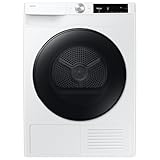
Overview:
Samsung’s ventless heat pump dryer combines energy efficiency with smart features in a 4.0 cu. ft. capacity. Designed for homes without external vents, it uses lower temperatures to gently dry clothes while cutting energy consumption.
What Makes It Stand Out:
The AI Smart Dial learns user preferences and suggests cycles, while Wi-Fi connectivity enables remote monitoring via the SmartThings app. ENERGY STAR certification ensures 50% less energy use than vented models, and Sensor Dry prevents over-drying by auto-adjusting time/temperature.
Value for Money:
Though pricier upfront than conventional dryers, long-term energy savings (up to $100/year) offset costs. The ventless design eliminates complex installation fees, and AI features enhance convenience, making it a worthwhile investment for eco-conscious households.
Strengths and Weaknesses:
Strengths: Exceptional energy efficiency; intuitive AI customization; flexible ventless installation; app-controlled convenience; gentle on fabrics. Weaknesses: Longer drying cycles than gas dryers; premium price tag; app setup can be glitchy for non-tech users.
Bottom Line:
A top-tier choice for sustainable, hassle-free drying. Ideal for apartment dwellers or green-focused consumers, despite higher initial costs, thanks to smart features and significant utility savings.
8. 3pcs Dryer Filters 2964840100 for Beko Grundig Elektra Bregenz Blomberg DSX83410W DE8635RX Tumble Dryer Heat Pump Dryer ponge Foam Filter Spare Parts(240X150X12MM)
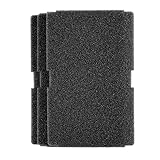
Overview:
This 3-pack of sponge foam filters (240x150x12mm) replaces part #2964840100 for Beko, Grundig, and Blomberg heat pump dryers. Designed to trap lint and bacteria, they maintain airflow efficiency and hygiene in compatible models.
What Makes It Stand Out:
High-density sponge material effectively captures micro-debris, extending dryer lifespan. The 60-day replacement recommendation (per health guidelines) emphasizes its role in preventing mold and fire hazards, a critical yet often overlooked maintenance step.
Value for Money:
At a low cost per filter, regular replacements are affordable insurance against costly repairs. Cheaper generic filters may degrade faster, but these offer OEM-equivalent performance, making them a practical buy for model-specific owners.
Strengths and Weaknesses:
Strengths: Precise fit for listed brands; health-focused replacement schedule; robust sponge filtration; 3-pack offers extended coverage; hassle-free return policy. Weaknesses: Compatibility limited to specific European brands; no visual indicators for replacement timing; compressed packaging requires expansion time.
Bottom Line:
A necessary, budget-friendly maintenance item for owners of compatible dryers. Prioritize timely replacements to safeguard efficiency and indoor air quality—ideal for proactive users.
9. Electric Clothes Dryer 800W Portable Ventless Air Clothing Drying Machine Foldable Fast Garment Dryer for Home Dorm Travel US Plug 19.69 x 19.69 x 35.43 inch

Overview:
This compact, foldable electric dryer (800W) uses hot air (up to 60°C) to dry small loads quickly. Targeted at travelers, dorm residents, or small-space dwellers, it includes hangers and fits in tight areas when collapsed.
What Makes It Stand Out:
Its portability and ventless design stand out—no installation needed, and it folds to a slim profile. The 30–180-minute timer, dust-proof enclosure, and wrinkle-reducing airflow cater to on-the-go users needing discreet, efficient drying.
Value for Money:
Inexpensive compared to full-sized dryers, it’s cost-effective for light-duty use (e.g., underwear, kids’ clothes). While not a primary dryer replacement, it excels as a supplementary solution for rentals or travel, justifying its sub-$50 price.
Strengths and Weaknesses:
Strengths: Ultra-portable and space-saving; simple plug-and-play operation; gentle on fabrics; doubles as a wardrobe. Weaknesses: Unsuitable for large/bulky items; slower for thick fabrics; limited capacity (best for 1–2 garments); lacks advanced sensors.
Bottom Line:
A smart buy for targeted drying needs in constrained spaces. Best as a secondary dryer for quick touch-ups—skip if you regularly dry full loads.
10. The Lord of the Tools 2Pcs Foam Sponge Filters Replacement 481010716911 8015250474909 Compatible with Whirlpool Filters Heat Pump Dryer Filter 230x115x 14mm
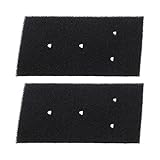
Overview:
This 2-pack of PU sponge filters (230x115x14mm) replaces Whirlpool part numbers 481010716911/8015250474909. Designed for heat pump dryers, they capture lint to maintain airflow and prevent overheating.
What Makes It Stand Out:
The compressed packaging ensures safe shipping, expanding to full size post-unboxing. PU sponge offers superior durability over basic foam, resisting compression fatigue during drying cycles—key for sustained efficiency in Whirlpool models.
Value for Money:
Affordable at ~$10 for two filters, it’s a minimal-cost safeguard against dryer damage. OEM filters cost 2–3x more, yet these deliver comparable lint-trapping performance, making them a budget-savvy maintenance essential.
Strengths and Weaknesses:
Strengths: Exact Whirlpool compatibility; durable PU material; easy installation; prevents fire risks from lint buildup; value-focused 2-pack. Weaknesses: Requires manual expansion after unboxing; no antimicrobial coating; limited to specific Whirlpool units.
Bottom Line:
A no-fuss, economical solution for Whirlpool dryer owners. Replace filters every 2–3 months to optimize performance—highly recommended for routine upkeep.
Understanding Heat Pump Dryer Technology
How Heat Pump Dryers Differ from Traditional Models
Unlike conventional electric or gas dryers that generate heat continuously and vent moist air outside, heat pump dryers create a sealed drying environment. They use refrigerant cycles—similar to those in air conditioners or refrigerators—to absorb moisture from the air, cool it to condense the water, then reheat and recirculate the dry air. This closed-loop process eliminates the need for external venting in most cases and avoids constantly drawing in cold room air for reheating, which is where traditional models hemorrhage efficiency. The outcome is a gentler drying experience that operates at lower temperatures, significantly reducing wear on fabrics while slashing energy use by up to 50% compared to standard electric dryers.
The Energy Efficiency Breakdown
Heat pump dryers achieve their remarkable efficiency by reusing heat instead of discarding it after a single pass. While a traditional dryer might convert 100% of electrical energy into heat but lose most of it through exhaust, a heat pump system recaptures up to 80% of that heat for reuse. This isn’t just theoretical—third-party energy ratings like ENERGY STAR often show these units consuming half the kilowatt-hours per load. Crucially, efficiency isn’t static; it peaks when drying full (but not overloaded) loads, as the system leverages the thermal mass of the laundry itself. However, colder ambient room temperatures can slightly reduce efficiency, so placement in a heated space matters more than with vented models.
Environmental Impact and Sustainability Factors
Beyond your utility bill, heat pump dryers offer tangible environmental benefits by directly reducing carbon emissions associated with electricity generation. Since they use less power, they decrease demand on fossil fuel-dependent grids, especially during peak hours. Additionally, their lower operating temperatures minimize microfiber shedding—a hidden pollutant from synthetic fabrics—by preventing aggressive tumbling and overheating. The absence of external vents also eliminates the risk of lint buildup in ductwork, which can become a fire hazard and requires regular cleaning in traditional systems. For eco-minded consumers, this combination of reduced emissions, fabric preservation, and safety makes them a standout choice in sustainable home appliances.
The Science Behind Moisture Removal
At the heart of every heat pump dryer is a dual-phase moisture extraction process. First, warm, damp air from the drum passes over an evaporator coil, chilling it to the dew point so moisture condenses into water. That water is then drained or collected in a tank. The now-dehumidified air moves to a condenser coil, where recovered heat from the refrigerant cycle reheats it before it re-enters the drum. This thermodynamic loop allows the system to maintain optimal humidity levels without external air intake, enabling precise moisture control. The result is evenly dried laundry without the “half-wet, half-shrunk” syndrome common in older dryers that rely on timed cycles alone.
Key Features to Evaluate
Drying Programs and Customization Options
Modern heat pump dryers offer specialized cycles far beyond basic “cottons” or “delicates.” Look for adaptive programs that adjust time and temperature based on load composition—like “synthetics” for quick-dry performance on polyester or “wool” for low-heat tumbling that prevents felting. Some units include “anti-crease” settings that periodically tumble clothes post-cycle to avoid wrinkles, while others feature “refresh” modes using minimal heat to revive stored garments. Crucially, verify whether customization extends to user-adjustable parameters like end-of-cycle humidity targets; this flexibility prevents over-drying and accommodates unique household needs, from baby clothes to performance athletic wear.
Sensor Technology and Smart Drying Capabilities
Advanced moisture sensors are non-negotiable for optimal performance. Unlike timer-based systems, these measure actual humidity levels inside the drum to determine when clothes are dry—ending the cycle precisely to save energy and prevent damage. High-end models incorporate multiple sensors (e.g., in the drum and exhaust path) for redundancy and accuracy, while some integrate weight sensors to auto-adjust cycle length based on load size. For tech-savvy users, Wi-Fi connectivity can enable remote monitoring, maintenance alerts, or energy usage tracking via smartphone apps, though reliability varies widely between brands. Always prioritize sensor quality over gimmicky smart features; inaccurate sensing negates the core efficiency benefits of heat pump technology.
Noise Levels and Vibration Control
Heat pump dryers inherently operate quieter than traditional models due to lower airflow speeds and the absence of powerful exhaust fans. However, noise profiles still differ significantly. Units with inverter-driven compressors typically produce a steady, low hum (around 60-65 dB), while cheaper alternatives might generate disruptive compressor cycling sounds. Vibration control is equally critical: check for robust suspension systems, anti-vibration pads, and balanced drum designs, especially if installing on upper floors or near living spaces. Some models even include “night mode” settings that further reduce noise by extending cycle times—ideal for apartments or open-plan homes where laundry runs during evening hours.
Drum Design and Material Quality
The drum’s construction directly impacts fabric care and longevity. Stainless steel drums resist corrosion from moisture and detergent residue far better than painted metal, ensuring smooth operation for a decade or more. Perforation size and pattern also matter; smaller, laser-cut holes minimize snags on delicate weaves, while larger openings improve airflow for bulky items like towels. Ergonomic details like rounded drum edges prevent “tumbling jams” that cause uneven drying, and interior lighting—often overlooked—makes it easier to locate stray socks or hair ties. Always inspect drum quality in person if possible; thin, flimsy materials can warp over time, creating noise and reducing efficiency.
Sizing and Capacity Considerations
Matching Dryer Capacity to Household Needs
Capacity isn’t just about cubic feet—it’s about aligning with your laundry habits. A 7kg (15 lb) drum suits singles or couples with light laundry loads, while families of four+ should consider 9kg (20 lb) or larger to handle bedding and multiple garment types per cycle. Crucially, heat pump dryers require more “air space” than vented models for effective moisture circulation; overloading by even 20% can double drying times and strain the system. Measure your typical loads: if you frequently dry king-sized comforters or multiple bath towels simultaneously, prioritize capacity over compactness. Remember, a slightly larger drum used at 70-80% capacity will outperform a maxed-out smaller unit every time.
Physical Dimensions and Space Constraints
Heat pump dryers often have deeper footprints than traditional vented units due to internal heat exchangers and condensate systems. Standard widths remain 60cm (24"), but depth can exceed 65cm (26"), making cabinet integration tricky in tight spaces. Stackable models (paired with compatible washers) save floor area but require reinforced cabinetry and may limit access to maintenance points. For under-counter installations, verify clearance requirements for heat dissipation—most units need 5-10cm of space at the back and sides to prevent overheating. Always measure your intended space with tape, not just the specs sheet; protruding hoses, control panels, or door swing arcs can turn a “perfect fit” into a logistical headache.
Load Weight Limits and Performance
While capacity is measured in volume, weight is the silent performance killer. Exceeding maximum load weights (typically 7-8kg for synthetics, 9-10kg for cottons) stresses the motor and compressor, leading to longer cycles and premature wear. Wet fabrics are deceptively heavy—a fully loaded 9kg drum of cottons can weigh over 18kg when wet. Check if the manufacturer specifies weight limits per fabric type, not just total capacity. Performance also dips with very small loads; some units include “half-load” sensors to adjust airflow, but others may underperform with single garments. For optimal efficiency, aim to dry loads that fill 2/3 of the drum without compression.
Venting Requirements (or Lack Thereof)
One of heat pump dryers’ biggest advantages is flexible installation—they rarely need external vents. Most models use a condensate tank that collects extracted water (emptied every 1-2 cycles) or allow permanent drainage via a hose to a sink/floor drain. However, not all “ventless” claims are equal: some require minimal airflow assistance, so verify if your space meets ambient temperature minimums (usually 5°C/41°F+). For vented-capable hybrid models, ensure the exhaust port faces the correct direction for your layout. Crucially, avoid placing the unit in unheated garages or basements where cold intake air cripples efficiency; these dryers thrive in climate-controlled environments, unlike their vented counterparts.
Installation and Maintenance Requirements
Setup Complexity for DIY Installation
While heat pump dryers eliminate complex venting, other setup hurdles exist. Most require a dedicated 15-20 amp circuit (check voltage compatibility—230V in Europe, 120V in North America), and permanent drain hose installation demands basic plumbing skills like securing hose clamps and avoiding kinks. Leveling the unit is critical; uneven surfaces cause excessive vibration and alignment issues. DIYers should budget 2-3 hours for a drain-connected setup versus 45 minutes for a simple tank model. If your laundry area lacks nearby drainage, consider a condensate pump attachment—but factor in its noise and maintenance. When in doubt, professional installation prevents voided warranties from improper electrical connections.
Water Evaporation Systems vs. Drain Hoses
Most heat pump dryers handle extracted water via two methods: a removable tank (typically 4-6L capacity) or a continuous drain hose. Tanks offer portability but require manual emptying after each cycle—a nuisance for large households. Drain hoses provide set-and-forget convenience but need a floor drain or sink connection within 1-2 meters; longer runs risk siphoning issues or hose kinks. Some premium models feature “auto-evaporation,” where residual heat evaporates trace moisture, reducing tank frequency—but this only works in well-ventilated rooms above 15°C (59°F). Prioritize drain compatibility if you hate tank-emptying; otherwise, choose larger-capacity tanks (5L+) to minimize interruptions.
Filter Cleaning and Regular Maintenance Tasks
Lint filters in heat pump dryers are more intricate than traditional models, often featuring dual compartments (drum exit and condenser intake). Neglecting these causes airflow blockages that tank efficiency—clean them after every cycle with a soft brush under running water. Monthly, inspect the condenser unit (usually behind a front panel) for fluff buildup; this hidden component is critical for heat exchange and takes 10 minutes to wipe down. Annually, descale the internal water system using manufacturer-recommended solutions to prevent mineral deposits from hard water. Skipping these steps can increase drying times by 30% and trigger error codes, so treat maintenance like brushing your teeth—non-negotiable for longevity.
Longevity and Common Wear Points
Heat pump dryers typically last 10-15 years with proper care, outpacing traditional electric dryers (8-12 years) due to lower operating temperatures. However, they introduce unique failure points: the refrigerant compressor (the heart of the system) can fail if overheated from poor ventilation, while plastic condensate tanks may crack from repeated handling. Inverter-driven motors are generally more reliable than brushed alternatives but cost more to repair. To maximize lifespan, ensure 10cm clearance around the unit for airflow, avoid overloading, and replace worn door seals promptly to maintain the closed-loop integrity. Budget for eventual compressor servicing—it’s the most expensive fix but often avoidable with diligent maintenance.
Cost Analysis and Long-Term Value
Upfront Cost Comparison with Other Dryer Types
Heat pump dryers command a 20-40% premium over comparable vented electric models, with entry-level units starting around $800 versus $600 for basic vented options. Gas dryer hybrids (where available) may undercut them initially, but heat pumps close the gap through operational savings. Crucially, avoid “budget” heat pump models under $700—they often cut corners on compressor quality or sensor accuracy, leading to higher lifetime costs. Frame the investment as paying for engineering: the added expense covers the refrigerant loop, dual heat exchangers, and precision controls that enable efficiency. For most households, the break-even point arrives within 3-5 years via energy savings, making mid-range ($900-$1,200) units the sweet spot for value.
Calculating Long-Term Energy Savings
Don’t just compare sticker prices—model your actual savings. A heat pump dryer using 1.5 kWh per load versus a standard electric’s 3.5 kWh saves 2 kWh per cycle. At $0.15/kWh, that’s $0.30 per load. For a family doing 6 loads weekly, annual savings hit $93.60—enough to offset the initial price gap in under five years. But savings multiply in colder climates where vented dryers work harder to heat incoming air. Use your utility’s off-peak rates if applicable; heat pumps excel during low-tariff hours due to their slower, cooler cycles. Always factor in local electricity costs—savings accelerate where power exceeds $0.20/kWh. Over a decade, these machines often deliver $500+ in net savings despite the higher upfront cost.
Warranty Coverage and Reliability Indicators
Warranties reveal manufacturer confidence: robust models offer 2-5 years on the compressor (the costliest component) versus standard 1-year parts/labor coverage. Extended compressor warranties often require online registration, so check fine print. Look for brands publishing Mean Time Between Failures (MTBF) data—reputable ones exceed 10,000 hours. Avoid units where critical parts like control boards aren’t user-replaceable; modular designs cut repair costs. Third-party reliability ratings from consumer labs (not retailer reviews) help spot patterns—e.g., certain brands have condenser clogging issues in hard-water areas. A solid warranty paired with accessible service networks trumps a low price; it’s insurance against six-figure repair bills down the line.
Resale Value and Market Trends
As energy regulations tighten globally (like the EU’s Ecodesign Directive), heat pump dryers are becoming the de facto standard, boosting their resale appeal. Homes marketed with “energy-efficient laundry systems” attract eco-conscious buyers willing to pay premiums. Unlike vented dryers, which face obsolescence in new-build regulations, heat pumps align with net-zero trends—expect demand (and residual value) to rise as carbon taxes increase. However, resale value hinges on model age; units over 7 years old depreciate faster due to advancing inverter tech. For future-proofing, prioritize brands actively innovating in heat pump efficiency (e.g., dual-compressor systems) rather than legacy players clinging to older designs.
Frequently Asked Questions
What makes heat pump dryers more energy-efficient than regular dryers?
Heat pump dryers recycle heat within a closed system instead of expelling it outdoors, reusing up to 80% of thermal energy per cycle. This reduces electricity consumption by 30-50% compared to traditional vented models that constantly generate new heat.
Do heat pump dryers take significantly longer to dry clothes?
Yes, cycles typically run 20-40% longer than conventional dryers due to lower operating temperatures. However, this trade-off preserves fabric integrity and energy use, and modern sensors prevent unnecessary over-drying that negates time savings.
Can I install a heat pump dryer in an unventilated closet?
No—while they don’t require external vents, these units need ambient room temperatures above 5°C (41°F) and adequate airflow around the machine (5-10cm clearance) to dissipate residual heat and maintain efficiency.
How often must I empty the water tank?
Frequency depends on load size and humidity, but most users empty 4-6L tanks after 1-2 cycles. Units with continuous drain hoses eliminate this task entirely if connected to a floor drain or sink.
Are heat pump dryers gentler on clothes than traditional models?
Absolutely. Operating at 50-60°C (122-140°F) versus 70-85°C (158-185°F) in vented dryers minimizes fiber damage, shrinkage, and static cling, especially for delicates like wool or silk.
Do I need special detergent for a heat pump dryer?
No detergent changes are required, but avoid excessive fabric softener—residue can clog moisture sensors and condensers over time. Liquid detergents generally leave fewer deposits than powders.
Can heat pump dryers handle very large loads like comforters?
Yes, but only if within the drum’s capacity rating. Overloading impedes airflow, drastically increasing drying times. For bulky items, select a model with at least 9kg capacity and use the “bulky items” cycle if available.
Why does my heat pump dryer display a “clean filter” warning after cleaning?
This usually indicates residual moisture in the filter housing or incomplete reassembly. Ensure filters are bone-dry before reinstalling and that all compartments click securely into place to reset the sensor.
Are heat pump dryers noisier than standard dryers?
They produce less fan noise but may have a low compressor hum (60-65 dB). Premium inverter compressor models operate more quietly and consistently than budget alternatives with on/off cycling.
What’s the most common reason for heat pump dryer malfunctions?
Neglected maintenance—specifically uncleaned lint filters and condensers—causes 70% of performance issues. Blocked airflow forces the system to overwork, triggering error codes and efficiency drops.