Hard water might seem like a minor household nuisance, but its insidious effects can quietly erode your home’s comfort, efficiency, and even your budget. Imagine constantly battling stubborn mineral scale clogging your showerheads and faucets, leaving unsightly spots on dishes and glassware that never seem to wash away cleanly. Picture your laundry coming out feeling stiff and scratchy, your skin feeling dry and irritated after showers, and your expensive appliances like water heaters and dishwashers working harder and failing prematurely due to scale buildup inside their pipes and heating elements. This isn’t just about inconvenience; it’s a tangible drain on resources and a persistent source of frustration for millions of homeowners connected to municipal supplies or private wells rich in dissolved calcium and magnesium.
The good news is that a comprehensive solution exists, one that tackles hard water right at its entry point into your home: a whole house water softener. Unlike temporary fixes or point-of-use filters, a properly sized and installed system transforms your entire water supply, delivering softened water to every tap, shower, and appliance. Understanding how these systems work, what features truly matter for your specific situation, and how to navigate the installation and maintenance process is the key to finally reclaiming smooth skin, spotless surfaces, efficient appliances, and long-term peace of mind. Let’s delve into the essential knowledge you need to make an informed decision for your home’s water health.
Top 10 Whole House Water Softeners
Detailed Product Reviews
1. Aquasure Harmony Series 48,000 Grains Whole House Water Softener w/High Efficiency Digital Metered Control Head (48,000 Grains)

Overview:
This professional-grade salt-based water softener targets homes with 3-4 bathrooms, using ion exchange to remove hardness minerals (calcium/magnesium) and a triple pre-filter for contaminants. It includes a digital control head and robust construction.
What Makes It Stand Out:
The integrated sediment/carbon/zinc pre-filter removes 99% of chlorine, VOCs, and heavy metals—uncommon in entry-level softeners. Its metered digital control head optimizes regeneration based on actual water usage, reducing salt/water waste. The 5-year warranty and lifetime US tech support (with registration) add significant peace of mind.
Value for Money:
Priced competitively for its capacity, it outperforms basic softeners by combining filtration and efficiency. While higher upfront than no-frills models, the pre-filter eliminates the need for a separate carbon system, justifying the cost for homes with moderate contamination.
Strengths and Weaknesses:
Strengths: Comprehensive pre-filtration; precise metered regeneration; durable fiberglass tank; strong warranty/support.
Weaknesses: Pre-filter requires periodic replacement (not included); 48k grain capacity may suffice only for smaller households with moderate hardness.
Bottom Line:
Ideal for 3-4 bathroom homes needing both softening and contaminant removal. Its efficiency and robust support make it a top value despite minor maintenance needs—highly recommended for comprehensive water quality improvement.
2. 64,000 Grain Aquasure Harmony Whole House Water Softener - Reduces Hardness & Minerals, Improves Water Quality, For 4+ Bathrooms
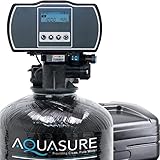
Overview:
A larger-capacity sibling to the 48k model, this system serves homes with 4+ bathrooms. It uses the same core technology—ion exchange softening plus digital metered control—but scales up resin capacity for higher demand.
What Makes It Stand Out:
The 64,000-grain capacity handles larger households or harder water without frequent regeneration. Like its smaller counterpart, it includes Aquasure’s signature triple pre-filter and lifetime US tech support. The programmable digital display tailors cycles to usage patterns, maximizing efficiency.
Value for Money:
Justifies its premium price for spacious homes by preventing costly plumbing/appliance damage from hard water. The pre-filter integration avoids buying separate units, though ongoing salt/pre-filter costs apply. Better long-term value than undersized units requiring upgrades.
Strengths and Weaknesses:
Strengths: High capacity for large families; effective pre-filtration; user-friendly digital controls; 5-year warranty.
Weaknesses: Overkill for small homes (increasing salt/water use); pre-filter maintenance adds expense; bulky footprint.
Bottom Line:
The go-to choice for 4+ bathroom homes with hard water. Its scalability, efficiency, and bundled filtration deliver excellent ROI for larger properties—opt for this over smaller models if space and budget allow.
3. AO Smith Whole House Salt Free Descaler System - Works with City & Well Water Filters - 6yr, 600,000 Gl - Water Softener Alternative for Home - AO-WH-DSCLR
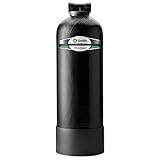
Overview:
This salt-free system prevents scale buildup without removing hardness minerals—ideal for moderate-hardness water (under 15 gpg). It’s a maintenance-free alternative for those avoiding salt-based softeners.
What Makes It Stand Out:
Zero electricity, salt, or backwashing requirements make it eco-friendly and ultra-low maintenance. The 6-year/600,000-gallon lifespan covers most households long-term. Works with well or city water and preserves beneficial minerals.
Value for Money:
Excellent for mild hardness where true softening isn’t critical. Lower lifetime cost than salt-based units (no salt/recurring filters), but ineffective for severe hardness or iron. The 6-year warranty adds reliability.
Strengths and Weaknesses:
Strengths: No salt/electricity; minimal maintenance; preserves minerals; compact.
Weaknesses: Doesn’t soften water (skin/hair benefits limited); ineffective above 15 gpg hardness; no contaminant removal.
Bottom Line:
A niche solution for eco-conscious users with moderate hardness seeking scale prevention only. Not a true softener replacement—choose only if water tests confirm suitability and softening isn’t a priority.
4. Kenmore Elite 520 Hybrid Water Softener & Whole House Filtration System – NSF-Certified 2-in-1 Softener + Filter – Great Tasting Drinking Water from Whole Home Softener

Overview:
This NSF-certified hybrid system combines salt-based softening with built-in carbon filtration for chlorine reduction. Designed for all home sizes, it uses AI to optimize regeneration and improve taste/odor.
What Makes It Stand Out:
The integrated carbon media filter eliminates chlorine taste without a separate pre-filter—a rarity in softeners. IntelliSoft AI learns usage patterns to regenerate only when needed, cutting salt/water use by up to 30%. High-flow 1" valve maintains pressure.
Value for Money:
Premium pricing reflects its dual functionality. Avoids costs of standalone filters, while AI efficiency lowers operational expenses. NSF certification and 10-year tank warranty enhance long-term value versus basic hybrids.
Strengths and Weaknesses:
Strengths: True 2-in-1 softening/filtration; AI-driven efficiency; strong water flow; self-cleaning carbon.
Weaknesses: Higher initial cost; carbon media eventually degrades (though self-cleaning); complex setup.
Bottom Line:
Worth the investment for families wanting soft water and great-tasting drinking water from one system. The AI efficiency and NSF certification make it a standout hybrid—ideal for chlorine-sensitive households.
5. Kenmore 350 Water Softener System – 32,000 Grain Capacity Whole House Hard Water & Iron Reduction – Compact, Easy to Install, Salt Saving Technology
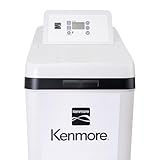
Overview:
A compact, AI-powered softener for 1–4 person households, targeting hardness and iron. Its 32,000-grain capacity suits smaller homes, with salt-saving tech and a space-efficient design.
What Makes It Stand Out:
IntelliSoft AI tailors regeneration to actual use, slashing salt consumption. The sediment shield protects plumbing, while the 3/4" high-flow valve ensures pressure stability. Digital display simplifies monitoring—uncommon at this price point.
Value for Money:
Budget-friendly for small families, with AI efficiency reducing long-term salt costs. Lacks the Elite 520’s filtration, but its iron reduction and compact size offer targeted value for hard-water-only needs.
Strengths and Weaknesses:
Strengths: Space-saving; AI optimizes salt use; iron reduction; easy digital interface.
Weaknesses: No integrated carbon filtration; lower capacity (32k grains) limits scalability; 3/4" valve may restrict flow in larger homes.
Bottom Line:
A smart, economical pick for small households focused purely on hard water/iron. Prioritize over the Elite 520 if filtration isn’t needed—excellent efficiency and simplicity for its class.
6. Aquasure Harmony Lite All-in-One 34,000 Grains Whole House Water Softener with Pleated Sediment Pre-Filter System | Reduces Hardness and Improves Water Quality | for 1-3 bathrooms

Overview: The Aquasure Harmony Lite is a compact, all-in-one water softener designed specifically for smaller homes (1-3 bathrooms), integrating a pleated sediment pre-filter to tackle hard water and contaminants simultaneously. It targets calcium, magnesium, chlorine, and sediment to protect plumbing and improve water quality. What Makes It Stand Out: Its triple-threat pre-filter (sediment/carbon/zinc) removes 99% of contaminants like chlorine, VOCs, and rust before water reaches the softener resin, a rare inclusion at this price point. The automatic digital metered control head optimizes regeneration based on actual usage, enhancing efficiency, while the compact design suits tight spaces like condos. Value for Money: Priced competitively for entry-level whole-house systems, it offers exceptional value by including a comprehensive pre-filter system that competitors often sell separately. The 5-year warranty (activated online) and lifetime US tech support further justify its cost, especially for homeowners prioritizing contaminant removal alongside softening. Strengths and Weaknesses: Strengths include the integrated pre-filter, space-saving design, user-friendly digital controls, and robust warranty. Weaknesses involve the mandatory online activation for full warranty coverage and potential limitations for larger households exceeding 3 bathrooms due to its 34,000-grain capacity. Bottom Line: Ideal for small homes seeking an all-in-one solution for hard water and sediment/chlorine issues, the Harmony Lite delivers strong performance and notable features for its price, making it a highly recommended starting point for water softening.
7. Aquasana SimplySoft® 40,000 Grain Water Softener - Whole House Hard Water Reduction - Base Tank & Cabinet System WH-SF40-BASE

Overview: The Aquasana SimplySoft 40K is a cabinet-enclosed water softener built for homes with up to 5 people and 4 bathrooms, focusing on reducing hard water minerals to protect appliances and enhance skin/hair health through ion exchange technology. What Makes It Stand Out: Its standout feature is exceptional efficiency: metered operation mode uses 50% less salt and 28% less water than time-based systems, translating to significant long-term savings. IAPMO/NSF 44 certification ensures reliable hardness reduction, and the included cabinet offers a clean, finished look. Value for Money: While the base unit lacks a pre-filter (sold separately), its certified performance, water/salt savings, and 5/10-year warranty provide solid value for mid-sized households. The operational cost savings offset the initial investment faster than less efficient models, though budget buyers may balk at the pre-filter add-on cost. Strengths and Weaknesses: Strengths are the high efficiency, certified performance, user-friendly LCD, and strong warranty. Weaknesses include the absence of a built-in pre-filter (requiring an extra purchase for well water or high sediment) and a cabinet that may not suit all utility space aesthetics. Bottom Line: A top choice for eco-conscious homeowners in average-sized homes, the SimplySoft 40K excels in efficiency and reliability. Its operational savings make it a worthwhile investment despite the need for an optional pre-filter.
8. Aquasure 64,000 Grains Whole House Water Filter Bundle with Automatic Digital Metered Control Softener and 75 GPD RO Reverse Osmosis Drinking System | Removes Hardness | Ideal for 4-6+ bathrooms

Overview: This Aquasure bundle combines a high-capacity 64,000-grain whole-house water softener with a 75 GPD reverse osmosis (RO) drinking system, targeting large homes (4-6+ bathrooms) needing both softened water throughout and purified drinking water. What Makes It Stand Out: The integration of a dedicated RO system for drinking water alongside whole-house softening is its key differentiator, eliminating the need for separate purchases. The softener’s digital metered control head and high grain capacity ensure efficient, reliable performance for large families, while premium materials enhance durability. Value for Money: Bundling the softener and RO system offers significant cost savings compared to buying them individually. The high capacity (64K grains) justifies the premium price for large households, though smaller homes may find it overkill. Lifetime tech support adds long-term value. Strengths and Weaknesses: Strengths include the comprehensive solution (whole-house softening + drinking water), high capacity, efficient control head, and robust build. Weaknesses are the system’s large footprint, complexity of installation/maintenance for two systems, and potential overcapacity for homes under 4 bathrooms. Bottom Line: An excellent, cost-effective solution for large families prioritizing both whole-house soft water and premium drinking water, the bundle delivers substantial convenience and performance, though its scale suits only sizable households.
9. Aquasana SimplySoft® 60,000 Grain Water Softener - Whole House Hard Water Reduction - Base Tank & Cabinet System WH-SF60-BASE

Overview: The Aquasana SimplySoft 60K is an upgraded cabinet-enclosed water softener designed for larger homes (5+ people, 4+ bathrooms), offering enhanced capacity and performance while retaining the core efficiency features of its smaller sibling. What Makes It Stand Out: Building on the 40K model, it delivers higher capacity (60,000 grains) for larger water demands without sacrificing the signature efficiency—using 50% less salt and 28% less water via metered operation. IAPMO/NSF 44 certification and a refined cabinet design maintain its premium, user-friendly appeal. Value for Money: It represents strong value for larger homes needing robust softening, as the increased capacity directly addresses higher usage without proportionally higher costs. The operational savings and 5/10-year warranty enhance long-term affordability, though the required separate pre-filter remains a minor cost consideration. Strengths and Weaknesses: Strengths are the high capacity, proven efficiency, certified performance, and aesthetic cabinet. Weaknesses persist in the need for an optional pre-filter (sold separately) and the cabinet potentially limiting installation flexibility in cramped spaces. Bottom Line: For larger households seeking a reliable, efficient, and certified high-capacity softener, the SimplySoft 60K is a compelling upgrade, offering significant performance gains while maintaining operational savings—highly recommended for its target market.
10. DURAWATER Fleck 5600 SXT Whole House Water Softener 48,000 Grains Ships Loaded with Resin in Tank, Black
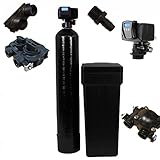
Overview: The DURAWATER Fleck 5600 SXT is a straightforward, high-capacity (48,000 grains) water softener featuring the trusted Fleck 5600 SXT digital metered control valve, shipped pre-loaded with resin for simplified setup, targeting medium to large homes. What Makes It Stand Out: Its major advantage is the “shipped loaded” convenience—resin comes pre-installed in the USA-made black tank, drastically reducing DIY installation hassle. The Fleck 5600 SXT valve is industry-renowned for reliability and precise metered regeneration, while the included bypass valve and brine tank with safety float ensure completeness. Value for Money: This model offers exceptional value for hands-on homeowners, as the pre-loaded resin and inclusion of essential components (bypass, brine tank) eliminate common setup costs and complexities. It leverages proven Fleck technology at a competitive price point, though it lacks integrated pre-filtration. Strengths and Weaknesses: Strengths include hassle-free pre-loaded resin, reliable Fleck valve, included bypass/brine tank, and strong toll-free support. Weaknesses are the absence of a pre-filter (requiring separate purchase) and a more utilitarian design compared to cabinet-enclosed models. Bottom Line: An outstanding choice for DIYers and value-focused buyers needing reliable, high-capacity softening without frills, the DURAWATER Fleck 5600 SXT excels in simplicity and core performance—highly recommended for those prioritizing ease of installation and proven mechanics.
Understanding Hard Water and Its Impact
What Exactly is Hard Water?
Hard water isn’t dirty water; it’s water that has naturally picked up significant amounts of dissolved minerals, primarily calcium and magnesium, as it travels through soil and rock formations like limestone and chalk. The concentration of these minerals determines the water’s “hardness,” measured in grains per gallon (GPG) or parts per million (PPM). While harmless to drink, these minerals cause all the frustrating issues associated with hard water once the water is used in the home.
Recognizing the Signs of Hard Water Damage
Identifying hard water early can prevent costly damage. Key indicators include persistent white or chalky scale buildup on faucets, shower doors, and inside kettles; soap scum that’s difficult to clean in bathtubs and sinks; laundry that feels stiff, looks dingy, and requires more detergent; reduced water pressure from fixtures due to internal scaling; and appliances like water heaters, dishwashers, and washing machines consuming more energy and exhibiting shorter lifespans. Dry, itchy skin and lackluster hair after showering are also common complaints.
The Long-Term Financial Toll of Ignoring Hard Water
Beyond daily annoyances, untreated hard water imposes a significant financial burden. Scale buildup acts as an insulator in water heaters, forcing them to work much harder and increasing energy consumption by up to 30% over time. Clogged pipes and valves reduce water flow and pressure, potentially leading to costly plumbing repairs. Appliances suffer premature failure – a water heater scaled by just 1/8 inch can see efficiency drop by 15-20%. The constant need for extra detergents, soaps, and descaling agents adds up, making a water softener a wise long-term investment that often pays for itself.
How Whole House Water Softeners Work
The Science of Ion Exchange
At the heart of most effective whole house softeners lies the ion exchange process. Hard water flows through a tank filled with tiny resin beads coated with sodium or potassium ions. As the water passes, the positively charged calcium and magnesium ions (the hardness minerals) are attracted to the resin beads and swap places with the sodium/potassium ions. This exchange effectively removes the hardness minerals from the water, replacing them with the softer, less problematic ions.
The Crucial Regeneration Cycle
The resin beads can only hold so many hardness ions before becoming saturated. This is where regeneration comes in. Periodically, typically based on water usage or a timer, the system initiates a regeneration cycle. A concentrated brine solution (made from salt or potassium chloride pellets dissolved in a separate brine tank) is flushed through the resin tank. The high concentration of sodium/potassium ions in the brine forces the calcium and magnesium ions off the resin beads and down the drain. The resin beads are then rinsed and recharged, ready to soften more water.
Types of Softening Systems: Salt-Based vs. Alternatives
Salt-based ion exchange softeners are the most common and effective solution for removing calcium and magnesium. However, alternatives exist, such as salt-free conditioners (which typically alter the mineral structure to prevent scale but don’t remove hardness ions) and template-assisted crystallization (TAC) systems. It’s vital to understand that salt-free systems do not technically soften water by removing hardness minerals; they may reduce scale formation but won’t eliminate the other effects of hard water like soap scum or stiff laundry. For comprehensive hard water removal, salt-based ion exchange remains the gold standard.
Key Features to Evaluate When Choosing
Determining Your Required Grain Capacity
This is arguably the most critical specification. Grain capacity indicates how much hardness (in grains) the softener can remove before needing regeneration. Calculate your household’s daily water usage (gallons per day) multiplied by your water’s hardness level (GPG). Choose a system with a capacity significantly higher than this daily total to avoid frequent regeneration, which wastes water and salt. Undersizing leads to hard water breakthrough; oversizing wastes resources during regeneration.
Understanding Flow Rate Requirements
Flow rate (measured in gallons per minute - GPM) determines how much softened water the system can deliver at one time. Consider your peak usage scenarios – like running a shower and a washing machine simultaneously. The softener must handle this maximum flow without causing a noticeable drop in water pressure. Check the system’s rated service flow rate to ensure it meets your household’s demands during busy times.
Regeneration Control: Metered vs. Timed
Metered regeneration systems track your actual water usage and initiate regeneration only when the resin capacity is nearly depleted. This is highly water and salt-efficient, especially for households with variable water use. Timed regeneration systems regenerate on a fixed schedule (e.g., every 3 days), regardless of actual water consumption, which can lead to wasted salt and water if usage is low, or hard water if usage spikes unexpectedly. Metered control is generally the smarter, more efficient choice.
Salt Type Compatibility and Efficiency
Most systems use sodium chloride (rock salt or solar salt pellets) or potassium chloride. Pellets are generally preferred over rock salt as they dissolve cleaner, reducing tank “mushing” and sediment buildup. Potassium chloride is an option for those on sodium-restricted diets, though it’s more expensive and slightly less efficient. Consider the system’s salt efficiency rating – how many grains of hardness it removes per pound of salt used – for long-term cost savings.
Physical Size and Space Requirements
Whole house softeners require dedicated floor space, typically in a basement, utility room, garage, or near the main water line entry point. Measure the available space carefully, considering not just the softener tank but also the brine tank, which is usually placed beside it. Ensure there’s adequate clearance for maintenance, electrical outlet access (for the control valve), a drain line for regeneration, and a floor drain or standpipe.
Installation Considerations
Professional Installation vs. DIY
While some technically skilled homeowners tackle DIY installation, professional installation is highly recommended for most. It involves cutting into the main water line, ensuring proper plumbing connections (inlet, outlet, bypass valve, drain line), electrical setup for the control head, and precise system programming. Mistakes can lead to leaks, system damage, or improper function. Professionals ensure compliance with local plumbing codes and often provide warranties.
Essential Plumbing and Electrical Needs
A successful installation requires access to the main cold water line, a nearby floor drain or utility sink for the regeneration discharge (drain line), a standard electrical outlet for the control valve, and sufficient floor space. The drain line must be installed with the correct slope and air gap to prevent backflow contamination, adhering strictly to plumbing codes. Discuss these requirements with your installer beforehand.
Understanding Bypass Valve Operation
A crucial component of any softener installation is the bypass valve. This valve allows you to temporarily divert water around the softener, which is essential for maintenance, salt refilling, or if the system needs servicing. Knowing how to operate the bypass valve correctly is important for homeowners to avoid accidentally running unsoftened water during normal operation or causing pressure issues.
Post-Installation System Flushing
After installation or servicing, the system requires a thorough flush to remove any residual resin beads, manufacturing debris, or brine solution from the plumbing lines. This initial flush can take several minutes to an hour, depending on the system size. Running water at multiple taps until it runs clear ensures you don’t get discolored water or salty-tasting water from your faucets initially.
Ongoing Maintenance for Optimal Performance
Regular Salt Replenishment Schedule
Salt levels in the brine tank need monitoring and replenishment. Check the salt level monthly; it should be kept at least half full. Add salt when it drops below this level, but avoid overfilling. The frequency depends entirely on your water hardness and household usage. Using the correct pellet form and keeping the salt level consistent prevents issues like salt bridging (where salt hardens and doesn’t dissolve) or mushing (a sludge at the tank bottom).
Cleaning the Brine Tank
Over time, impurities in the salt can accumulate as sediment in the brine tank. It’s recommended to clean the brine tank annually or whenever you notice excessive sediment. This involves bypassing the softener, draining the brine tank, removing the remaining salt and water, scrubbing the tank, and refilling it with fresh salt and water. Consult your manual for specific instructions.
Resin Tank Care and Potential Replacement
The resin beads inside the softener tank typically last 10-15 years but can be damaged by chlorine, iron, or excessive heat. Signs of failing resin include consistently hard water despite regeneration, visible beads in the water (requiring a pre-filter), or reduced capacity. While not routine maintenance, being aware of resin lifespan helps plan for future system needs. Iron fouling might require special cleaning procedures or a pre-filter.
Maximizing the Benefits of Softened Water
Enhanced Appliance Longevity and Efficiency
Softened water is a game-changer for appliances. Water heaters operate without scale buildup on heating elements, maintaining peak efficiency and potentially lasting years longer. Dishwashers and washing machines run cleaner internally, require less detergent, and deliver better cleaning results on dishes and clothes. Reduced scale means fewer service calls and replacements, saving significant money over the appliance’s lifespan.
Superior Cleaning Performance and Reduced Chemical Use
Experience the difference softened water makes: soap lathers richly and rinses away completely, eliminating soap scum on surfaces and leaving skin and hair feeling cleaner and softer. Laundry comes out brighter, whiter, and noticeably softer, using less detergent and fabric softener. Glassware and dishes sparkle without spots or film. This reduces your reliance on harsh chemical cleaners for scale removal.
Improved Skin and Hair Health
Many users report significant improvements in skin and hair after switching to softened water. Without minerals binding to soap and leaving residue, cleansers rinse off thoroughly, preventing dryness, itchiness, and irritation. Hair feels smoother, looks shinier, and is easier to manage. For individuals with sensitive skin conditions like eczema, softened water can be a welcome relief.
Understanding Costs and Value
Initial Investment Range
The upfront cost of a whole house water softener system varies widely based on capacity, features, brand, and installation complexity. This includes the unit itself, the brine tank, necessary plumbing materials, and professional installation fees. It’s important to view this as a long-term investment in your home’s infrastructure and your family’s well-being, rather than just an appliance purchase.
Factoring in Ongoing Operational Costs
Consider the recurring expenses: salt or potassium chloride pellets (typically $5-$25 per 40lb bag, used monthly or quarterly), a slight increase in water usage during regeneration cycles, and minimal electricity for the control valve. While these are ongoing costs, they are generally offset by savings on soaps, detergents, appliance repairs, energy bills, and extended appliance life.
Calculating Long-Term Return on Investment
To truly gauge value, calculate the potential savings. Factor in reduced energy costs for water heating (due to no scale insulation), extended lifespan of water-using appliances (delaying costly replacements), decreased detergent and soap consumption, and avoided plumbing repair costs from scale-related issues. For most households with moderate to severe hard water, the softener often pays for itself within several years through these combined savings.
Making Your Final Decision
Prioritizing Your Household’s Specific Needs
Your ideal softener depends heavily on your unique situation. Consider your measured water hardness level, average daily water usage, peak flow demands, available installation space, budget (both upfront and ongoing), and any specific concerns like sodium intake (pointing towards potassium chloride). There’s no universal “best” system; the best system is the one perfectly matched to your home’s requirements.
Researching Reputable Brands and Warranties
Focus on established manufacturers known for quality components, reliable control valves, and responsive customer service. Pay close attention to warranty terms – look for comprehensive coverage on the tank (often 10+ years), control valve (5-10 years), and other parts. A strong warranty reflects the manufacturer’s confidence in their product’s durability.
Consulting with Water Treatment Professionals
Don’t hesitate to get advice from certified water treatment specialists. They can perform accurate water tests, help interpret your results, recommend appropriately sized systems based on your usage patterns, and provide insights into local water conditions that might affect performance (like high iron or pH levels requiring pre-treatment). Their expertise can prevent costly mistakes.
Frequently Asked Questions
How do I know if I actually have hard water?
Common signs include white mineral scale on faucets and shower doors, soap scum that’s hard to clean, stiff laundry, spots on dishes, reduced water pressure, and dry skin after showering. The most accurate method is a water test kit from a hardware store or a free professional test from a water treatment company, which measures grains per gallon (GPG).
Can a water softener remove existing scale buildup in my pipes?
A softener prevents new scale from forming by removing hardness minerals. It won’t actively dissolve significant scale already inside old pipes, though over time (months to years), softened water can gradually help reduce minor internal buildup as water flows through. Severe existing scale may require professional pipe cleaning.
Is softened water safe to drink?
Yes, softened water is safe to drink for most people. The ion exchange process replaces calcium and magnesium with sodium or potassium. The amount of sodium added is generally small (comparable to food items), but those on strict sodium-restricted diets should consult their doctor and may prefer using potassium chloride or installing a separate drinking water filter.
How often will my water softener regenerate?
This depends on your water hardness, daily water usage, and the system’s capacity. Metered systems regenerate only when needed based on usage, typically every few days to a week or more. Timed systems regenerate on a fixed schedule, regardless of need. Proper sizing ensures regeneration happens efficiently without wasting resources.
What’s the difference between rock salt and solar salt pellets?
Solar salt pellets are evaporated and formed into pure, uniform pellets that dissolve cleanly with minimal sediment. Rock salt is mined and contains more impurities, leading to more tank “mud” and potential bridging. Solar salt pellets are generally recommended for better system performance and less maintenance, though they cost slightly more.
Do I need a pre-filter before my water softener?
A pre-filter is highly recommended, especially if your water contains significant iron, sediment, or high levels of chlorine. Iron can foul resin beads, sediment can clog the system, and chlorine can degrade the resin over time. A simple sediment filter or iron-specific pre-treatment protects your softener and extends its lifespan.
Will a water softener increase my water bill?
The regeneration cycle uses additional water (typically 35-150 gallons per cycle, depending on system size and settings). While this adds a small amount to your water usage, the savings from increased appliance efficiency (especially water heaters) and reduced need for detergents and cleaning products usually offset this cost. Metered systems minimize regeneration water waste.
How much space do I need for a whole house water softener?
Most systems require a footprint roughly the size of a 5-gallon bucket for the resin tank and a similarly sized brine tank placed beside it. You’ll need several feet of clearance around the units for maintenance access, plus space for plumbing connections and the drain line. Measure your intended location carefully before purchasing.
Can I install a water softener myself?
While possible for experienced DIYers with plumbing and electrical skills, professional installation is strongly advised. Incorrect installation can cause leaks, damage the system, violate plumbing codes, void warranties, or result in poor performance. Professionals ensure proper setup, programming, and compliance.
How long do whole house water softeners typically last?
With proper maintenance (regular salt addition, annual brine tank cleaning), the main components can last 10-15 years or more. The resin beads typically last 10-15 years before losing effectiveness. Control valves may need servicing or replacement during the system’s life. Regular upkeep significantly extends the overall system lifespan.