That cashmere sweater that feels like a warm hug on a January morning. The merino wool scarf that took your best friend three months to knit. Your grandmother’s vintage angora cardigan that somehow still looks timeless after sixty years. These aren’t just clothes—they’re investments in craftsmanship, comfort, and sometimes, irreplaceable sentimental value. Yet most people unwittingly destroy these precious fibers within a handful of washes, not through malice, but through a fundamental misunderstanding of what luxury protein fibers actually need to survive and thrive.
The truth is, wool and cashmere are remarkably resilient when treated correctly, and remarkably unforgiving when they’re not. Regular laundry detergent, designed to blast cotton and synthetics clean, is essentially a chemical wrecking ball to the delicate molecular structure of your favorite pieces. This guide dives deep into the science, the selection criteria, and the subtle art of choosing the perfect wool and cashmere shampoo—because your delicates deserve nothing less than informed, intentional care.
Top 10 Wool & Cashmere Shampoos for Delicates
Detailed Product Reviews
1. The Laundress Wool & Cashmere Shampoo, 31 Loads, Concentrated Liquid Laundry Detergent, Cedar Scent, Gentle Cold-Water Hand or Machine Wool Wash for Delicate Fabrics - Merino, Mohair & Knit Blends

Overview: The Laundress delivers a premium enzyme-free detergent meticulously formulated for luxury wool, cashmere, merino, and mohair garments. This pH-balanced concentrate cleans delicate natural fibers without compromising their inherent softness or structural integrity. Designed for cold-water washing, it enables professional-quality garment care from the comfort of home, reducing dependency on costly dry cleaning services while maintaining your most treasured pieces in pristine condition.
What Makes It Stand Out: The sophisticated cedar fragrance blends bergamot, rosewood, nutmeg, and sandalwood into a complex, perfumer-crafted scent that transforms laundry into a sensorial experience. The bio-based, enzyme-free formula provides exceptional cleaning power while remaining gentle enough for the most delicate knits. The brand’s ecosystem approach includes a complementary Wool & Cashmere Spray for freshening between washes, creating a comprehensive luxury care system that keeps garments in rotation longer.
Value for Money: At $30 for 31 loads ($0.97 per load), this sits at the premium end of the market. However, the investment proves economical for luxury wardrobe owners when compared to per-item dry cleaning costs. The high-quality, concentrated formulation and brand’s specialized expertise justify the price point for those prioritizing garment longevity and superior care.
Strengths and Weaknesses: Strengths include exceptional gentleness on delicate fibers, sophisticated long-lasting fragrance, versatility for both hand and machine washing, professional-grade results, and a holistic product ecosystem. Weaknesses are the higher price compared to competitors, the cedar scent may not suit all preferences, and it offers fewer loads than some budget alternatives.
Bottom Line: Perfect for discerning owners of high-end woolens who value a luxury laundry experience. The Laundress justifies its premium pricing through superior formulation, elegant scent, and brand reputation, making it a worthwhile investment for preserving your most cherished garments for years to come.
2. Cashmere, Wool & Delicates Shampoo Detergent 42 Loads. Made in U.S.A (Scentless)

Overview: This fragrance-free detergent provides specialized care for cashmere, wool, and delicate fabrics without harsh chemicals. Formulated for both hand and machine washing, it offers a gentle cleaning solution that preserves fiber integrity. Made in the USA, this allergen-free formula caters specifically to those with sensitive skin or fragrance sensitivities who still require effective cleaning for their luxury garments.
What Makes It Stand Out: The complete absence of fragrance makes this ideal for individuals with allergies, asthma, or skin sensitivities. Its nontoxic, biodegradable composition aligns with eco-conscious values while delivering professional results. The 42-load concentration provides extended use, and the “Made in USA” designation ensures quality manufacturing standards and supports domestic production.
Value for Money: At $21.95 for 42 loads, this presents excellent value at approximately $0.52 per load. The combination of high load count, allergen-free formulation, and competitive pricing makes it significantly more economical than premium competitors while maintaining quality standards for delicate fabric care.
Strengths and Weaknesses: Strengths include fragrance-free hypoallergenic formula, nontoxic and biodegradable ingredients, high load count (42), made in USA quality, and versatility for hand or machine use. Weaknesses include lack of scent may feel less luxurious to some users, minimal brand recognition compared to established luxury labels, and limited information about specific ingredient sourcing.
Bottom Line: An outstanding choice for anyone with sensitivities to fragrances or harsh chemicals. This detergent delivers effective delicate fabric care at an exceptional price point, proving you don’t need premium branding or added scents to maintain your woolens and cashmere in excellent condition.
3. Cashmere, Wool & Delicates Shampoo Detergent 42 Loads. Made in U.S.A (Lavender)

Overview: This lavender-scented detergent provides specialized care for cashmere, wool, and delicate fabrics, combining effective cleaning with a soothing natural fragrance. Formulated for both hand and machine washing, it preserves fiber softness and structural integrity while delivering a pleasant aromatic experience. Made in the USA, this nontoxic, biodegradable formula offers an eco-conscious solution for maintaining luxury garments without harsh chemicals.
What Makes It Stand Out: The natural lavender scent provides a calming, fresh aroma without overwhelming delicate fibers. Like its scentless counterpart, it maintains nontoxic, biodegradable, and allergen-free credentials, though the added fragrance may not suit the most sensitive users. The 42-load concentration and domestic manufacturing ensure both value and quality assurance, supporting local production standards.
Value for Money: At $21.95 for 42 loads, this offers exceptional value at approximately $0.52 per load. You get the benefits of a scented detergent without the premium price tag of luxury brands, making it an economical choice for regular delicate fabric care while maintaining quality cleaning performance.
Strengths and Weaknesses: Strengths include pleasant natural lavender fragrance, nontoxic biodegradable formula, high load count, made in USA quality, and hand/machine versatility. Weaknesses include fragrance may still irritate highly sensitive individuals, scent is less sophisticated than premium competitors, and brand recognition is limited compared to established luxury labels.
Bottom Line: An excellent middle-ground option for those wanting a gentle scent without paying premium prices. This lavender variant delivers effective cleaning, eco-friendly credentials, and pleasing fragrance at a budget-friendly price point, making it ideal for everyday luxury garment care.
4. Cashmere, Wool & Delicates Shampoo Detergent 42 Loads. Made in U.S.A (Cedar & Citrus)

Overview: This cedar and citrus-scented detergent offers specialized cleaning for cashmere, wool, and delicate fabrics with a refreshing woodsy-citrus aroma. Designed for hand or machine washing, it effectively cleans while preserving natural fiber softness and preventing damage. Made in the USA, this nontoxic, biodegradable formula provides an environmentally responsible solution for luxury garment care at an accessible price point for regular use.
What Makes It Stand Out: The unique cedar-citrus fragrance combination delivers a crisp, clean scent that neutralizes odors while remaining gentle on fabrics. Like other variants in this line, it boasts nontoxic, biodegradable, and allergen-free properties. The 42-load capacity and the lowest per-load price in this review set make it particularly attractive for budget-conscious consumers seeking quality care without unnecessary frills.
Value for Money: At $21.95 for 42 loads ($0.52 per load), this represents the best value among reviewed products. The combination of high performance, eco-friendly credentials, and lowest cost-per-load creates exceptional affordability without compromising on garment care quality or cleaning effectiveness.
Strengths and Weaknesses: Strengths include best-in-class price per load, appealing cedar-citrus scent, nontoxic biodegradable formula, high load count, and domestic manufacturing. Weaknesses include scent profile may not suit all preferences, simpler branding lacks luxury appeal, and fragrance could potentially irritate very sensitive users despite allergen-free claims.
Bottom Line: The top budget pick for quality wool and cashmere care. This cedar-citrus variant delivers everything you need—effective cleaning, pleasant scent, and eco-friendly formulation—at an unbeatable price point. Perfect for practical consumers who prioritize function and value over luxury branding.
5. Wool & Cashmere Laundry Detergent, Double Concentrated Neutral PH Shampoo, Compatible With Silk, Wool, Cashmere Delicate Wash, Soft & Comfortable - 16.91 Fl Oz
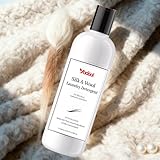
Overview: Yadool’s ultra-concentrated detergent provides plant-based cleaning specifically designed for cashmere, wool, silk, and other delicate fabrics. This 16.91-ounce bottle delivers 32 washes using just one tablespoon per load. The neutral pH formula ensures gentleness on protein-based fibers while remaining skin-friendly, making it suitable for the most treasured items in your wardrobe.
What Makes It Stand Out: The stringent ingredient exclusion list—no enzymes, dyes, sulfates, phosphates, or optical brighteners—sets a new standard for purity. Small-batch production ensures quality control, while the ultra-concentrated formula minimizes environmental impact through reduced packaging and shipping. The detergent rinses completely without residue, preserving fabric texture and color integrity.
Value for Money: At $24.95 for 32 washes ($0.78 per wash), Yadool positions itself in the mid-premium range. The concentration and purity of ingredients justify the cost for eco-conscious consumers, though it’s pricier per ounce than some competitors. The quality manufacturing and clean formulation offer good value for those prioritizing ingredient transparency.
Strengths and Weaknesses: Strengths include ultra-concentrated formula, extremely clean ingredient profile, small-batch quality control, neutral pH gentleness, and complete rinsing without residue. Weaknesses include higher price per ounce, fewer loads than 42-load competitors, limited brand recognition, and lacks the sophisticated fragrance options of premium brands.
Bottom Line: An excellent choice for environmentally conscious consumers seeking the purest ingredients. Yadool’s commitment to excluding harsh chemicals and small-batch production makes it ideal for those with chemical sensitivities or strong eco-values, despite the slightly higher cost.
6. Silk & Wool Laundry Detergent, PH Neutral Cashmere Detergent, Double Concentrated Wash Shampoo for Silk, Wool, Cashmere, Gentle, Soft & Comfortable -3.72 Fl Oz/110ML

Overview: This 3.72-ounce trial-sized bottle from Yadool offers a concentrated formula specifically designed for delicate protein-based fabrics. The pH-neutral, plant-based detergent promises gentle cleaning without compromising the integrity of silk, wool, cashmere, and other luxury materials, making it ideal for travel or first-time users exploring specialized fabric care solutions.
What Makes It Stand Out: The travel-friendly size is perfect for those wanting to test the product before committing to a larger bottle. Its double-concentrated formula means a single tablespoon suffices per wash, effectively preventing fading, shrinking, or stretching. The detergent is free from enzymes, dyes, sulfates, phosphates, and optical brighteners, ensuring maximum fabric protection while maintaining environmental consciousness and skin safety.
Value for Money: At $2.69 per ounce, this trial size is pricier than bulk options but reasonable for testing purposes. The concentrated formula provides several washes despite the small volume, offering a cost-effective way to experience premium fabric care without investing in a full-sized product immediately. It’s an economical sampling strategy for discerning consumers.
Strengths and Weaknesses:
- Pros: Highly portable travel size; plant-based and pH-neutral formula; free from harsh chemicals; low-foaming and easy to rinse; suitable for machine and hand washing
- Cons: Small volume requires frequent repurchasing for regular users; higher per-ounce cost than larger sizes; limited scent options
Bottom Line: An excellent entry point for those new to specialized fabric care, offering premium performance in a convenient travel size.
7. Silk & Wool Laundry Detergent, Cashmere Detergent, Double Concentrated Cashmere Shampoo, Compatible With Silk, Wool, Cashmere Delicate Wash, Soft And Comfortable - 16.91 Fl Oz
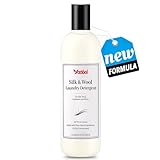
Overview: Yadool’s larger 16.91-ounce offering provides the same gentle, plant-based formula as its trial size but in a more economical volume. This ultra-concentrated detergent delivers up to 32 washes with just one tablespoon per load, making it a practical choice for regular care of delicate protein-based fabrics including silk pillowcases and washable furs.
What Makes It Stand Out: The exceptional concentration sets this apart, offering one of the lowest cost-per-wash ratios in the luxury detergent market. Its pH-neutral, enzyme-free composition ensures thorough cleaning without damaging silk, wool, cashmere, or washable furs. The formula rinses completely clean, leaving no residue that could compromise fabric softness or appearance over repeated washings.
Value for Money: At $1.48 per ounce, this represents significant savings over the trial size. With 32 washes per bottle, the cost per wash is approximately $0.78, making it competitive with mainstream delicate detergents while offering superior fabric protection and eco-friendly credentials. The bulk size reduces environmental impact through less packaging waste.
Strengths and Weaknesses:
- Pros: Excellent concentration reduces cost per wash; plant-derived, biodegradable ingredients; pH-neutral and skin-friendly; low-foaming formula; versatile for machine and hand washing
- Cons: Premium price point may deter budget-conscious shoppers; limited fragrance variety; brand recognition lower than established competitors
Bottom Line: A smart investment for those regularly washing delicates, combining economy with exceptional fabric care in an environmentally responsible formula.
8. Murchison-Hume Luxury Wool Wash – Eco-Friendly Detergent for Wool, Cashmere & Delicates – Cedarwood or Lavender – Plant-Based, Biodegradable Formula, Gentle Care, 17oz

Overview: Murchison-Hume delivers an eco-conscious luxury wool wash in a generous 17-ounce bottle. This concentrated, plant-based detergent caters specifically to wool, cashmere, merino, mohair, and blended fabrics, offering a choice between cedarwood and lavender scents for a personalized laundering experience that refreshes garments while maintaining their integrity.
What Makes It Stand Out: The brand emphasizes environmental responsibility with its biodegradable formula free from phosphates and artificial colors. The scent selection—cedarwood or lavender—provides a sophisticated alternative to fragrance-free options. Its concentrated nature ensures effective cleaning while minimizing environmental impact through reduced packaging and shipping weight, appealing to sustainability-minded consumers.
Value for Money: At $1.35 per ounce, this positions itself as a mid-range luxury option. The 17-ounce size offers ample product for regular users, and the concentration means fewer bottles over time. While not the cheapest option, the eco-friendly formulation and premium branding justify the investment for environmentally conscious consumers seeking quality.
Strengths and Weaknesses:
- Pros: Biodegradable and plant-based; attractive scent options; concentrated formula; free from harsh chemicals; stylish packaging
- Cons: Less detailed information on wash count per bottle; fewer fabric-specific claims than competitors; availability may be limited in some regions
Bottom Line: An excellent choice for eco-minded consumers seeking effective delicate fabric care with pleasant, natural fragrance options.
9. The Laundress Wool & Cashmere Shampoo, Double Concentrated, Cedar Scent, Wool Detergent, Wool wash, Cashmere Shampoo, 16 Fl Oz (Pack of 2)

Overview: The Laundress offers a premium twin-pack of its renowned wool and cashmere shampoo, with each 16-ounce bottle providing professional-quality care for luxury fabrics. This double-concentrated, enzyme-free formula maintains the softness and integrity of natural fibers while delivering a sophisticated cedar scent with complex fragrance notes that elevate the entire laundering experience.
What Makes It Stand Out: The brand’s reputation for luxury fabric care is unmatched, with a pH-balanced, bio-based formula that protects delicate knits from harsh chemicals. The cedar fragrance—featuring bergamot, rosewood, nutmeg, and sandalwood—elevates the washing experience beyond typical detergents. Each bottle delivers 31 medium loads, offering true at-home professional garment care that reduces dry-cleaning dependency.
Value for Money: At $1.81 per ounce, this is a premium investment. However, the twin-pack provides 62 total washes, reducing the per-load cost to approximately $0.93. While more expensive than competitors, the brand’s proven track record, sophisticated scent profile, and professional results justify the price for luxury garment owners who prioritize fabric longevity.
Strengths and Weaknesses:
- Pros: Established luxury brand reputation; complex, elegant cedar scent; enzyme-free and pH-balanced; delivers professional results; comprehensive fabric protection
- Cons: Highest price point per ounce; fragrance may be too strong for sensitive users; overkill for non-luxury garments
Bottom Line: The gold standard for luxury fabric care, perfect for those who demand premium results and sophisticated fragrance from their delicate detergent.
10. Plant Based Natural Laundry Detergent - Wool, Silk & Cashmere Detergent for Washing Machine - Naturally Scented with Lavender Oil - Silk Detergent, Cashmere Wash, Wool Shampoo - Silk Laundry Detergent

Overview: Blissy Silk Wash presents a plant-based natural detergent specifically formulated for the most delicate fabrics. Infused with lavender oil, this hypoallergenic formula cleanses while maintaining fabric shape and texture, making it ideal for those with sensitive skin who refuse to compromise on garment care quality and ethical standards.
What Makes It Stand Out: The formula is completely free from parabens, phthalates, and animal cruelty, appealing to ethically conscious consumers. Its hypoallergenic properties make it uniquely suitable for those with skin sensitivities or allergies. The brand specifically recommends pairing with their mesh wash bags for optimal results, suggesting a comprehensive care system approach that extends garment life and maintains fabric integrity.
Value for Money: At $0.94 per ounce, this offers the lowest price point among competitors while maintaining premium features. The plant-derived, chemical-free formulation provides exceptional value for health-conscious and eco-minded shoppers. Despite the lower cost, it doesn’t sacrifice performance or ethical standards, delivering professional-level care at a budget-friendly price.
Strengths and Weaknesses:
- Pros: Most affordable per ounce; hypoallergenic and skin-safe; cruelty-free and ethically produced; natural lavender scent; maintains fabric shape and texture
- Cons: Brand less established than premium competitors; requires mesh bags for best results (additional purchase); limited scent options compared to some rivals
Bottom Line: An outstanding value proposition for sensitive skin sufferers and ethical consumers seeking effective delicate fabric care without premium pricing.
Why Your Luxury Fibers Deserve Specialized Care
The Delicate Nature of Protein-Based Fibers
Wool and cashmere aren’t just “soft” versions of cotton—they’re fundamentally different at a molecular level. Both are protein-based fibers, composed primarily of keratin, the same material that makes up human hair. Each fiber is covered in microscopic scales that overlap like shingles on a roof. These scales are hydrophobic (water-repelling) at the surface but can lock together when exposed to heat, agitation, and alkaline conditions. This is the scientific mechanism behind felting and shrinkage, and it’s why your favorite sweater can turn into a toddler-sized version of itself after one wrong wash.
Cashmere takes this delicacy even further. The fibers are significantly finer than wool—typically 14-19 microns versus 20-40 microns for most wool varieties. This fineness creates that cloud-like softness but also means there’s less structural integrity to withstand harsh treatment. The internal structure of these fibers includes a cortex with orthocortical and paracortical cells that respond differently to moisture and stress, creating the crimp and elasticity we love—but also making them vulnerable to chemical disruption.
What Happens When You Use Regular Detergent
Standard laundry detergents are engineered for plant-based fibers like cotton and linen, which thrive in alkaline environments. These detergents typically have a pH between 8 and 10, packed with aggressive surfactants, enzymes, and optical brighteners. When introduced to wool or cashmere, several destructive processes begin:
First, the alkaline pH swells the fiber cuticle, forcing those overlapping scales to lift and catch on each other. Add any agitation, and you’ve created the perfect storm for felting. Second, protease enzymes—included to break down protein stains like blood or egg on cotton—don’t discriminate. They’ll happily digest the keratin in your cashmere, weakening fibers and creating holes. Third, harsh surfactants strip away the natural lanolin that gives wool its water-resistance and cashmere its subtle sheen, leaving fibers dry, brittle, and prone to breakage.
Understanding the Science Behind Wool and Cashmere Shampoos
pH-Balanced Formulations: The Foundation of Fiber Safety
Quality wool and cashmere shampoos are meticulously formulated to maintain a pH between 5.0 and 6.5—slightly acidic to match the natural pH of protein fibers and human skin. This acidity keeps the cuticle scales lying flat, preventing the interlocking that causes felting. When shopping, look for phrases like “pH-balanced for protein fibers” or “acidic formulation.” While most brands won’t list the exact pH on the label, reputable manufacturers will highlight this feature prominently in their product descriptions.
The chemistry behind this involves buffering agents like citric acid or lactic acid, which stabilize the formula and counteract the alkalinity of water, especially important in hard water areas. Some advanced formulations even include chelating agents that bind to minerals in hard water, preventing them from depositing on fibers and creating stiffness or dullness.
Enzyme-Free Chemistry: Protecting the Protein Structure
The best wool and cashmere shampoos are explicitly enzyme-free. This isn’t a missing feature—it’s an intentional design choice. Enzymes are biological catalysts that break down specific substances, and proteases target proteins. While this is fantastic for removing grass stains from soccer uniforms, it’s catastrophic for luxury knits. Even at low concentrations, repeated exposure to proteases will thin cashmere fibers and create weak points that eventually become visible holes.
Some “gentle” detergents claim to be suitable for delicates while still containing enzymes in “reduced” amounts. Don’t fall for this marketing sleight of hand. For true luxury fiber care, the enzyme content should be zero. Check the ingredient list for terms like “protease,” “subtilisin,” or “enzyme blend”—and if you see them, put the bottle back on the shelf.
Surfactant Selection: Gentle Cleansing Agents Explained
Surfactants are the workhorses of any cleaning product—the molecules that grab onto dirt and oil to wash them away. In quality wool shampoos, you’ll find non-ionic surfactants like coco-glucoside, decyl glucoside, or ethoxylated lanolin alcohol. These are significantly milder than the anionic surfactants (like SLS) in regular detergents because they carry no electrical charge, so they don’t aggressively strip the fiber or disrupt its structure.
The magic lies in the micelle formation. These gentle surfactants create loose, large micelles that encapsulate dirt without penetrating deep into the fiber cortex. Think of them as soft, spongy bubbles versus the sharp, penetrating needles of harsh detergents. This means effective cleaning without the damage, preserving the fiber’s natural oils and structural integrity.
Key Ingredients to Look For in Quality Delicates Shampoos
Lanolin: Nature’s Built-In Conditioner
Lanolin is the natural wax secreted by sheep’s sebaceous glands, coating each wool fiber with a protective, water-resistant sheath. The best wool shampoos include refined lanolin or lanolin derivatives to replenish what’s lost during washing. This isn’t just conditioning for conditioning’s sake—lanolin molecules physically bond to the fiber surface, restoring elasticity, reducing static, and maintaining that characteristic wooly luster.
Look for “lanolin-enriched” or “with wool grease” on labels. Some formulations use lanolin oil, while others use lanolin alcohol ethoxylates, which are water-soluble versions that rinse more cleanly while still depositing protective lipids. The concentration matters: too much lanolin can make fibers feel heavy or greasy, while too little offers negligible benefit. Premium formulations strike this balance through careful testing.
Plant-Based Surfactants: Coco-Glucoside and Beyond
The shift toward plant-derived surfactants isn’t just eco-marketing—it’s genuinely better for delicate fibers. Coco-glucoside, derived from coconut oil and fruit sugars, is a standout performer. It has an exceptionally mild profile, biodegrades completely, and produces a rich, creamy lather that feels luxurious but rinses completely clean. Its molecular structure is too large to penetrate the fiber interior, so it cleans the surface without swelling or weakening the core.
Other excellent plant-based surfactants include decyl glucoside (from corn and coconut) and disodium cocoyl glutamate (from coconut and fermented sugar). These ingredients signal a formulator who understands that gentleness and effectiveness aren’t mutually exclusive. They also tend to be more expensive than synthetic alternatives, so their presence often indicates a premium product.
Natural Conditioners: Silk Proteins and Plant Oils
Silk proteins (hydrolyzed silk amino acids) are a secret weapon in top-tier cashmere shampoos. These molecules are small enough to penetrate micro-damage in the fiber cuticle, filling in gaps and creating a smoother surface. This translates to reduced friction between fibers, less pilling, and that coveted “like new” softness. They’re particularly beneficial for older cashmere that’s begun to feel slightly rough or for wool that’s been stripped of its natural oils.
Plant oils like argan, jojoba, and evening primrose appear in ultra-luxury formulations. These aren’t just fragrance ingredients—they’re carefully emulsified to deposit micro-layers of protective lipids that condition without weighing fibers down. The key is the emulsification system; oils should rinse clean without leaving residue. If a shampoo feels greasy or leaves a film, the emulsification is poorly executed.
Ingredients to Avoid at All Costs
Harsh Sulfates and Their Damaging Effects
Sodium lauryl sulfate (SLS) and sodium laureth sulfate (SLES) are the enemy of luxury fibers. These anionic surfactants are cheap, effective cleansers that create that satisfying lather we’ve been trained to associate with “clean.” But they’re far too aggressive for protein fibers. They strip lanolin completely, lift the cuticle scales, and can even denature the keratin protein itself at higher concentrations.
The damage isn’t always immediate. You might wash your cashmere with an SLS-containing “gentle” detergent several times before noticing increased shedding, a dull appearance, or the emergence of small holes. By then, the cumulative damage is significant. Always scan the ingredient list for any ingredient containing “sulfate” and avoid it completely.
Optical Brighteners: The Hidden Culprit
Those “brightening” agents in mainstream detergents are synthetic chemicals that deposit onto fabric surfaces and reflect blue light, making whites appear whiter and colors more vibrant. On wool and cashmere, they’re disastrous. They don’t rinse off protein fibers completely, building up with each wash and creating a harsh, artificial sheen that masks the fiber’s natural luster. Worse, they can cause yellowing over time as they degrade, especially with exposure to light.
More concerning is their chemical nature—most are stilbene derivatives that can cause fiber stiffening and reduce breathability. For natural luxury fibers, you want to enhance their innate beauty, not mask it with optical illusions. Quality wool shampoos achieve brightness through true cleanliness and fiber health, not chemical trickery.
Enzymes, Bleach, and Other Fiber Enemies
We’ve covered proteases, but other enzymes like lipases and amylases also appear in some “gentle” formulas. While less directly damaging than proteases, they still serve no beneficial purpose on luxury fibers and can disrupt the careful balance of natural oils. Bleach, in any form—sodium hypochlorite, oxygen bleach, or “color-safe” brighteners—should never touch wool or cashmere. It oxidizes the disulfide bonds in keratin, permanently weakening the fiber structure.
Fabric softeners are another hidden danger. They work by coating fibers with cationic surfactants that reduce static, but this coating interferes with wool’s natural moisture-wicking abilities and can actually attract dirt. If your shampoo includes built-in fabric softener, it’s a red flag that the base formula isn’t truly optimized for protein fibers.
Decoding Labels: Marketing Terms vs. Real Benefits
What “Gentle” Really Means on a Bottle
“Gentle” is perhaps the most abused term in the cleaning product industry. It’s completely unregulated and means whatever the manufacturer wants it to mean. A detergent marketed as “gentle” might simply have added fragrance or dye, while retaining the same harsh surfactant base as the regular version. For wool and cashmere, you need to look beyond this meaningless descriptor to the actual formulation claims.
Instead, seek out specific, verifiable language: “enzyme-free,” “pH-balanced for protein fibers,” “lanolin-enriched,” or “specifically formulated for wool and cashmere.” These aren’t just marketing fluff—they indicate actual formulation constraints that protect your garments. Be particularly wary of products that claim to be “gentle enough for delicates” while also advertising “powerful stain removal.” True wool shampoo prioritizes fiber preservation over stain-fighting aggression.
Certifications and Standards to Trust
Third-party certifications offer a layer of verification that marketing copy cannot. The Woolmark Company offers a “Woolmark-approved” certification for products that have passed rigorous testing for colorfastness, shrinkage, and fiber damage. While this certification is primarily for machine-washable wool, it indicates a baseline of safety that extends to hand-washing applications.
Bluesign certification signals that the product meets strict environmental and safety standards throughout its supply chain, ensuring no harmful chemicals are present. For eco-conscious consumers, ECOCERT or USDA Organic certifications verify that plant-based ingredients are genuinely sourced and processed without harsh synthetics. While not specific to wool care, these certifications indicate a formulator’s commitment to ingredient quality and transparency.
The Great Debate: Liquid vs. Powder vs. Soap Flakes
Concentrated Liquids: Precision and Convenience
Liquid wool shampoos dominate the market for good reason. They dissolve instantly in cool water, allow for precise dosing, and can include ingredients that would be unstable in powder form. Modern concentrated liquids deliver up to 50 washes per small bottle, making them more economical than they first appear. The best formulations are truly concentrated—not just watery solutions with a fancy label.
When evaluating liquids, consider the viscosity. An overly thick shampoo may contain unnecessary thickeners that don’t rinse well. A quality formula should be fluid enough to disperse quickly but rich enough that a small capful delivers sufficient cleaning power. Look for bottles with measured dosing caps to prevent overuse, which is one of the most common mistakes in luxury fiber care.
Traditional Soap Flakes: The Heritage Approach
Soap flakes, traditionally made from pure vegetable oil soaps, represent the oldest method of wool care. They’re essentially the same formulation as the original “Ivory soap flakes” that grandmothers used. The advantage is extreme simplicity: just saponified oil, no synthetic additives, no preservatives. They create a mildly alkaline solution that, while not ideal, is far less damaging than modern detergents.
The downside is solubility. Soap flakes can leave residue if not completely dissolved, especially in hard water where they react with minerals to form soap scum. They also lack the pH adjusters and conditioning agents of modern formulations. However, for purists washing very sturdy woolens (not fine cashmere) in soft water, they remain a viable, minimalist option. If you choose this route, dissolve them completely in hot water first, then cool the solution before adding garments.
How to Properly Use Wool and Cashmere Shampoo
Water Temperature: The Goldilocks Zone
The perfect water temperature for washing protein fibers is lukewarm—specifically between 85°F and 95°F (29°C to 35°C). Too cold, and the shampoo won’t dissolve or activate properly, leaving dirt behind. Too hot, and you risk fulling the wool, where the scales lock together irreversibly. Use a thermometer for your first few washes until you can gauge it by touch; it should feel slightly warm but not hot against your inner wrist.
Temperature consistency matters as much as the initial reading. Never rinse with water that’s a different temperature than your wash water, as thermal shock can cause fibers to contract unevenly. Fill your basin, add shampoo, swish to dissolve, then add garments. This order prevents concentrated shampoo from contacting dry fibers directly, which can cause localized damage.
The Soaking Method: A Step-by-Step Guide
Forget everything you know about washing. Wool and cashmere require a “soak and swish” approach, not scrubbing or vigorous agitation. Fill your basin with properly tempered water and add the recommended amount of shampoo—typically one teaspoon per gallon for concentrated formulas. Submerge your garment fully, gently pressing out air bubbles. Then walk away.
Let it soak for 10-15 minutes. The shampoo will do the work, lifting dirt through gentle diffusion. After soaking, swish the garment gently through the water for about 30 seconds—no scrubbing, no twisting, no wringing. For stubborn spots, use the corner of a soft sponge to dab the area while it’s submerged, but never rub. The goal is minimal mechanical action; let chemistry do the heavy lifting.
Rinsing Techniques for Residue-Free Results
Rinsing is where many well-intentioned care routines go wrong. Drain the soapy water and refill the basin with clean water at the same temperature. Press the garment gently to release suds—never wring or twist. Drain and repeat until the water runs completely clear; this usually takes three rinses for heavily soiled items, two for maintenance washes.
For the final rinse, some experts recommend adding a tiny amount of white vinegar (one teaspoon per gallon) to restore optimal pH and remove any lingering soap residue. If you do this, follow with one more plain water rinse to ensure no vinegar smell remains. When lifting the garment from the final rinse, support its full weight in a colander or mesh bag to prevent stretching from water weight.
Special Considerations for Different Garment Types
Caring for Heirloom and Vintage Pieces
Vintage wool and cashmere present unique challenges. Decades of wear, previous harsh washes, and natural fiber degradation mean these pieces need the gentlest possible treatment. For anything pre-1970, consider doing a fiber test on an interior seam: wet a tiny section and gently press between your fingers. If it feels especially brittle or breaks easily, the fiber may be too fragile for wet cleaning and require professional dry cleaning instead.
For sturdy vintage pieces, use the most basic, enzyme-free shampoo you can find, and consider diluting it to half strength. Add a few drops of pure lanolin oil to the final rinse to replenish lost lipids. Always dry vintage items flat on a mesh screen rather than a towel, as air circulation is crucial to prevent musty odors in aged fibers. Never hang vintage knits, as the weight of water combined with fiber weakness can cause irreversible stretching at the shoulders.
Machine-Washable Wool: Is It Really Safe?
The invention of “superwash” wool—treated with a chlorine solution and resin coating to smooth the scales—has made machine washing possible, but not without caveats. Even superwash garments benefit from wool shampoo rather than regular detergent. The resin coating can degrade over time, and the underlying fiber is still protein-based and vulnerable to pH and chemical damage.
If you’re machine washing, use the delicate or wool cycle with cold water and a mesh bag for extra protection. Reduce the spin speed to 400 RPM or less to prevent stretching. Use slightly less shampoo than you would for hand washing—about two-thirds the recommended amount—as machines are less efficient at rinsing dense knits. And never, ever use the dryer, even on low heat. Superwash wool can still felt and shrink under mechanical drying action.
Storage and Maintenance Between Washes
The Importance of Proper Drying
How you dry is as critical as how you wash. After the final rinse, gently press water out by rolling the garment in a clean, dry towel like a jelly roll. Apply even pressure but don’t wring. Unroll and reshape the garment on a flat drying rack or towel, coaxing it back to its original dimensions. Pat it into shape, smooth out wrinkles, and adjust the neckline and shoulders.
Dry away from direct sunlight and heat sources, which can cause yellowing and fiber brittleness. Flip the garment after 12 hours to ensure even drying. Depending on humidity, a thick cashmere sweater can take 24-48 hours to dry completely. Resist the urge to speed up the process with a fan blowing directly on the item; gentle air circulation is fine, but strong drafts can cause uneven drying and fiber stress.
Moth Prevention and Fiber Protection
Clothes moths aren’t attracted to clean wool—they’re after the keratin and any food stains, sweat, or skin oils left behind. This is why washing before storage is non-negotiable. After washing and thorough drying, store items in breathable cotton garment bags or storage boxes, never plastic, which traps moisture and can lead to mildew.
Add natural moth repellents like cedar blocks, lavender sachets, or dried orange peel with cloves. However, these are repellents, not killers—if you have an active infestation, you’ll need to freeze items for 72 hours or use pheromone traps. For extra protection, especially in humid climates, consider adding a small packet of silica gel to storage containers to control moisture. Just ensure it doesn’t touch the garment directly.
Cost Analysis: Investing in Quality Care
Price Per Wash: The Real Value Equation
A $20 bottle of wool shampoo might seem expensive compared to a $8 bottle of regular detergent, but the math tells a different story. Premium concentrated formulas typically deliver 30-50 hand washes per bottle, bringing the cost per wash to $0.40-$0.67. Compare that to the cost of replacing a $200 cashmere sweater ruined by harsh detergent, and the value proposition becomes clear.
Moreover, proper washing extends garment life by years, sometimes decades. A well-maintained cashmere piece can last 20+ years, while the same item washed in regular detergent might show significant degradation in just 2-3 seasons. When calculated as a percentage of garment cost per wear, quality shampoo is one of the cheapest forms of clothing insurance you can buy.
When to Splurge vs. When to Save
Splurge on shampoo for your finest cashmere, heirloom pieces, and any item where fiber preservation is paramount. The additional conditioning agents and precise pH balancing in premium formulas justify their cost for luxury fibers. For sturdy, everyday wool socks or base layers, a mid-range, enzyme-free wool shampoo without the extra bells and whistles is perfectly adequate.
Save by buying concentrated formulas in larger sizes if you wash delicates frequently. Some brands offer refill pouches that reduce packaging costs. Avoid budget “wool washes” from discount retailers that don’t disclose full ingredients—these often cut corners with hidden sulfates or minimal lanolin content. The sweet spot is a mid-to-premium concentrated liquid from a brand that specializes in fiber care, not a generalist detergent company.
Troubleshooting Common Issues
Dealing with Residue and Stiffness
If your wool feels stiff or sticky after washing, you’re likely using too much shampoo or not rinsing thoroughly. Hard water exacerbates this, as mineral ions bind with surfactants. The fix: rewash the item using half the recommended shampoo amount and add a cup of distilled white vinegar to the final rinse to dissolve mineral deposits. For severe buildup, a single wash in distilled water can reset the fibers.
Another culprit is lanolin overload. While lanolin is beneficial, too much creates a waxy coating that attracts dirt. If your shampoo is lanolin-enriched, you may not need a separate lanolin treatment. If garments feel greasy, switch to a non-lanolin shampoo for a few washes to strip the excess, then return to your regular product.
Addressing Color Fading and Bleeding
Protein fibers accept dye differently than cotton, and some color loss is normal, especially with vibrant or dark colors in the first few washes. To minimize fading, always wash in cool water with a shampoo specifically formulated for dark colors if available. These contain anti-fading agents that work by slightly acidifying the water and adding microscopic polymer coatings that lock in dye.
If you notice significant bleeding, the dye was likely improperly set during manufacturing. While you can’t fix poor dyeing, you can prevent cross-contamination by washing the item alone with a color-catching sheet (yes, these work in hand washing too). For heirloom pieces with unstable dyes, consider a professional textile conservator rather than risking home treatment.
Frequently Asked Questions
Can I use baby shampoo as a cheap alternative to wool shampoo?
While baby shampoo is gentler than regular detergent, it’s still formulated for skin, not protein fibers. Most baby shampoos have a pH around 7 (neutral) and lack the specialized surfactants and lanolin that protect wool. In a pinch, it’s better than nothing, but for regular care, it’s a compromise that will shorten your garments’ lifespan. Think of it as using dish soap to wash your hair—technically possible, but not ideal.
How often should I actually wash my cashmere and wool items?
Far less than you think. Wool is naturally antimicrobial and odor-resistant thanks to its lanolin content and fiber structure. A cashmere sweater worn over a base layer typically needs washing only after 5-7 wears, unless visibly soiled. Wool coats might need washing just once per season. Between wears, air garments for 24 hours to release moisture and odors. Spot clean small stains with a diluted shampoo solution rather than washing the entire piece.
Is Woolite safe for wool and cashmere?
This is perhaps the most common misconception in fiber care. Original Woolite contains harsh anionic surfactants and is far too alkaline for luxury fibers, despite its name. The company now offers Woolite Delicates, which is improved but still contains some ingredients that fiber purists avoid. For true peace of mind and optimal care, choose a shampoo from a brand that specializes exclusively in protein fiber care rather than a mass-market detergent with a “delicate” sub-line.
Can I make my own wool shampoo at home?
DIY recipes abound online, typically featuring castile soap and essential oils. While castile soap is better than regular detergent, it’s still alkaline (pH 8-9) and lacks pH adjusters and conditioning agents. A homemade “shampoo” might be acceptable for sturdy wool blankets but risks damage to fine cashmere. The precise chemistry of commercial wool shampoo—balancing pH, surfactant selection, and conditioning agents—is difficult to replicate at home. For expensive items, the risk isn’t worth the minimal savings.
What’s the difference between wool shampoo and cashmere shampoo?
Often, very little—many quality products work for both. However, cashmere-specific formulas may have slightly lower surfactant concentrations (since cashmere soils less deeply) and higher levels of silk proteins or light oils for extra softness. They might also avoid lanolin if targeting ultra-fine cashmere that could be weighed down. For a wardrobe with both fibers, a premium “wool and cashmere” combined formula is perfectly suitable and more economical.
How do I know if my wool shampoo is actually working?
Your garments should feel clean but not stripped—soft, with no residue or coating. They should smell like nothing (or very lightly of any added natural fragrance), not like wet dog or chemicals. Over time, you’ll notice less pilling, maintained elasticity, and color that stays true. If sweaters feel progressively drier or start shedding more, your shampoo may be too harsh or you may be using too much. True fiber health is a long game; the benefits accumulate over multiple wash cycles.
Can I use wool shampoo on other delicates like silk or lingerie?
Generally, yes, with caveats. Silk is also a protein fiber and benefits from the same pH-balanced, enzyme-free chemistry. However, silk doesn’t have the same scaly cuticle structure, so it can tolerate slightly different surfactants. Some wool shampoos may be too conditioning for silk, leaving it feeling heavy. For fine silk, a dedicated silk wash is ideal, but wool shampoo is far safer than regular detergent. For synthetic lingerie, wool shampoo is overkill but harmless—it’s just more expensive than necessary.
Why does my wool smell weird after washing, even with specialty shampoo?
Several culprits could be at play. Incomplete rinsing leaves surfactant residue that can develop a musty smell. Drying too slowly in a humid environment allows mildew to form on damp fibers. Using water that’s too hot can cause the wool itself to release a lanolin-like odor. The fix: ensure three complete rinses, dry in a well-ventilated area within 24-48 hours, and keep water temperature consistently lukewarm. If the smell persists, the item may have had mildew spores embedded before washing that reactivated when wet.
Is expensive wool shampoo really worth the price premium?
For fine cashmere and heirloom pieces, absolutely. Premium shampoos use higher-grade surfactants, more sophisticated conditioning systems, and undergo rigorous testing for fiber compatibility. The cost difference per wash is often just pennies, while the protection offered can preserve garments worth hundreds or thousands of dollars. That said, once you reach the $25-$30 range for a concentrated bottle, you’re paying for diminishing returns. The mid-premium segment ($15-$20) typically offers the best value for most consumers.
Can I use wool shampoo in my high-efficiency washing machine?
Yes, but with important modifications. HE machines use less water, so you must use a low-sudsing formula specifically marked as “HE-compatible.” Use one-third to one-half the recommended hand-wash amount, and always place the shampoo in the dispenser, not directly on clothes. Select the wool or delicate cycle with cold water and the lowest spin speed. Place items in mesh bags to prevent stretching from the machine’s mechanical action. Even with these precautions, hand washing remains the gold standard for anything you truly treasure.