Let’s be honest—family laundry is less a chore and more a never-ending marathon. Between school uniforms, sports gear, weekend bedding, and that mysterious pile of clothes that multiplies overnight, your washer and dryer work harder than your coffee maker. If you’re reading this, you’ve probably realized that the cute compact unit from your apartment days just isn’t cutting it anymore. You need serious capacity, but your laundry closet is still, well, a closet. That’s where full-size stackable washer-dryer combos become the unsung heroes of household efficiency.
As we move into 2026, the technology behind these space-saving powerhouses has evolved dramatically. We’re no longer talking about compromising performance for footprint. Modern full-size stackables deliver the same drum capacity as their side-by-side siblings while reclaiming precious square footage for storage, folding stations, or just breathing room. This guide cuts through the marketing fluff to help you understand what actually matters when investing in a system that will handle your family’s laundry for the next decade.
Top 10 Full-Size Stackable Washer-Dryer Combos for Families
Detailed Product Reviews
1. LG WashTower Stacked Smart Laundry Center 4.5 Cu.Ft. Front Load Washer & 7.4 Cu.Ft. Electric Dryer in White WKE100HWA

Overview: The LG WashTower WKE100HWA revolutionizes compact laundry with its integrated stacked design, combining a 4.5 cubic foot front-load washer with a 7.4 cubic foot electric dryer in a single sleek white unit. This smart laundry center eliminates the need for separate machines while maintaining full-size capacity, making it ideal for urban homes, closets, or tight laundry spaces where footprint matters.
What Makes It Stand Out: Unlike traditional stacking kits that simply secure two separate appliances, the WashTower features a unified control panel at the center, eliminating the need to reach for high-mounted dryer controls. LG’s smart technology enables remote monitoring and cycle control via smartphone, while the built-in sensors optimize water usage and drying times automatically. The streamlined design reduces visual clutter and installation complexity.
Value for Money: At $1,674, this unit sits in the mid-range for stacked laundry solutions, costing less than purchasing separate premium washer and dryer pairs plus a stacking kit. It delivers comparable performance to standalone units while saving valuable floor space, making it a financially sound choice for space-constrained buyers who don’t want to compromise on capacity.
Strengths and Weaknesses: Pros: Space-efficient integrated design, smart home connectivity, centralized controls, full-size capacity, energy-efficient operation. Cons: If one component fails, both may be unusable during repairs; less flexibility to mix-and-match brands or upgrade individually; white finish may show wear more than darker options.
Bottom Line: The LG WashTower is an excellent investment for homeowners prioritizing space savings without sacrificing performance. Its smart features and integrated design justify the price, though buyers should consider the potential service implications of an all-in-one unit.
2. SAMSUNG Stacking Kit for 27” Wide Front Load Washer and Dryer Combo, Small Space Saving Solution for Stackable Laundry Machine Sets, All Parts Included, SKK-8K
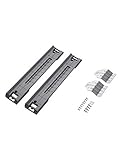
Overview: The Samsung SKK-8K stacking kit is an essential accessory for owners of Samsung 27-inch front-load washers and dryers looking to maximize vertical space. This simple but crucial bracket system securely fastens your dryer atop your washer, transforming two side-by-side appliances into a compact tower configuration without requiring new machine purchases.
What Makes It Stand Out: As an official Samsung accessory, this kit guarantees perfect compatibility and meets manufacturer safety standards, unlike universal kits that may void warranties. The included hardware ensures a straightforward installation process, while the minimal 2.48-inch height adds negligible bulk to your stacked configuration. It’s engineered specifically for Samsung’s vibration patterns and weight distribution.
Value for Money: Priced at just $39.72, this kit represents exceptional value—it’s a fraction of the cost of buying a new stacked unit or compact appliances. For Samsung owners, it’s the most economical way to reclaim floor space, essentially “creating” square footage in your laundry area for less than the cost of a dinner out.
Strengths and Weaknesses: Pros: Inexpensive space solution, official Samsung part ensures warranty compliance, all hardware included, easy DIY installation, sturdy construction. Cons: Only compatible with Samsung 27-inch models, doesn’t improve appliance performance, requires existing compatible appliances, no color options.
Bottom Line: If you own compatible Samsung laundry appliances and need to free up floor space, the SKK-8K stacking kit is a no-brainer purchase. It’s affordable, safe, and effective—just verify your model numbers before ordering to ensure compatibility.
3. Samsung WH46DBH500EV 4.6/7.6 Cu. Ft. Brushed Black Bespoke AI Stacked Washer/Dryer

Overview: Samsung’s Bespoke AI Stacked Washer/Dryer represents the pinnacle of smart laundry technology, featuring a 4.6 cubic foot washer paired with a 7.6 cubic foot electric dryer in a sophisticated brushed black finish. This premium unit integrates artificial intelligence throughout the laundry process, adapting to your habits and fabric types for optimized cleaning and drying performance.
What Makes It Stand Out: The AI Laundry Hub serves as an intelligent command center, learning your preferences and suggesting cycles while the AI OptiWash and AI Optimal Dry systems automatically adjust water levels, wash times, and drying temperatures based on load weight and soil detection. The Bespoke design language offers a modern, premium aesthetic that elevates laundry room appearance beyond typical appliance styling.
Value for Money: At $1,753, this is a premium investment, but the AI capabilities and larger capacities (notably the dryer’s 7.6 cu.ft) justify the cost compared to non-AI stacked units. For tech-savvy households valuing automation and fabric care optimization, the time savings and clothing preservation features deliver long-term value that offsets the initial expense.
Strengths and Weaknesses: Pros: Advanced AI optimization reduces guesswork, large dryer capacity handles bulky items, stylish Bespoke finish, smart connectivity, energy-efficient operation. Cons: Premium price point, complex technology may require service, AI features have learning curve, limited to Samsung ecosystem.
Bottom Line: This Samsung Bespoke AI unit is ideal for technology enthusiasts willing to pay for intelligent automation and premium design. While overkill for basic laundry needs, its AI-driven performance and sleek aesthetics make it a standout choice for modern homes.
4. Washer and Dryer Combo, 3.1 cu.ft, 120V All In One Ventless Compact 24 Inch Large Capacity, Lavadora y Secadora 2 in 1 for RV Apartment Home, Child lock, Full-Automatic, Overnight Wash and Dry

Overview: This all-in-one washer-dryer combo offers a compact 3.1 cubic foot solution for space-constrained living, operating on standard 120V power without external venting requirements. Measuring just 24 inches wide, it’s purpose-built for apartments, RVs, and small homes where traditional laundry setups are impossible, combining washing and drying functions in a single drum.
What Makes It Stand Out: The ventless design with heat pump technology is the key differentiator, allowing installation anywhere with a power outlet and eliminating complex ductwork. The 16 fabric-specific programs, including dedicated cycles for delicates, wool, and baby wear, provide versatility uncommon in compact units. The overnight wash-and-dry function completes full loads while you sleep, maximizing convenience.
Value for Money: At $1,281.90, this unit competes aggressively in the compact appliance market, offering heat pump efficiency typically found in pricier European models. For urban dwellers or RV owners, it eliminates laundromat costs and saves hours weekly, paying for itself within a year while adding property value.
Strengths and Weaknesses: Pros: True ventless installation freedom, energy-efficient heat pump, UL Energy Verified, child lock safety, 16 specialized cycles, overnight function. Cons: Small 3.1 cu.ft capacity limits load size, cycle times are longer than separate units, generic brand may affect service availability, 120V extends drying time.
Bottom Line: Perfect for small-space living, this combo delivers remarkable versatility and convenience despite capacity limitations. If you prioritize space savings and installation flexibility over speed, it’s an excellent choice that eliminates venting hassles entirely.
5. Equator Matching Laundry Set 110V ONE OUTLET 15 Lb Washer 1.62 cu.ft+13Lb Vented Dryer 3.1cu.ft

Overview: The Equator Matching Laundry Set provides a unique flexible solution with a 15-pound capacity washer (1.62 cu.ft) and 13-pound vented dryer (3.1 cu.ft) that can operate from a single 110V outlet. This set adapts to your space—stack it vertically or place side-by-side—while delivering full functionality for apartments or small homes without 220V wiring.
What Makes It Stand Out: The single-outlet 110V operation is revolutionary for renters and older homes lacking dedicated dryer circuits. The Pet Cycle specifically targets pet hair removal, a rare feature in compact sets. Four memory programs store your custom settings, while the vented sensor dryer provides faster drying than ventless alternatives, automatically stopping when clothes are dry to prevent energy waste.
Value for Money: Priced at $1,559, this set offers excellent value for those unable to install 220V lines. The flexibility to rearrange units and the specialized pet cycle add utility that justifies the cost over basic compact sets. It’s particularly valuable for pet owners who would otherwise need separate de-furring treatments.
Strengths and Weaknesses: Pros: Single 110V outlet operation, flexible stacking or side-by-side placement, pet hair removal cycle, sensor drying prevents over-drying, memory programs save time. Cons: Washer capacity smaller than dryer (1.62 vs 3.1 cu.ft), vented design requires duct installation, not as sleek as integrated units, may need multiple cycles for large families.
Bottom Line: The Equator set excels for pet owners and renters constrained by electrical limitations. While the capacity mismatch requires planning, the 110V flexibility and pet-specific features make it a practical, problem-solving choice for targeted needs.
6. Washer Dryer Stacking Kit, Universal 29"/28"/27"/26"/25"/24"Washer and Dryer Stackable with Pull-out Drying Rack, Small Space Saving Solution Stacking Kit with Ratchet Strap

Overview: This universal stacking kit transforms your side-by-side washer and dryer into a space-saving vertical configuration. Designed to fit machines from 24 to 29 inches wide, it’s an ideal solution for apartment dwellers and homeowners with compact laundry areas. The kit includes a pull-out drying rack and ratchet straps for secure installation without permanent hardware.
What Makes It Stand Out: The adjustable design accommodates six different width settings, making it truly universal across brands. The integrated pull-out drying rack provides bonus storage for detergent and hanging space for delicates. Anti-vibration pads line the tracks to minimize noise and movement, while the ratchet strap system ensures stability during high-speed spin cycles.
Value for Money: At $39.99, this kit costs 50-75% less than manufacturer-specific alternatives. The multi-size compatibility future-proofs your investment against appliance upgrades. The added drying rack functionality and included securing hardware deliver exceptional value. For renters and budget-conscious buyers, it’s a fraction of the cost of buying a new stacked unit.
Strengths and Weaknesses: Pros: Universal width adjustment; Tool-free 5-minute installation; Integrated drying rack; Anti-vibration technology; Budget-friendly price Cons: Plastic construction lacks premium feel; Visible ratchet straps; Requires precise measurement; Not for commercial machines; Limited weight capacity information
Bottom Line: This stacking kit is a practical, affordable solution for maximizing laundry space. While it won’t match OEM aesthetics, its versatility and functionality make it perfect for renters and value-focused homeowners. Measure twice, install once, and reclaim valuable floor space without breaking the bank.
7. BLACK+DECKER Washer and Dryer Combo, 2.7 Cu. Ft. All In One Washer and Dryer with LED Display & 16 Cycles
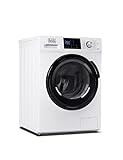
Overview: BLACK+DECKER’s ventless combo unit consolidates washing and drying into a single 2.7 cubic foot appliance. Operating on standard 120V power, this front-loading machine offers 16 specialized cycles and suits apartments where separate units and venting are impractical. The transparent lid lets you monitor progress while the compact footprint fits almost anywhere.
What Makes It Stand Out: The extensive 16-cycle menu rivals full-size machines, including niche options like Sanitary, Wool, and Baby Wear. The 120V operation eliminates costly electrical upgrades, while ventless technology allows installation in any room with a water connection. The LED display provides clear cycle selection, and the compact dimensions match a standard dishwasher.
Value for Money: At $1,027.02, this mid-range combo saves thousands compared to separate purchases plus installation. The 120V requirement alone can save $500+ in electrical work. While cycle times run longer than separate units, the space and installation savings justify the price for urban dwellers. It competes well with similar combos offering fewer features.
Strengths and Weaknesses: Pros: 16 versatile wash cycles; Standard 120V power; Flexible ventless installation; Reputable brand reliability; Space-saving design Cons: Sequential operation increases total time; Drying capacity half of washing; Longer cycles than separates; Single point of failure risk; Not for large families
Bottom Line: This BLACK+DECKER combo excels for singles and couples in apartments. If you prioritize space savings over speed and can work within capacity limits, it delivers genuine convenience. The 120V operation and ventless design are game-changers for renters. Families should consider larger alternatives, but for targeted use, it’s a smart, practical choice.
8. GE 27" Unitized Washer-Elec Dryer White
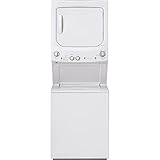
Overview: GE’s unitized system combines a full-size washer and electric dryer in a single vertical configuration. This heavy-duty laundry center delivers commercial-grade capacity and performance while occupying half the floor space of separate units. At 330 pounds and 70 inches tall, it’s built for permanent installation in dedicated laundry closets and family homes.
What Makes It Stand Out: Unlike compact combos, this unitized design provides true full-size capacity in both compartments, allowing simultaneous operation. GE’s reputation for durability shines through the robust construction. The separate washer and dryer function independently, eliminating the sequential cycle bottleneck of all-in-one units and significantly reducing total laundry time.
Value for Money: At $1,389.98, this unit costs less than most mid-range separate washer-dryer pairs while saving installation complexity. The ability to wash and dry concurrently provides significant time savings for busy families. However, the 240V dryer requirement may add electrical costs. For households needing real capacity in limited space, it offers compelling long-term value.
Strengths and Weaknesses: Pros: Full-size washing capacity; Simultaneous operation capability; Proven GE reliability; Space-efficient vertical design; Separate compartments prevent bottlenecks Cons: Requires 240V electrical connection; Heavy and difficult to move; Vented dryer needs exhaust; Larger footprint than compact combos; Professional installation recommended
Bottom Line: This GE unitized system serves families needing genuine laundry capacity without room for side-by-side units. It trades compact flexibility for performance and speed. If you have proper vertical space, electrical supply, and venting, it’s a reliable workhorse. Not suitable for apartments, but perfect for laundry closets in homes where capacity matters more than ultimate space savings.
9. Equator DELUXE Matching LAUNDRY SET 110V Washer 1.9 cu.ft + Vented Sensor Dryer 4 cu.ft (Side by Side)

Overview: Equator’s coordinated laundry set pairs a compact 1.9 cubic foot washer with a spacious 4 cubic foot vented dryer for efficient side-by-side operation. This 110V set allows simultaneous washing and drying, cutting laundry time compared to all-in-one units. The matching design creates a cohesive laundry station for apartments and small homes.
What Makes It Stand Out: The separate units enable true concurrent operation, washing new loads while drying finishes. The vented dryer with sensor technology dries faster and more efficiently than ventless alternatives, preventing over-drying and saving energy. Operating on standard household 110V eliminates complex electrical requirements, making installation straightforward in any living situation.
Value for Money: At $1,499.00, this premium set costs more than combos but delivers superior performance through simultaneous operation. The time savings alone justify the price for busy households. While you could assemble separates cheaper, the matched sizing and coordinated design simplify purchasing and installation. The vented dryer’s efficiency provides long-term energy savings.
Strengths and Weaknesses: Pros: Simultaneous wash and dry cycles; Vented dryer efficiency; Sensor drying prevents damage; Standard 110V operation; Coordinated matching design Cons: Premium pricing; Requires venting installation; Combined footprint larger than combos; Smaller washer capacity; Two water connections needed
Bottom Line: This Equator set bridges compact combos and full-size separates, perfect for small families prioritizing efficiency. The simultaneous operation is the killer feature—if you value time over absolute space minimization, it’s worth the investment. Ensure you have venting capability and adequate side-by-side space. For apartment dwellers wanting vented performance without 240V power, it’s an excellent niche solution.
10. COMFEE’ 24" Washer and Dryer Combo 2.7 cu.ft 26lbs Washing Machine Steam Care, Overnight Dry, No Shaking Front Load Full-Automatic Machine, Dorm White
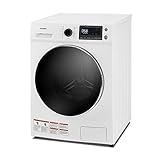
Overview: COMFEE’s ventless combo unit packs 2.7 cubic feet capacity into a compact 24-inch frame designed for dorms and apartments. This all-in-one machine features steam care, overnight wash-and-dry cycles, and anti-shake technology. The inverter motor enhances energy efficiency while standard power requirements simplify installation anywhere with water access.
What Makes It Stand Out: The steam care function permeates fabrics for 30 minutes, reducing wrinkles and odors without harsh chemicals. The overnight cycle completes full wash-and-dry sequences while you sleep, delivering ready-to-wear clothes by morning. Anti-shake technology ensures quiet operation, and the inverter motor provides superior energy efficiency compared to conventional motors.
Value for Money: At $999.00, this COMFEE combo undercuts major brands while offering premium features like steam cleaning. The energy-efficient inverter motor yields long-term utility savings. Compared to similar capacity units, it’s competitively priced with unique convenience features. The overnight cycle adds significant value for busy professionals who want laundry done while they rest.
Strengths and Weaknesses: Pros: Innovative steam care functionality; Convenient overnight cycle; Energy-saving inverter motor; Anti-shake stability; Competitive pricing Cons: Requires transport bolt removal; Ventless drying takes longer; Complex features need learning curve; Newer brand reliability unproven; Smaller capacity limits family use
Bottom Line: This COMFEE combo delivers excellent value with features absent in pricier competitors. The overnight and steam cycles are genuinely useful innovations. It’s perfect for tech-savvy apartment dwellers and students wanting maximum convenience. While brand recognition trails industry giants, the feature set and price create a compelling package for singles and couples prioritizing smart functionality over brand legacy.
Why Full-Size Stackable Combos Are Perfect for Growing Families
The Space-Saving Revolution
The average American laundry room measures just 35-40 square feet—hardly enough real estate for two massive appliances sitting side-by-side. Stacking your full-size units immediately frees up 8-10 square feet of floor space, which translates to storage for detergents, a dedicated folding counter, or even just room to maneuver when you’re carrying a basket the size of a small car. For families in urban townhouses or older homes with converted closet laundry areas, this vertical solution isn’t just convenient—it’s the only viable option.
Performance Without Compromise
Gone are the days when “stackable” meant “apartment-grade.” Today’s full-size models boast the same 4.5+ cubic foot wash drums and 7+ cubic foot dryer capacities as premium standalone units. The difference? They’re engineered with reinforced frames and advanced suspension systems specifically designed to handle the vibration of stacked operation. Manufacturers now test these units as integrated systems rather than two separate appliances, ensuring the dryer’s tumbling action doesn’t turn your wash cycle into a mechanical bull ride.
Understanding the True Meaning of “Full-Size” in 2026
Capacity Metrics That Matter
Here’s where manufacturers love to play games. “Full-size” in 2026 means a minimum of 4.5 cubic feet for the washer and 7.0 cubic feet for the dryer—anything less, and you’re looking at mid-size or compact categories. But drum volume alone doesn’t tell the whole story. The real indicator is laundry weight capacity: 18-22 pounds per wash load is the sweet spot for families of 4-6 people. Some brands now advertise “mega capacity” at 5.5+ cubic feet, but be warned—those units often require specialized 240V electrical setups and may not fit standard laundry closet dimensions.
Dimensional Standards
The industry has largely standardized around 27 inches wide for true full-size stackables, though you’ll find 29-inch “wide-body” options for dedicated laundry rooms. Height is where things get interesting. A stacked pair typically reaches 76-78 inches tall, but 2026’s models are trending slightly shorter—around 74 inches—thanks to redesigned control panels and more efficient motor placements. Always measure from floor to ceiling, accounting for any crown molding or bulkheads that could turn installation day into a nightmare.
Space Planning: Measuring Your Laundry Area Like a Pro
Vertical Clearance Considerations
Don’t just measure once and call it a day. You need a minimum of 80 inches of vertical clearance to comfortably install and service a stacked unit—that extra space above the unit isn’t luxury, it’s necessity for technicians who might need to remove the dryer for repairs. Account for overhead ductwork, pipes, or shelving that might interfere. Pro tip: use a laser level to map out your entire vertical space, including any sloped ceilings in attic laundry conversions.
Access and Clearance Requirements
Manufacturers specify 1 inch of clearance on each side and 6 inches behind the units for proper ventilation and hose connections. But here’s what they don’t emphasize: you need at least 48 inches of clear space directly in front of the units to fully open doors and maneuver large items like comforters. For closet installations, consider pocket doors or bifold doors that won’t eat into your working space. The worst mistake? Forgetting to measure doorways and hallways leading to the laundry area—some full-size units won’t make tight turns even with doors removed.
Structural Support Needs
A full-size stackable pair weighs 350-450 pounds when installed. That’s like parking a grand piano in your laundry room. If you’re placing this on an upper floor, verify floor joist capacity. For main floor installations on concrete slabs, you’re golden. But for wood-frame construction, particularly in older homes, consider reinforcing the subfloor with ¾-inch plywood sheathing to prevent flexing that leads to noise, vibration, and eventual mechanical failure.
Capacity Considerations: How Much Drum Space Do You Really Need?
Family Size Formula
The industry rule of thumb—4.5 cubic feet for families of four—needs updating for 2026 lifestyles. With bulkier athletic wear, frequent bedding changes, and the trend toward washing clothes more often, families of four should target 5.0+ cubic feet. For families of five or more, or those with young children in cloth diapers, aim for the 5.5-6.0 cubic foot range. Remember: overloading a washer reduces cleaning effectiveness and strains the motor, while underutilizing a massive drum wastes water and energy.
Bulk Item Reality Check
That capacity rating gets tested when you toss in a king-size comforter. In 2026, look for washers with dedicated “bulky item” cycles that adjust water levels and agitation patterns. For dryers, ensure the drum depth exceeds 30 inches—anything shallower will compress comforters into a ball that never dries evenly. Some advanced models now include reverse-tumble technology specifically designed to unball large items mid-cycle, saving you from the dreaded damp-center surprise.
Ventilation Requirements: Vented vs. Ventless Technology
Traditional Vented Systems
Vented dryers remain the gold standard for drying speed and efficiency, pumping moist air outside through a 4-inch rigid metal duct. For families, this means faster turnaround on large loads—critical when you’re doing 8-10 loads weekly. However, 2026 building codes in many municipalities now require longer duct runs to terminate at least 3 feet from any window or door, complicating installations. Inspect your ductwork annually; lint buildup in long runs creates fire hazards and reduces efficiency by up to 30%.
Heat Pump Ventless Innovation
Heat pump dryers have revolutionized the ventless category, using refrigeration technology to extract moisture and recycle hot air. They use 50-60% less energy than conventional vented models and eliminate ductwork entirely. The trade-off? Cycle times run 20-40% longer, and the initial cost premium is substantial—typically $800-1,200 more. For families in condos, apartments, or homes without existing venting, this technology has become a game-changer, especially with 2026’s improved heat exchanger designs that reduce maintenance frequency.
Condenser Dryers Explained
Traditional condenser dryers still populate the budget end of ventless options, collecting moisture in a reservoir or pumping it to a drain. They’re simpler and cheaper than heat pumps but consume nearly as much energy as vented models while delivering longer dry times. For families, the constant emptying of water trays becomes a daily annoyance. If you’re considering this route, insist on a model with direct drain plumbing—your future self will thank you.
Dryer Power Sources: Gas vs. Electric Deep Dive
Installation Infrastructure
Gas dryers require a dedicated 120V electrical outlet plus a natural gas or propane line. In 2026, the cost to run a new gas line averages $500-800, making electric models more attractive for homes without existing service. Electric dryers need a 240V, 30-amp circuit—if your panel is already maxed out, upgrading can cost $1,500-3,000. Check your main electrical panel’s capacity before falling in love with any model; many 1970s-1990s homes have 100-amp service that’s already stretched thin.
Operating Cost Analysis
With electricity rates climbing 8-12% annually in most regions, gas dryers now cost 30-40% less to operate per load. For a family running 8 loads weekly, that’s roughly $150-200 yearly savings. However, the math shifts if you have rooftop solar or subscribe to community solar programs—electric becomes the economical choice. Use the DOE’s appliance energy calculator with your local utility rates to run personalized numbers; the results might surprise you.
Performance Differences
Gas dryers heat up faster and maintain higher temperatures, cutting dry times by 15-20% compared to standard electric coils. This speed advantage compounds when you’re processing multiple loads back-to-back. However, 2026’s premium electric dryers with heat pump technology now match or exceed gas performance while using fraction of the energy. For families, the real question isn’t gas vs. electric—it’s traditional electric vs. heat pump electric, with gas as a declining middle option.
Wash Cycle Innovations That Actually Matter for Families
Stain Removal Technologies
Forget generic “heavy duty” cycles. Look for washers with dedicated stain treatment options—think enzymatic soaking phases, targeted spray jets, and adaptive temperature profiling. The best systems now offer 10-12 distinct stain settings (grass, blood, chocolate, mud) that adjust chemistry and mechanics accordingly. For families with active kids, this eliminates pre-treating rituals that add 20 minutes to every laundry session.
Allergy and Sanitize Cycles
True sanitize cycles reach 150-165°F and maintain that temperature for at least 10 minutes, killing 99.9% of bacteria and dust mites. This isn’t marketing fluff—it’s NSF certification with measurable results. For families with allergy sufferers or newborns, this feature justifies its own price premium. Be wary of “allergen” cycles that only reach 120°F; they help but don’t truly sanitize. The gold standard in 2026 combines high heat with steam injection and extended rinse phases.
Speed Wash Realities
That 15-minute quick wash sounds magical until you realize it only handles 2-3 pounds of lightly soiled items. For families, the more useful innovation is the “turbo” or “super speed” cycle that cleans a full 8-pound load in 30-40 minutes by using higher spin speeds and optimized water jets. These cycles save 20-30 minutes per load, which adds up to real time savings across 10 weekly loads. Just ensure the unit balances speed with fabric care—aggressive cycles wear out clothes faster.
Dryer Technologies That Protect Your Clothes
Moisture Sensing Accuracy
Basic dryers use two metal bars that sense electrical conductivity—effective but crude. 2026’s premium models employ triple-sensor arrays measuring temperature, humidity, and conductivity simultaneously, adjusting dry time in real-time. This prevents the over-drying that destroys elastic in kids’ underwear and fades dark fabrics. For families, this precision saves $200-300 annually in clothing replacement costs. Check reviews for “dryness accuracy” complaints; even expensive models can struggle with mixed loads.
Steam Functions Worth Having
Steam refresh cycles that dewrinkle 3-4 items in 10 minutes are legitimate time-savers for busy mornings. But the real family-friendly feature is steam sanitizing that kills germs without washing—perfect for stuffed animals, decorative pillows, or coats that can’t handle full immersion. Avoid dryers with “steam assist” that merely sprays water during heated cycles; true steam requires a dedicated generator and water line connection.
Drum Design Impact
Stainless steel drums remain standard, but the interior design now matters more. Look for drums with offset vanes (the paddles that lift clothes) that create a “baffling” effect, reducing tangling and balling. Some 2026 models feature textured drum surfaces that create air pockets, improving drying efficiency by 10-15%. For families, this means fewer twisted sheets and more consistent results across bulky loads.
Smart Features: From Gimmick to Game-Changer
Remote Monitoring Benefits
Smart connectivity has matured beyond “start your dryer from the grocery store” novelty. The real value lies in cycle completion notifications that prevent mildew from forgotten loads—a common family occurrence. Advanced systems now send alerts when lint filters need cleaning or when unbalanced loads are detected, preventing walk-down-to-a-shaking-unit surprises. Integration with family calendars can even suggest optimal laundry times based on everyone’s schedules.
AI-Powered Cycle Selection
Machine learning has finally delivered practical benefits. Top-tier washers now analyze load weight, fabric type, and soil level automatically, selecting optimal cycles without your input. For families, this means kids can do laundry without accidentally shrinking wool sweaters or using excessive water on tiny loads. The AI improves over time, learning your family’s patterns and preferences—though privacy-conscious parents should review data collection policies.
Maintenance Alerts
Predictive maintenance represents the biggest smart feature breakthrough. Sensors monitor motor vibration patterns, drain pump efficiency, and bearing wear, alerting you to issues 2-3 months before failure. For a family dependent on laundry facilities, this $200 sensor package can prevent the catastrophic failure that happens on Sunday night before a busy week. Some manufacturers now offer free extended warranties if you enable these monitoring features, turning smart tech into insurance.
Energy Efficiency: Decoding 2026 Standards and Savings
New ENERGY STAR Criteria
The EPA tightened ENERGY STAR requirements in 2025, raising the bar for both water and energy consumption. Washers must now use less than 40 gallons per cycle (down from 45) and dryers must demonstrate a 15% improvement in efficiency over 2024 models. Look for the new “ENERGY STAR Most Efficient” badge—a designation only 10-15% of models achieve. These units qualify for the highest utility rebates, sometimes offsetting 20-30% of purchase price.
Water Usage Benchmarks
Front-load washers dominate efficiency, using 13-15 gallons per load versus 25-30 for outdated top-load agitator models. But 2026’s high-efficiency top-loaders have closed the gap to 18-20 gallons by using impeller systems and precise fill sensors. For families on septic systems or in drought-prone regions, every gallon counts. Calculate your annual water usage: 8 loads/week × 52 weeks × gallons per load. The difference between 15 and 25 gallons is 4,160 gallons yearly—enough to fill a small swimming pool.
Utility Rebate Opportunities
Utility companies have expanded rebate programs, with some offering $300-500 for qualified pairs. The catch? Many require professional installation documentation and proof of recycling your old units. Stack the rebates: manufacturer energy incentives ($100-200), state efficiency programs ($200-400), and utility rebates can total $600-1,100. Check the DSIRE database and your utility’s website before purchasing; some rebates expire quarterly and reset with new funding.
Noise Levels: Maintaining Household Peace
Decibel Ratings Explained
Washer noise levels below 50 dB during wash cycles are considered “library quiet,” while 50-60 dB is typical conversation level. Spin cycles jump to 70-75 dB—about as loud as a vacuum cleaner. For families with laundry near bedrooms or living areas, aim for washers under 48 dB and dryers under 62 dB. The difference between 48 dB and 55 dB is exponential; every 3 dB represents a doubling of sound intensity. Don’t trust manufacturer specs; check independent tests that measure real-world performance with unbalanced loads.
Vibration Reduction Features
Direct-drive motors (which eliminate belts) and advanced suspension systems have cut vibration by 40% compared to 2020 models. Look for washers with “vibration reduction technology” that uses counter-rotating weights to cancel out drum oscillation. Some units include “second floor guarantee” warranties specifically covering vibration-related issues—a telling sign of confidence. For stacked installations, vibration isolation pads are non-negotiable; they absorb 30-50% of transmitted vibration and protect your floor structure.
Strategic Placement Tips
If possible, position your stacked unit against a load-bearing wall rather than a partition wall. The extra structural support reduces vibration transmission dramatically. Avoid placing units in corners where sound can amplify; a 6-inch air gap on all sides acts as a natural sound buffer. For upper-floor installations, consider adding mass-loaded vinyl sheeting behind the unit during installation—an $80 material that reduces noise transmission through walls by 15-20 dB.
Installation Essentials: What Your Contractor Won’t Tell You
Electrical Requirements
Electric dryers demand a dedicated 240V/30A circuit, but 2026’s heat pump models may require 240V/20A—different wiring entirely. Have an electrician verify your panel’s spare capacity and the gauge of existing wiring. Many homeowners discover their “dryer outlet” is only 120V, requiring a $800-1,500 electrical upgrade. For gas dryers, that 120V outlet must be GFCI-protected within 6 feet of water sources—a code detail often missed until inspection.
Water Line Specifications
Washers need both hot and cold water supplies with ¾-inch connections, but water pressure matters tremendously. Ideal pressure is 20-116 PSI; below 40 PSI, fill times drag and sensors misread loads. Install accessible shut-off valves with lever handles (not round knobs) for emergency access. Consider adding a whole-house water hammer arrestor near the laundry area—those sudden valve closures create pressure spikes that strain internal hoses and cause premature failure.
Venting Best Practices
Rigid metal ductwork beats flexible foil every time; it reduces lint buildup and maintains proper airflow. Keep duct runs under 25 feet with minimal bends—each 90-degree elbow adds 5 feet to the effective length. Install a dryer box recessed into the wall to prevent crushed ducts behind the unit. For ventless installations, ensure the room has adequate makeup air (minimum 50 square feet or a louvered door) to prevent negative pressure that can backdraft other appliances.
Maintenance Musts: Extending Your Investment’s Lifespan
Monthly Cleaning Rituals
Run a washer cleaning cycle with actual washer cleaner (not just vinegar) monthly to prevent biofilm buildup that causes odors and reduces efficiency. Clean dryer lint screens with soap and water every month—fabric softener residue creates an invisible film that restricts airflow. Wipe door gaskets weekly with a microfiber cloth; trapped moisture breeds mold that can ruin a $1,200 washer in two years. These 15-minute rituals add 3-5 years to appliance life.
Annual Professional Servicing
Hire a technician annually to clean internal dryer ductwork, inspect washer drain pumps for debris (those missing socks have to go somewhere), and calibrate sensors. This $150 service prevents 80% of common failures. For families hitting 10+ loads weekly, bump this to every 9 months. Think of it like an oil change—skip it, and you’ll pay tenfold later. Some manufacturers now offer subscription maintenance plans that include priority service and discounted parts.
Filter Maintenance
Modern washers have multiple filters: drain pump filters (accessible via front panel), inlet water filters (behind hoses), and some even have lint filters in the drum. Clean the drain pump filter every 3 months—coins, hair ties, and LEGO pieces accumulate faster than you’d believe. Inlet filters need cleaning every 6 months, especially in areas with hard water. Keep a dedicated “appliance maintenance” calendar reminder; consistency matters more than occasional deep cleans.
Budget Breakdown: True Cost of Ownership Beyond the Price Tag
Initial Purchase Price Ranges
Entry-level full-size stackables start around $1,800 for the pair, delivering basic capacity and reliability. Mid-tier options ($2,500-3,500) add advanced wash cycles, better efficiency, and quieter operation. Premium models ($4,000-6,000) bring heat pump dryers, AI features, and commercial-grade components. For families, the sweet spot is $3,000-4,000—that’s where you get durability without diminishing returns. Remember to factor in $200-400 for delivery, installation, and old appliance removal.
Installation Costs
Budget $500-1,500 for installation beyond the basic connect-and-go. This covers electrical upgrades, gas line work, venting modifications, or structural reinforcement. If you need a new 240V circuit, get three quotes—electricians’ rates vary wildly. For ventless installations, factor in $300-600 for professional drainage setup and room ventilation assessment. DIY installation voids most warranties and risks improper leveling that causes premature bearing failure.
Long-term Operating Expenses
Calculate annual costs: electricity ($80-150 for electric, $50-90 for gas), water ($30-60), detergent ($150-200), and maintenance ($150-300). Over a 12-year lifespan, operating costs can exceed the purchase price. A $1,000 premium for a heat pump dryer pays for itself in 5-6 years through energy savings alone. Factor in clothing replacement costs too—gentler machines save $300-500 yearly in extended garment life. The cheapest upfront option is rarely the cheapest over time.
Warranty and Support: What to Look for in 2026
Coverage Period Standards
The industry baseline is 1-year full coverage, but 2026’s competitive market has pushed many brands to 2-3 years on major components. Look for 10-year direct-drive motor warranties and lifetime stainless steel drum coverage—these indicate manufacturer confidence in core components. Read the fine print: some “10-year” warranties only cover parts, not labor, which can run $200-400 per service call. True family-friendly warranties include 5 years full coverage (parts + labor) on both units.
In-Home Service Terms
“In-home service” sounds straightforward until you learn some companies only cover repairs at authorized service centers—meaning you’re lugging a 200-pound dryer across town. Verify that warranty service includes true in-home repairs and that your zip code is within the standard service area (typically 50 miles from a metro center). Ask about weekend and evening service availability; a broken washer on Friday shouldn’t mean laundry piling up until Tuesday.
Extended Protection Plans
Third-party extended warranties are often profit centers with more exclusions than coverage. Instead, look for manufacturer-backed extended plans that add 3-5 years of comprehensive coverage for $300-500. These plans usually include annual maintenance, priority scheduling, and no-lemon clauses that replace units after three failed repairs. For families dependent on laundry, this insurance is worth every penny. Avoid retailer warranties that require service through their limited network of technicians.
Frequently Asked Questions
How long should a full-size stackable washer-dryer combo last with family use?
With proper maintenance, expect 10-12 years of reliable service. Families pushing 12-15 loads weekly may see 8-10 years. The dryer typically outlasts the washer by 2-3 years. Regular cleaning and annual professional servicing are the biggest factors in reaching the upper end of that range.
Can I stack any full-size washer and dryer together?
No—only units designed as compatible pairs should be stacked. Mixing brands or even different model years voids warranties and creates serious safety risks. The stacking kit must be specifically engineered for your exact models to ensure proper weight distribution and vibration control. Universal kits are a gamble not worth taking with $3,000+ appliances.
Are heat pump dryers worth the extra cost for large families?
For families doing 8+ loads weekly, yes. The energy savings ($150-200/year) pay back the premium in 5-7 years, and the gentler drying extends clothing life. However, longer cycle times mean planning ahead. If you often need clothes dried in under an hour, stick with vented. For eco-conscious families or those without venting options, heat pumps are transformative.
What’s the biggest installation mistake families make?
Measuring once and failing to account for service access. Technicians need 24-30 inches of clearance in front of the units to remove panels and perform repairs. Cramped installations lead to higher service costs and can prevent repairs altogether. Always design your space for maintenance, not just operation.
Do smart features really help with family laundry management?
The useful features are cycle completion alerts, maintenance reminders, and AI cycle selection that prevents user error. Remote start is largely gimmicky—most families don’t load the washer then leave for hours. Focus on smart features that solve real problems like forgotten loads and kids using wrong settings.
How much ventilation does a ventless dryer need?
Heat pump dryers need minimal ventilation—just a room with 50+ square feet or a door with louvers. Condenser dryers require more airflow, ideally a window or vented door. Never install ventless dryers in enclosed closets without air exchange; they’ll work but efficiency drops 30-40% and cycle times extend dramatically.
Can these units handle pet hair and heavy shedding?
Yes, but look for washers with dedicated pet hair removal cycles that add extra rinse phases and filtration. Dryers should have double lint screens and interior drum lights (so you can see accumulated hair). Clean the washer drain pump filter monthly if you have heavy shedders—it clogs faster than you’d imagine.
What’s the quietest time to run laundry with kids sleeping?
Modern units quiet enough for overnight operation spin at 48 dB or less. If your washer exceeds 50 dB, schedule loads during daytime hours. The real noise culprit is often unbalanced loads during spin—use “bedding” cycles for large items and avoid running the washer and dryer simultaneously if noise is a concern.
Should I buy now or wait for better technology?
2026 represents a sweet spot: heat pump dryers are mature and reliable, smart features are actually useful, and efficiency standards have stabilized. Waiting for “next year’s model” rarely pays off in appliances. Buy when you need it, focusing on proven features rather than bleeding-edge tech that may not last.
How do I prevent mold and odors in front-load washers?
Leave the door ajar after each use—every time, no exceptions. Wipe the gasket dry after the last daily load. Run a cleaning cycle monthly with a washer cleaner containing oxygen bleach. Use high-efficiency detergent only; excess suds leave residue that breeds mold. These three habits eliminate 95% of odor issues.