Imagine cutting your laundry energy bills by over 60% while giving your favorite garments the gentlest treatment possible. That’s not a futuristic fantasy—it’s the reality heat-pump dryers are delivering to households right now, and 2026 promises even more impressive innovations. As utility costs climb and environmental consciousness becomes non-negotiable, these remarkable appliances have evolved from niche European imports to mainstream must-haves for anyone serious about sustainable living.
But here’s what most buying guides won’t tell you: not all heat-pump dryers are created equal, and the “best” choice depends on far more than just the energy star rating on the yellow label. From advanced humidity sensors that prevent over-drying to smart grid integration that automatically runs when electricity is cheapest, the technology has become surprisingly sophisticated. Whether you’re renovating your laundry room or simply upgrading from that energy-guzzling vented model, understanding what separates exceptional heat-pump dryers from mediocre ones will save you thousands over the appliance’s lifetime.
Top 10 Heat-Pump Dryers for Energy-Conscious Households
Detailed Product Reviews
1. Samsung 4.0 Cu Ft Heat Pump Dryer, Compact Clothes Drying Machine, Stackable for Small Spaces w/Sensor Dry, 12 Preset Cycles, 40 Minute Express Dry, DV25B6900HW/A2, White
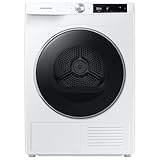
Overview: The Samsung DV25B6900HW/A2 heat pump dryer delivers full-size performance in a compact 4.0 cubic foot package designed for apartments, closets, and tight laundry spaces. This stackable unit uses advanced heat pump technology to recycle hot air, making it significantly more energy-efficient than conventional vented dryers while being gentler on fabrics.
What Makes It Stand Out: Samsung’s 40-minute Express Cycle is a game-changer for busy households, drying small 2-pound loads quickly when you’re in a rush. The intelligent Sensor Dry system continuously monitors moisture levels, automatically adjusting time and temperature to prevent over-drying and protect your clothes. With Smart Care integration, you can troubleshoot issues directly from your smartphone, eliminating guesswork and service calls. The 12 preset cycles cover everything from heavy-duty items to delicates.
Value for Money: At $1,169, this dryer commands a premium over traditional models but pays dividends through 40-50% energy savings and fabric preservation. Heat pump dryers typically cost $200-400 more upfront than vented equivalents, but utility rebates and lower operating costs recoup the difference within 2-3 years for average users.
Strengths and Weaknesses: Strengths include exceptional energy efficiency, space-saving design, rapid express cycle, smart diagnostics, and precise moisture sensing. Weaknesses involve longer drying times for full loads compared to conventional dryers, higher initial investment, and the need to clean heat exchanger filters regularly.
Bottom Line: Perfect for eco-conscious urbanites and small families prioritizing energy savings and fabric care over raw speed. The smart features and compact design justify the price premium for space-restricted homes.
2. Summit 3.88 cu.ft. Heat Pump Dryer, ENERGY STAR Certified, 208-240V, Slim 24” Width, White - SLD242W

Overview: The Summit SLD242W heat pump dryer packs professional-grade features into a remarkably slim 24-inch profile, offering 3.88 cubic feet of capacity in a space-saving design. ENERGY STAR certified and built with a durable stainless steel drum spinning at 1400 RPM, this unit targets efficiency-conscious consumers needing maximum functionality in minimal square footage.
What Makes It Stand Out: With 14 specialized drying settings—including dedicated cycles for wool, delicates, and easy iron—this dryer offers more customization than most competitors. The innovative ECOEYE feature provides real-time power consumption data, empowering users to make greener choices. Unique functions like half-load optimization and anti-crease reduce energy waste and ironing time, while the start/stop button lets you pause mid-cycle to add forgotten items.
Value for Money: Priced at $1,138.04, the Summit undercuts comparable heat pump models by $100-200 while delivering superior cycle variety and commercial construction. The stainless steel drum resists chipping and corrosion better than coated alternatives, extending lifespan and justifying the investment for long-term homeowners.
Strengths and Weaknesses: Strengths include the ultra-slim width, extensive cycle options, eco-monitoring capabilities, durable drum, and flexible operation features. Weaknesses are the manual condensation tank requiring emptying every two cycles, less brand recognition than Samsung or LG, and potentially noisier operation at 1400 RPM.
Bottom Line: Ideal for space-critical installations and environmentally aware users who value granular control over drying cycles. The robust build and energy monitoring features make it a smart, cost-effective alternative to mainstream brands.
Understanding Heat-Pump Dryer Technology: The Science Behind the Savings
Heat-pump dryers represent a fundamental departure from conventional vented or even condenser dryers. Instead of generating heat through energy-intensive heating elements, these appliances operate like closed-loop air conditioners in reverse. They recycle the same heated air throughout the drying cycle, extracting moisture while preserving thermal energy. This process reduces electricity consumption by 50-70% compared to traditional models, making them the undisputed champions of laundry efficiency.
How Heat-Pump Dryers Work: A Non-Technical Breakdown
The Closed-Loop System Explained
Think of a heat-pump dryer as a sophisticated dehumidifier that happens to dry clothes. Warm air circulates through the drum, absorbing moisture from your laundry. This humid air then passes through an evaporator coil where moisture condenses into water, which gets pumped to a collection tank or drain. The now-dry air travels through a compressor that reheats it using minimal electricity, and the cycle repeats. No hot air escapes your home, and almost no heat energy gets wasted.
Why This Matters for Your Energy Bills
Traditional dryers continuously heat cold room air to 150-170°F, then vent it outside—literally throwing money and energy out the window. Heat-pump models maintain temperatures between 120-140°F, using refrigerant technology to move heat rather than create it. This difference explains why a conventional dryer might draw 5,000 watts while a heat-pump model operates at just 700-1,000 watts for the same load.
Energy Efficiency Metrics That Actually Matter in 2026
Decoding the Combined Energy Factor (CEF)
The Combined Energy Factor has replaced older metrics as the most reliable efficiency indicator. A CEF of 5.0 or higher qualifies for Energy Star certification, but 2026’s premium models routinely achieve 7.0-9.0. This translates to roughly 1-2 kWh per load versus 4-5 kWh for conventional dryers—a difference that compounds dramatically over 300+ annual cycles.
The Hidden Cost of Standby Power Consumption
Modern heat-pump dryers include smart features that draw phantom power. Look for models with standby consumption under 1 watt, or enable deep sleep modes. This seemingly minor detail can save an additional $15-25 annually, especially important for households using solar panels or battery storage systems.
Total Cost of Ownership: Beyond the Sticker Price
Initial Investment vs. Long-Term Savings
Yes, you’ll pay $500-$1,000 more upfront compared to a basic vented dryer. However, with average annual savings of $100-$200 on utility bills, most households break even within 4-6 years. Factor in potential utility rebates ($200-$500 in many regions) and federal tax incentives for energy-efficient appliances, and the payback period shrinks to just 2-3 years.
Maintenance Costs That Impact Your Wallet
Heat-pump dryers require more diligent maintenance than traditional models. The heat exchanger needs monthly cleaning to maintain efficiency, and professional service every 3-5 years costs $150-$250. However, the gentler drying action extends clothing life by 30-40%, saving hundreds in replacement costs for delicates and activewear.
Capacity Considerations: Matching Size to Household Needs
Understanding True Drying Capacity
Manufacturers often list capacity based on wet weight, but effective drying capacity matters more. A 4.5 cubic foot heat-pump dryer typically handles 15-18 pounds of laundry—slightly less than a conventional model of the same size. For families of four or more, consider 6+ cubic feet to avoid multiple cycles that negate energy savings.
The Compact vs. Full-Size Decision
Compact 24-inch models (2.5 cubic feet) serve singles and couples brilliantly, often fitting in closets or under counters. Full-size 27-inch units better suit families but require adequate ventilation clearance. Stackable configurations save space but may sacrifice capacity and accessibility for maintenance.
Installation Requirements Most People Overlook
Ventilation Needs (Yes, You Still Need Some)
Despite being “ventless,” heat-pump dryers require adequate room ventilation—about 10-12 square inches of permanent opening or a door that can stay ajar during operation. Without this, humidity builds up, reducing efficiency and potentially causing mold issues. Built-in models need professional installation to ensure proper air circulation.
Drainage Options: Tank vs. Direct Drain
Manual water tank emptying becomes tedious after the novelty wears off. Opt for direct drain installation if possible, routing condensation water to the same drain as your washer. This simple $50-$100 plumbing addition dramatically improves convenience and ensures the dryer operates at peak efficiency without interruption.
Advanced Moisture Sensing Technology
Multi-Point Sensor Arrays
2026’s sophisticated models employ 3-5 moisture sensors throughout the drum, detecting humidity levels in real-time. This prevents the dreaded “damp spots” that plague older designs and eliminates energy-wasting over-drying. The best systems adjust temperature and tumbling speed dynamically based on fabric type detection.
Fabric Type Recognition Capabilities
Premium heat-pump dryers now use AI-powered cameras or advanced weight sensors to identify materials automatically. This means your dryer knows the difference between cotton towels and synthetic activewear, adjusting the cycle to prevent damage while optimizing energy use. This feature alone can extend the life of expensive performance fabrics by years.
Smart Features That Deliver Real Value
Grid-Responsive Scheduling
The most innovative 2026 models integrate with utility smart grids, automatically running when electricity rates drop or renewable energy availability peaks. This can reduce drying costs by an additional 20-30% in regions with time-of-use pricing, essentially making your laundry schedule adapt to the cleanest, cheapest power available.
Predictive Maintenance Alerts
Forget calendar-based maintenance reminders. Advanced diagnostic systems monitor filter cleanliness, airflow restriction, and compressor efficiency, sending smartphone alerts only when action is truly needed. This prevents both neglect and unnecessary cleaning while maintaining optimal performance throughout the dryer’s lifespan.
Noise Levels: The Forgotten Factor
Decibel Ratings That Matter
Heat-pump dryers operate quieter than conventional models—typically 55-62 dB versus 65-70 dB. However, compressor cycling can create pulsating sounds that penetrate walls more effectively than constant noise. Look for models with variable-speed compressors and enhanced insulation, especially for second-floor installations near bedrooms.
Vibration Reduction Technology
The compressor’s operational frequency can cause subtle vibrations that resonate through floor joists. Models with active vibration dampening systems and adjustable feet minimize this issue. For apartments or condos, consider units certified for quiet operation with decoupled mounting systems that isolate the appliance from building structure.
Fabric Care and Drying Performance
Lower Temperatures, Better Garment Preservation
The gentler 120-140°F operating temperatures preserve elastic fibers, prevent cotton shrinkage, and protect technical fabrics that conventional dryers destroy. This means your premium yoga pants maintain compression, dress shirts resist collar warping, and microfiber towels retain absorbency for years longer.
Cycle Time Realities: Patience Required
Heat-pump dryers typically take 20-40% longer per load—75-90 minutes versus 50-60 minutes for conventional models. However, this trade-off delivers superior fabric care and energy savings. Some 2026 models feature “hybrid boost” modes that temporarily increase temperature for small loads, cutting times when you’re in a hurry without sacrificing efficiency on regular cycles.
Environmental Impact Beyond Energy Consumption
Refrigerant Types and Global Warming Potential
Not all heat-pump dryers are equally eco-friendly. Models using R290 (propane) refrigerant have a Global Warming Potential of 3, compared to R134a at 1,430. The most environmentally conscious 2026 models proudly advertise their low-GWP refrigerants, reducing climate impact even if the unit eventually leaks.
Recyclability and Manufacturer Take-Back Programs
Premium manufacturers now design dryers for disassembly, with modular components that can be refurbished or recycled. Some offer free take-back programs that ensure responsible end-of-life processing, preventing compressors and electronic components from entering landfills. This circular economy approach significantly reduces the appliance’s total environmental footprint.
Maintenance Requirements for Peak Efficiency
The Non-Negotiable Monthly Cleaning Routine
The heat exchanger filter requires monthly vacuuming or washing—skip this and efficiency drops 15-25% within three months. Lint filters need cleaning after every load (more frequently than conventional dryers), and the condenser unit benefits from annual professional cleaning. This maintenance burden is the primary trade-off for energy savings.
DIY vs. Professional Service
While homeowners can handle filter cleaning, the sealed refrigeration system requires certified technicians for any repairs. This specialized service costs more than conventional dryer repairs—budget $200-$400 for major issues versus $100-$250 for traditional models. However, the reliability of modern inverter compressors means major failures are rare within the first 8-10 years.
Common Misconceptions That Lead to Poor Choices
“They Don’t Work in Cold Climates”
This persistent myth scares off northern households unnecessarily. Modern heat-pump dryers operate effectively in ambient temperatures from 40-95°F. Below 50°F, cycle times extend slightly, but efficiency remains superior to conventional dryers. Garage installations in cold climates simply require minimal insulation or a small heating source to maintain reasonable ambient temperature.
“They’re Too Complicated to Repair”
While the technology is more complex, modular design has simplified common repairs. Most issues involve accessible components like sensors, pumps, or control boards—no refrigeration certification required. The compressor and sealed system, which do need specialized service, have 10-year warranties on premium models and failure rates under 3% in the first seven years.
Warranty and Service Network Considerations
What a Strong Warranty Actually Covers
The best warranties cover the heat pump system for 10 years, parts for 5 years, and labor for 2-3 years. Be wary of “limited lifetime” warranties with pro-rated coverage that provides minimal value after the first few years. Extended warranties often make sense for these appliances—consider a 5-year comprehensive plan for $150-$200 given the higher repair costs.
Evaluating Manufacturer Service Networks
Before purchasing, verify that authorized service technicians operate within 50 miles of your home. Some European brands offer superior technology but limited service coverage in rural areas, leading to 2-3 week wait times for repairs. Domestic manufacturers with established networks often provide faster service, offsetting potentially less advanced features.
Future-Proofing Your 2026 Purchase
Matter Protocol Integration
The new Matter smart home standard ensures your dryer will communicate with any ecosystem—Alexa, Google Home, Apple HomeKit—for the next decade. Models without Matter support may become obsolete as older protocols get phased out. This interoperability protects your investment as you upgrade other smart home devices.
Over-the-Air Update Capabilities
Firmware updates delivered via WiFi can improve efficiency algorithms, add new cycle options, and enhance smart grid integration years after purchase. This effectively extends the appliance’s useful life and capabilities without hardware changes, a feature that distinguishes forward-thinking manufacturers from those treating dryers as static appliances.
Frequently Asked Questions
Do heat-pump dryers really save enough money to justify the higher price?
Absolutely. Most households save $100-$200 annually on energy bills, with payback periods of 4-6 years without incentives. When you factor in utility rebates ($200-$500) and federal tax credits (up to $600 in 2026), the payback can be as short as 2-3 years. Additionally, gentler drying extends clothing life by 30-40%, saving hundreds more in replacement costs.
How much longer do heat-pump dryers take compared to conventional models?
Expect 20-40% longer cycle times—typically 75-90 minutes for a full load versus 50-60 minutes with traditional dryers. However, many 2026 models offer “speed” or “hybrid” modes for small loads that can match conventional dryer times while using only marginally more energy. The trade-off delivers superior fabric care and massive energy savings.
Can I install a heat-pump dryer in a garage or unheated space?
Yes, but with conditions. These dryers operate effectively in temperatures from 40-95°F. In colder garages, cycle times extend, but efficiency remains high. For climates where temperatures regularly drop below 40°F, add minimal insulation or a small space heater to maintain ambient temperature. Never install in freezing conditions as this can damage the refrigeration system.
What maintenance is absolutely required, and how often?
Clean the lint filter after every load—more frequently than conventional dryers. Vacuum or wash the heat exchanger filter monthly; skipping this reduces efficiency by 15-25%. Empty the water tank after each cycle unless using direct drain. Have the condenser unit professionally cleaned annually. This routine takes 5-10 minutes monthly but is non-negotiable for optimal performance.
Are heat-pump dryers reliable, or do they break down more often?
Modern heat-pump dryers match or exceed conventional dryer reliability. The sealed refrigeration system has failure rates under 3% within the first seven years, and inverter compressors are exceptionally durable. The main difference is repair cost—$200-$400 for major issues versus $100-$250 for traditional models—offset by longer clothing life and energy savings.
Do these dryers work with all types of fabric and laundry?
Better than conventional dryers, actually. Lower operating temperatures (120-140°F) safely dry delicates, activewear, wool, and even items labeled “line dry only.” The gentler action preserves elastic fibers, prevents shrinkage, and protects technical fabrics. For bulky items like comforters, ensure you purchase a model with at least 6 cubic feet capacity and a dedicated bedding cycle.
How do I know if my electrical panel can handle a heat-pump dryer?
Good news—most heat-pump dryers draw only 700-1,000 watts, compared to 5,000 watts for conventional models. They typically run on standard 120V 15-amp circuits rather than requiring dedicated 240V lines. This makes them ideal for older homes, apartments with limited electrical capacity, or households adding a dryer to a previously underequipped space.
Will a heat-pump dryer increase humidity in my home?
Only minimally, and only if you use the water tank rather than direct drain. These dryers are ventless but not hermetically sealed—about 5-10% of extracted moisture may escape into the room. Proper installation requires 10-12 square inches of permanent ventilation or an open door during operation. In most homes, this humidity is negligible and less than what escapes from a bathroom after a shower.
Can I stack a heat-pump dryer on top of my front-load washer?
Yes, but verify compatibility. Most full-size heat-pump dryers are stackable with matching washers from the same manufacturer, requiring a specific stacking kit ($30-$80). Ensure your washer can support the dryer’s weight (typically 150-180 pounds) and that you can reach the dryer’s controls and maintenance panels comfortably. Compact 24-inch units are often designed for stacking in tighter spaces.
What should I prioritize if I can only afford mid-range features?
Focus on: 1) A CEF rating above 6.5 for solid efficiency, 2) Direct drain capability for convenience, 3) At least 3 moisture sensors for accurate drying, and 4) A 10-year heat pump system warranty. Skip premium smart features and ultra-large capacities—these core elements deliver 90% of the benefits at a more accessible price point. You can always add smart plugs later for basic scheduling capabilities.