Living in an apartment shouldn’t mean trekking to a laundromat every week or sacrificing half your closet space to a hulking appliance. Compact washers have revolutionized urban living, packing full-sized performance into footprint-conscious designs that slide into closets, tuck under counters, or even roll into storage when not in use. Whether you’re navigating a 400-square-foot studio or a multi-bedroom rental with strict lease terms, understanding the nuanced world of compact laundry equipment is the difference between buyer’s remorse and years of convenient, in-home washing.
The market has exploded with options that blur traditional categories—portable units that connect to kitchen faucets, ventless dryers that recirculate air instead of blasting it outside, and smart machines that text you when cycles finish. But more choices mean more complexity. This guide cuts through the marketing noise to deliver the technical insights, space-planning strategies, and real-world considerations that apartment dwellers actually need. We’ll explore everything from plumbing requirements that could make or break your installation to decibel levels that’ll keep your downstairs neighbor from filing complaints.
Top 10 Compact Washers for Apartments
Detailed Product Reviews
1. ROVSUN 17.8LBS Full Automatic Washing Machine and 1.5CuFt Portable Clothes Dryer Set, Compact Laundry Washer and Dryer Combo Set with Stainless Steel Inner Tub, for Apartment, Dorms, Home

Overview: The ROVSUN laundry duo delivers a complete compact solution for small-space dwellers seeking full automation. This set pairs a 17.8-pound capacity washer with a 1.5 cubic foot electric dryer, enabling same-day laundry without leaving your apartment. The stainless steel inner tubs promise durability while the white finish maintains a modern aesthetic suitable for dorms, RVs, or tiny homes where traditional laundry hookups are unavailable.
What Makes It Stand Out: True full automation sets this apart from twin-tub competitors. The washer’s eight program modes and five water levels handle everything from delicates to heavy fabrics, while the 850W dryer reaches 140°F temperatures for effective drying. The 26-minute quick wash cycle accelerates turnaround, and the dryer’s optional wall-mounting kit maximizes vertical space—a rare feature in portable sets.
Value for Money: At $319.99, you’re investing in two dedicated appliances that perform their specific tasks efficiently. While pricier than all-in-one units, the separate machines deliver superior drying performance and simultaneous operation potential. Comparable compact washers alone cost $200+, making this combo reasonable for those needing both functions.
Strengths and Weaknesses: Pros include genuine automation, stainless steel construction, flexible installation options, and rapid cycle times. The dryer requires manual transfer from washer, and the “quick dry” function limits loads to 5.5 pounds. The combined footprint, while compact, still demands more space than single-unit alternatives.
Bottom Line: Ideal for apartment residents wanting authentic washer-dryer performance without permanent installation. The convenience and build quality justify the premium for users prioritizing time savings and fabric care over absolute minimalism.
2. Auertech Portable Washing Machine, 20lbs Twin Tub Washer Mini Compact Laundry Machine with Drain Pump, Semi-automatic 12lbs Washer 8lbs Spinner Combo for Dorms, Apartments, RVs

Overview: The Auertech twin-tub washer offers budget-conscious consumers a practical compromise between manual laundry and full automation. With separate 12-pound washing and 8-pound spinning tubs, this semi-automatic unit lets you wash and spin-dry simultaneously. Its lightweight PP body and compact dimensions make it ideal for dorms, RVs, or apartments where space and plumbing access are limited.
What Makes It Stand Out: The 1300 RPM motor delivers impressive agitation power for its class, while the integrated drain pump solves a common portable washer headache by pushing water to elevated drains. Transparent windows on both tubs let you monitor progress, and separate timer controls provide genuine flexibility over cycle length—features often missing in budget models.
Value for Money: At $149.99, this represents exceptional affordability. You’re getting substantial capacity and a drain pump—typically premium features—at an entry-level price. For users comfortable with manual intervention, it delivers performance rivaling units costing twice as much.
Strengths and Weaknesses: Pros include powerful motor performance, simultaneous operation, drainage flexibility, and unbeatable price. The semi-automatic nature requires manual water filling and transfer between tubs. The plastic body, while lightweight, lacks the durability of stainless steel. Spin capacity lags behind wash capacity, requiring multiple cycles for large loads.
Bottom Line: Perfect for students or renters seeking maximum capacity on minimal budget. Accept the manual workflow, and you’ll enjoy reliable laundry capabilities that outperform its price point. Not for those seeking set-it-and-forget-it convenience.
3. Giantex Portable Washing Machine, Full Automatic Washer and Dryer Combo, with Built-in Pump Drain 8 LBS Capacity Compact Laundry Washer Spin Dryer for Apartment RV Dorm
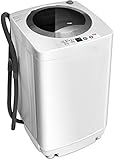
Overview: Giantex’s full-automatic combo unit targets urbanites wanting genuine one-touch laundry in a single compact package. This 8-pound capacity machine handles complete wash-and-spin cycles internally, eliminating manual transfer between tubs. Its honeycomb-patterned stainless steel drum and built-in drain pump make it apartment-ready without permanent plumbing modifications.
What Makes It Stand Out: True all-in-one operation distinguishes this from twin-tub alternatives. Six programmed cycles and three water levels adapt to different fabric types, while the automatic drain pump ensures compatibility with various sink configurations. The straightforward control panel requires no installation expertise, appealing to tech-averse users.
Value for Money: Priced at $229.99, it occupies a sweet spot between basic twin tubs and premium separates. You sacrifice capacity compared to the ROVSUN set but gain space efficiency and automation. For singles or couples with moderate laundry needs, the convenience justifies the mid-range cost.
Strengths and Weaknesses: Pros include complete automation, compact footprint, stainless steel tub, and integrated drainage. The 8-pound capacity limits appeal for families, and drying remains spin-only—expect damp clothes requiring air drying. Cycle times run longer than dedicated washers, and the single-unit design means no simultaneous loads.
Bottom Line: An excellent compromise for space-starved apartments where true automation trumps raw capacity. Best suited for one or two-person households prioritizing convenience over volume. Consider your laundry habits before committing to the smaller drum size.
4. BLACK+DECKER Small Portable Washer, Washing Machine for Household Use, Portable Washer 1.7 cu.Ft with 8 Cycles, Transparent Lid & LED Display
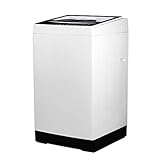
Overview: BLACK+DECKER brings brand-name reliability to the portable washer market with this feature-rich 11-pound capacity unit. Unlike combo machines, this dedicated washer focuses exclusively on cleaning performance, offering eight specialized cycles including Heavy, Delicate, and Quick modes. The 1.7 cubic foot stainless steel tub accommodates substantial loads while mobility features simplify relocation.
What Makes It Stand Out: Mobility defines this model—two rollers, side handles, and adjustable legs facilitate easy movement between rooms. The LED display and transparent lid add user-friendly sophistication, while auto-unbalance detection and child lock protection demonstrate thoughtful engineering. Delay start up to 24 hours provides scheduling flexibility rare in portable units.
Value for Money: At $305.99, this is a premium single-function washer. You’re paying for brand reputation, build quality, and advanced features rather than capacity. Comparable to buying a compact appliance from a major manufacturer—reliable but not cheap. Budget-conscious shoppers may prefer twin-tub alternatives.
Strengths and Weaknesses: Pros include excellent mobility, brand trust, stainless steel durability, comprehensive cycle options, and safety features. The lack of integrated drying means additional cost/space for a separate dryer. It’s the priciest washer-only option reviewed, and the 70.5-pound weight, while portable, requires effort to move.
Bottom Line: Ideal for users who trust established brands and need a high-quality washer without permanent installation. The mobility features shine in shared living situations. However, the absence of drying capability and premium pricing demand careful consideration of your complete laundry needs.
5. Auertech Portable Washing Machine, 28lbs Twin Tub Washer Mini Compact Laundry Machine with Drain Pump, Semi-automatic 18lbs Washer 10lbs Spinner Combo for Dorms, Apartments, RVs
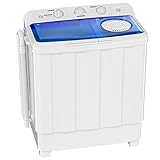
Overview: Auertech’s upgraded twin-tub model scales up capacity for users needing more from their portable laundry solution. With an 18-pound wash tub and 10-pound spinner, this semi-automatic unit handles family-sized loads while maintaining the brand’s budget-friendly positioning. The 1300 RPM motor and integrated drain pump deliver performance exceeding expectations for the price tier.
What Makes It Stand Out: This model boasts the largest washer capacity among twin-tubs reviewed, approaching full-size machine volumes. The separate timer controls for wash and spin operations allow true multitasking, while the included drain pump eliminates gravity-drain limitations. Transparent windows and a simple three-step operation maintain user-friendliness despite the larger size.
Value for Money: At $179.99, it commands a $30 premium over its smaller sibling but adds 50% more washing capacity. For growing families or users washing bulky items, the upgrade pays dividends. You’re still paying far less than automatic alternatives while gaining near-traditional machine capacity.
Strengths and Weaknesses: Pros include exceptional capacity, powerful motor, drainage flexibility, and strong value. The semi-automatic process demands user involvement throughout—filling, transferring, and monitoring. The plastic construction keeps weight manageable but sacrifices premium feel. Like all twin-tubs, the spin capacity trails wash capacity, requiring load splitting.
Bottom Line: The smart choice for budget-minded buyers needing serious capacity without permanent installation. Perfect for families in apartments or RVers wanting to minimize laundromat visits. Embrace the manual workflow, and you’ll struggle to find better capacity-per-dollar in the portable market.
6. Nictemaw Portable Washing Machine, 20Lbs Capacity Full-Automatic Portable Washer Machine, 2.8Cu.ft Washer and Dryer Combo with 10 Programs & 8 Water Levels Compact Washer for Apartments-Glass Cover
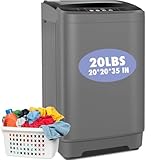
Overview: The Nictemaw Portable Washing Machine delivers full-automatic convenience with an impressive 20-pound capacity in a compact 2.8 cubic foot footprint. Designed for apartments, dorms, and RVs, this washer eliminates laundromat trips with its comprehensive feature set that rivals full-sized machines while maintaining true portability through integrated side handles.
What Makes It Stand Out: The transparent glass lid adds a premium touch while letting you monitor cycles, and the 10 wash programs combined with 8 water levels offer remarkable customization. The built-in drain pump with extended hose solves common drainage issues in tight spaces, while the 24-hour delay start function provides true set-it-and-forget-it convenience. Energy savings of up to 85% compared to similar models make it environmentally conscious.
Value for Money: At $259.99, this sits in the mid-range for portable washers but offers features typically found in premium models. The large capacity, full-automatic operation, and included drain pump accessories justify the investment, especially considering the cost savings over laundromat visits.
Strengths and Weaknesses: Pros include generous capacity, versatile programming, effective drain pump system, child lock safety, and self-cleaning function. The glass lid is both functional and stylish. Cons may include its relatively large size for “portable” classification, potential durability questions given the feature-rich design at this price point, and limited brand recognition compared to established manufacturers.
Bottom Line: This is an excellent choice for space-conscious users unwilling to compromise on capacity or automation. The Nictemaw offers exceptional functionality that makes it feel like a full-sized washer in a portable package.
7. BLACK+DECKER Small Portable Washer, Washing Machine for Household Use, Portable Washer 2.0 Cu. Ft. with 6 Cycles, Transparent Lid & LED Display
Overview: The BLACK+DECKER Small Portable Washer brings trusted brand reliability to the compact laundry market. With 15.4-pound capacity and 2.0 cubic feet of space, this top-loading unit offers six wash cycles and temperature control in a mobile package designed for household use where space is at a premium.
What Makes It Stand Out: The stainless steel tub provides superior durability and corrosion resistance compared to plastic alternatives. Mobility features include two rollers and side handles, making it genuinely portable despite its 79.4-pound weight. Auto unbalance detection ensures optimal performance, while the transparent quiet-close lid lets you monitor progress without disruption.
Value for Money: At $369.99, this commands a premium price, but the BLACK+DECKER name, build quality, and durable stainless steel construction justify the cost. You’re paying for reliability and longevity rather than just features, making it a long-term investment.
Strengths and Weaknesses: Strengths include brand reputation, robust stainless steel tub, hot/warm/cold temperature settings, excellent mobility design, and comprehensive safety features like child lock and auto shutoff. The six cycles cover essential needs. Weaknesses include lower capacity relative to price, absence of a dryer function, heavier weight, and fewer program options than competitors.
Bottom Line: Choose this washer if brand trust and durability outweigh maximum capacity and cycle variety. It’s a solid, long-term investment for those who prioritize proven reliability over cutting-edge features.
8. Erivess Portable Twin Tub 18lbs Washing Machine with Drying Rack and 10 Hangers, 11lbs Washer Mini Compact Laundry Machine with 7lbs Spinner, Semi-automatic Washer Combo for Dorms, Apartment

Overview: The Erivess Portable Twin Tub offers an ultra-budget solution for small-scale laundry needs, combining an 11-pound washer with a 7-pound spinner for under $60. This semi-automatic unit targets dorm residents and apartment dwellers seeking basic functionality without financial commitment or complex installation.
What Makes It Stand Out: The inclusion of a drying rack and 10 hangers transforms this from a simple washer into a complete clothes-drying system. The twin-tub design allows simultaneous washing and spinning, while the 240-wash/110-spin power provides adequate cleaning for small loads. At this price point, it’s a disposable appliance that pays for itself in a month of laundromat savings.
Value for Money: At $59.99, this represents exceptional value. The cost-equivalent of 30 laundromat visits buys you permanent laundry capability. While basic, it delivers core functionality that serves its target audience perfectly without ongoing expenses.
Strengths and Weaknesses: Pros include rock-bottom pricing, simple operation, no installation requirements, included drying accessories, and true portability. The filter net effectively catches lint. Cons involve semi-automatic operation requiring manual transfer, smaller capacity limiting usefulness for families, basic construction quality, and lack of advanced features like delay start or multiple programs.
Bottom Line: This is the perfect entry-level solution for students or solo dwellers with minimal laundry needs and maximum budget constraints. Don’t expect luxury, but expect reliable basic service that eliminates laundromat costs.
9. Erivess Compact Washer and Dryer Combo Set, 2.0Cu.Ft Full-Automatic Washing Machine with 10 Washing Programs & 1.6Cu.Ft Compact Dryer with 5 Drying Modes, for Apartment, Bathroom, RV-Camping, White
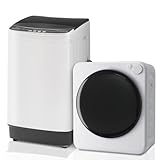
Overview: The Erivess Compact Washer and Dryer Combo Set provides a complete laundry solution with separate washing and drying units. The 16-pound full-automatic washer pairs with a 5.5-pound capacity dryer, offering true heated drying rather than just spin-drying in a space-saving package for apartments and RVs.
What Makes It Stand Out: Unlike single-unit combos, this set provides dedicated appliances for each function, resulting in better performance. The washer’s 10 programs handle diverse fabrics while the dryer’s 5 modes offer tailored drying. The built-in drain pump and simple knob controls make operation straightforward without complex installation.
Value for Money: At $299.99 for two appliances, this offers good value for those needing actual drying capability. While the dryer capacity is limited, the ability to dry clothes completely indoors justifies the price premium over washer-only units, especially in humid climates.
Strengths and Weaknesses: Strengths include true drying functionality, full-automatic washer operation, stainless steel components, lint filtration, and no-installation convenience. The separate units can run simultaneously. Weaknesses include significant capacity mismatch (16 lbs wash vs 5.5 lbs dry), requiring multiple drying cycles or small loads. The set occupies more space than single units, and the unknown brand raises durability questions.
Bottom Line: This combo serves users who absolutely need drying capability in compact quarters. Accept the capacity compromise and you’ll have a complete laundry system that works in any apartment, bathroom, or RV without external venting.
10. Stopsad 1.9 Cu.Ft Portable Washing Machine, Full-Automatic Electric Laundry Machine with 10 Programs, Compact Clothes Wash and Spin Combo with Stainless Steel Drum, Drain Hose for Apartment, Dorm,Home
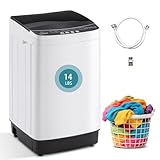
Overview: The Stopsad Portable Washing Machine challenges price expectations by offering full-automatic operation at just $99.99. With 1.9 cubic feet and 14-pound capacity, this compact unit includes 10 wash programs and a stainless steel drum, making it an intriguing budget contender for apartments and dorms where cost is paramount.
What Makes It Stand Out: The price-to-feature ratio is unmatched in the portable washer market. Full-automatic operation with 10 programs typically costs 2-3 times more. The wash-and-spin combo functionality, built-in drain pump, and energy-efficient design punch far above its weight class. The honeycomb-shaped inner tub maximizes capacity in minimal space.
Value for Money: Exceptional value defines this unit. At $99.99, it’s cheaper than many semi-automatic models while offering full-automatic convenience. The energy and water efficiency promise ongoing savings, making it financially sensible for budget-conscious buyers seeking maximum features for minimum investment.
Strengths and Weaknesses: Pros include unbeatable pricing, genuine full-automatic operation, multiple programs, compact dimensions, and included drain accessories. Cons involve unknown brand reputation, potential quality control issues, limited customer support, basic construction materials, and durability concerns given the aggressive pricing. The 14-pound capacity is modest for families.
Bottom Line: This is the ultimate budget gamble for those needing full-automatic features at a semi-automatic price. If you’re willing to accept potential reliability trade-offs, it delivers capabilities that defy its price tag. Perfect for short-term housing or as a trial into portable washing.
Understanding Compact Washers: What Makes Them Apartment-Friendly
Compact washers aren’t just shrunken versions of their full-sized counterparts—they’re fundamentally engineered for constrained environments. These machines typically measure 24 inches wide compared to the standard 27 inches, but the real magic lies in their depth and height variations that accommodate under-counter installation and closet placement. The design philosophy prioritizes vertical space utilization and front-loading mechanisms that allow for stacking, a crucial feature when every square foot carries premium value in urban rentals.
Defining Compact vs. Standard: The Size Difference That Matters
The industry defines “compact” as any washer under 25 inches wide, but savvy shoppers know dimensional differences run deeper. Compact units typically offer 2.2 to 2.4 cubic feet of capacity versus 4.5+ cubic feet in standard machines. This translates to roughly 15-18 pounds of laundry per load—enough for a week’s worth of clothes for one person or a few days for a couple. The reduced drum size actually improves washing efficiency in smaller households, as you’re less likely to run half-empty cycles that waste water and energy.
The Evolution of Compact Laundry Solutions
The compact washer market has matured dramatically over the past decade. Early models sacrificed performance for size, leaving clothes inadequately cleaned and excessively wet. Today’s machines employ sophisticated wash systems like impeller-driven drums and direct-drive motors that deliver cleaning power rivaling full-sized units. Heat pump technology in ventless dryers has eliminated the moisture problems that plagued first-generation combos, while smart sensors now automatically adjust water levels and cycle times based on load size and soil detection.
Space Planning: Measuring Your Apartment for the Perfect Fit
Before falling in love with any washer, you need to become intimately familiar with your apartment’s physical constraints and architectural quirks. A common mistake is measuring only the appliance footprint without accounting for the operational space envelope—the three-dimensional area the machine needs to function properly.
Critical Dimensions: Beyond Just Width and Height
Start with the basics: width, depth, and height of your intended location. Then add 1-2 inches of clearance on each side for ventilation and vibration. But here’s what most guides miss: measure the path to that location. Can the unit fit through doorways, around tight corners, and up narrow staircases? Compact washers often have removable doors and adjustable feet that provide an extra half-inch of wiggle room during installation. Measure diagonal depth too—some units can be tilted through tight spaces on a dolly.
Clearance Requirements: The Space You Didn’t Know You Needed
Front-loaders need at least 20 inches of depth clearance when the door opens fully. Stackable configurations require 6-12 inches of vertical clearance above the dryer for venting or maintenance access. If you’re sliding a unit under a counter, account for the height of anti-vibration pads (typically 1-2 inches) and ensure the countertop can be removed or cut if servicing becomes necessary. Don’t forget about the service panel access—most units need 3-4 inches of side clearance for technicians to remove panels.
Creative Placement Ideas for Studio Apartments
Think beyond the traditional laundry closet. Portable washers can live in kitchen pantries and roll out for use. All-in-one units fit inside bathroom vanities with plumbing accessed through existing sink connections. Some renters install compact washers inside custom-built kitchen islands, using the same water lines as the dishwasher. Under-stair storage areas, when properly ventilated, can house ventless combos. The key is identifying locations within 6 feet of existing water sources to minimize complicated plumbing runs.
Types of Compact Washers: Finding Your Perfect Match
The compact category encompasses several distinct designs, each with specific advantages for different apartment scenarios. Understanding these categories prevents the costly mistake of buying a unit that doesn’t align with your living situation.
Portable Washers: Mobility Meets Functionality
Portable washers connect to standard sink faucets using quick-attach adapters and drain via hoses into sinks or bathtubs. They typically hold 1.5-2.0 cubic feet and operate on 120V household outlets. The real advantage isn’t just mobility—it’s the ability to store the unit completely out of sight when not washing. Look for models with built-in casters and hose management systems. The trade-off? Lower spin speeds (around 800 RPM) mean clothes come out wetter, requiring longer drying times or more robust spin cycles.
All-in-One Washer-Dryer Combos: The Ultimate Space Saver
These single-drum units wash and dry in one continuous cycle, eliminating the need to transfer clothes between machines. Modern ventless combos use condensing or heat pump technology to extract moisture without external venting. The catch: drying takes 2-3 times longer than traditional dryers, with full wash-dry cycles running 3-4 hours. They’re ideal for people who run one load per day rather than multiple back-to-back loads. Capacity typically matches standalone compact washers, but effective drying capacity is about 30% less—overloading leads to damp clothes.
Stackable Washer-Dryer Sets: Vertical Efficiency
Stackable pairs offer the closest experience to full-sized laundry, with separate drums optimized for their specific functions. You’ll need a 240V electrical connection for the dryer and either venting access or a ventless dryer model. The total height reaches 70-75 inches, fitting in most standard closets. This configuration handles larger weekly laundry volumes efficiently but requires permanent installation and can’t be easily relocated. The washer’s controls remain accessible at a lower height, while dryer controls may require a step stool for shorter users.
Built-in Under-Counter Models: Seamless Integration
Designed for kitchen or bathroom installation, these units feature flat tops and front ventilation to fit beneath standard 34-inch countertops. They often include integrated cabinetry panels for a custom look. The installation is semi-permanent, requiring professional plumbing and electrical work, but the result is a completely concealed laundry solution. Most operate on standard 120V power but require dedicated 20-amp circuits. They’re perfect for high-end rentals where aesthetics matter as much as functionality.
Power and Performance: What Apartment Dwellers Need to Know
Compact doesn’t mean compromised—if you know which specifications actually impact cleaning performance. Focus on these metrics rather than marketing fluff.
Understanding Capacity: Cubic Feet and Real-World Loads
Manufacturers list drum capacity in cubic feet, but this number doesn’t tell the whole story. A 2.4 cubic foot washer might handle a queen-size comforter but struggle with a week’s worth of towels. The more useful metric is weight capacity, typically 15-18 pounds. For context: 15 pounds equals approximately 12 t-shirts, 6 pairs of jeans, and a week’s worth of undergarments. If you regularly wash bulky items like bedding, prioritize drums with larger diameters over deeper drums—the increased circumference prevents tangling and improves wash action.
Spin Speed and Its Impact on Drying Time
Spin speed, measured in RPM (revolutions per minute), directly affects how much water remains in clothes after washing. Compact washers typically range from 1,000 to 1,400 RPM. Each additional 200 RPM removes roughly 10% more water, reducing drying time by 15-20 minutes. For ventless combos, high spin speed is non-negotiable—you need every advantage to compensate for slower drying. Look for variable spin settings that let you reduce speed for delicate items while maxing out for towels and heavy cottons.
Wash Cycles and Settings: Customization Without Complexity
Modern compact washers offer 10-15 cycle options, but you’ll realistically use 3-4 regularly. Focus on machines with customizable temperature, soil level, and spin speed settings within each cycle rather than dozens of pre-programmed options. Quick wash cycles (15-30 minutes) are invaluable for apartment living, letting you refresh an outfit before a night out. Steam cycles effectively sanitize without harsh chemicals, important in shared living environments. Delay start features allow you to run cycles during off-peak utility hours or when you’re away, minimizing noise disruption.
Installation Essentials: What Your Lease and Building Allows
The most powerful washer is worthless if your building prohibits its installation. Understanding the technical and legal requirements before purchasing saves headaches and security deposits.
Plumbing Requirements: Hookups vs. Hose Connections
Traditional washers need hot and cold water supply lines and a standpipe drain at least 30 inches high. Portable units bypass this with faucet adapters but require thread compatibility—most kitchen faucets use 15/16-inch threads, while bathroom faucets vary. Check if your sink has an aerator that can be removed; some modern faucets have integrated aerators that complicate adapter installation. For permanent installations, verify water pressure: compact washers need 20-120 PSI. Low-pressure buildings (common in pre-war structures) may require booster pumps.
Electrical Considerations: Voltage and Outlet Types
Most compact washers run on 120V/15-amp circuits, but dryers complicate matters. Ventless electric dryers need 240V/30-amp dedicated circuits—rare in apartments without existing laundry connections. Some newer models use 120V for slower drying, but this extends cycle times further. All-in-one combos typically use 120V but draw 12-15 amps continuously during drying, potentially tripping breakers if other appliances share the circuit. Always check your electrical panel’s capacity; older apartments may have 60-amp service total, making a new 240V circuit impossible without costly upgrades.
Ventilation Needs: Vented vs. Ventless Drying
Vented dryers exhaust hot, moist air outside through 4-inch ducts, requiring either an exterior wall or complex duct routing through ceilings. Ventless condensing dryers collect moisture in a reservoir or pump it down the drain, while heat pump models recycle hot air for maximum efficiency. In apartments, ventless is often the only option, but it increases indoor humidity by 10-15% per cycle. You’ll need a dehumidifier or excellent bathroom ventilation to prevent mold growth. Some buildings explicitly ban ventless dryers due to humidity concerns—check your lease before buying.
Sound and Vibration: Keeping Your Neighbors Happy
Compact washers spin at high speeds in small spaces, creating noise and vibration that transfers through floors and walls. Look for machines with concrete counterweights, anti-vibration motors, and suspension systems. The gold standard is a direct-drive motor attached directly to the drum, eliminating belt noise. Decibel ratings below 52 dB during washing and below 75 dB during spinning are apartment-friendly. Always use anti-vibration pads—even the best machine will shake on uneven floors. Run high-spin cycles during daytime hours, and consider a washer with “quiet mode” that reduces spin speed for evening use.
Water and Energy Efficiency: Saving Resources in Small Spaces
Efficiency ratings directly impact your utility bills and environmental footprint—crucial considerations when you’re paying for water and electricity in a rental.
Decoding Energy Star Ratings for Compact Appliances
Energy Star certification for compact washers requires using at least 40% less energy and 50% less water than conventional models. The EnergyGuide label shows estimated annual operating costs, but these assume ideal conditions. For apartments, pay attention to the “water factor” rating—lower numbers indicate better water efficiency per cubic foot of capacity. Some compact washers achieve water factors below 3.5, compared to 6.0+ for older machines. This matters when your water bill is individually metered rather than building-wide.
Water Usage: Gallons Per Cycle and Utility Bill Impact
Compact washers typically use 10-15 gallons per cycle versus 40+ for standard top-loaders. All-in-one combos use the same water for washing but add 1-2 gallons during the condensing dry cycle. In water-restricted areas like California, some models offer “California drought” cycles using as little as 7 gallons. Calculate your potential savings: if you wash 4 loads weekly, a compact washer saves approximately 5,200 gallons annually. At average water rates of $0.01 per gallon, that’s $52 yearly savings, plus reduced water heating costs.
Eco-Friendly Wash Cycles: When Less is More
Many compact washers feature eco-cycles that extend wash times but reduce water temperature and volume. These cycles work by soaking clothes longer, allowing enzymes in detergent more time to break down soils. For lightly soiled items, eco-cycles clean effectively while using 30% less energy. However, heavily soiled workout clothes or greasy kitchen towels need standard cycles. The sweet spot? Use eco-cycles for 70% of your laundry and reserve intensive cycles for truly dirty items. Some machines auto-detect soil levels, eliminating the guesswork.
Smart Features and Technology: Modern Conveniences
Connectivity and automation transform compact washers from simple appliances into integrated home management tools, especially valuable in multitasking apartment lifestyles.
App Connectivity: Controlling Laundry from Your Phone
WiFi-enabled washers let you start cycles remotely, monitor progress, and receive notifications when loads finish—no more forgetting wet clothes for hours. Advanced apps track detergent usage, energy consumption, and even diagnose problems before they require service calls. For apartment renters, the most valuable feature is cycle scheduling: program washes to complete precisely when you return home from work, minimizing time spent listening to machine noise. Just ensure your building’s WiFi reaches your laundry area; some basement installations require WiFi extenders.
Automatic Dispensers and Load Sensing
Auto-dispensing systems store 20-40 loads worth of detergent and fabric softener, releasing precise amounts based on load size and soil level. This prevents detergent waste and residue buildup—a common problem in compact machines where overdosing causes excessive suds and longer rinse cycles. Load sensors automatically adjust water levels, but they also detect imbalances before they become violent shaking episodes. This technology is particularly valuable in apartments where an unbalanced load could shake pictures off neighboring walls.
Delay Start and Quiet Modes for Apartment Living
Delay start functions allow you to load laundry before bed and program the machine to begin at 6 AM, finishing as you wake up. Quiet modes reduce spin speeds and extend cycle times, trading speed for serenity during evening hours or when working from home. Some models include “baby sleep” settings that lock the control panel and disable end-of-cycle beeps entirely. For thin-walled apartments, these features aren’t luxuries—they’re necessities for maintaining neighborly relations.
Budget Considerations: Total Cost of Ownership
The sticker price tells only a fraction of the story. Apartment-specific factors can dramatically affect long-term costs.
Initial Investment vs. Long-Term Savings
Compact washers range from $400 for basic portables to $2,500 for high-end all-in-one combos. While tempting to choose the cheapest option, consider lifespan: a $800 machine lasting 8 years costs $100 annually, while a $400 unit replacing every 3 years costs $133 annually. Factor in utility savings: an Energy Star model saving $75 yearly in water and electricity pays for its $300 price premium in just four years. For renters, also consider portability: a $600 portable unit you can take to your next apartment offers better value than a $1,200 built-in you must leave behind.
Hidden Costs: Installation, Accessories, and Maintenance
Professional installation can cost $150-$300, especially if new plumbing or electrical work is required. Necessary accessories add up: anti-vibration pads ($25), faucet adapters ($15), venting kits ($50), and drainage hoses ($20). If your building requires water leak sensors or drain pans (common in multi-unit dwellings), budget another $75-$100. Annual maintenance, including descaling and filter cleaning, costs $30 in supplies. For ventless combos, replacement condenser filters run $40-$60 every two years.
Warranty and Service: What to Look For
Standard warranties cover 1 year parts and labor, but premium brands offer 10-year motor warranties. For apartment use, prioritize brands with nationwide service networks—local technicians familiar with compact models are rare. Check if your warranty covers “improper installation” issues, which landlords might cause when modifying plumbing. Some manufacturers offer extended warranties specifically for renters that include relocation coverage if you move and need reinstallation. Always register your appliance within 30 days; unregistered warranties often reduce coverage by 50%.
Maintenance and Care: Keeping Your Compact Washer Running Smoothly
Compact washers in apartment environments face unique challenges: limited ventilation, constant use, and the need for discreet operation. Proper maintenance prevents the mold, odors, and breakdowns that plague neglected units.
Daily Maintenance Habits for Longevity
Leave the door and detergent drawer ajar after each use to allow moisture evaporation. Wipe the door seal with a dry cloth to remove water and lint that breed mold. Run a monthly hot water cycle with washing machine cleaner to dissolve detergent residue and mineral buildup. In hard water areas, add a water softener or run a vinegar cycle every two weeks. Empty the drain pump filter monthly—apartment plumbing often contains more debris from shared lines. These 5-minute habits can extend your machine’s life by 3-5 years.
Dealing with Mold and Odor in Small Spaces
Apartment humidity exacerbates mold growth in washer seals and drums. If you detect a musty smell, run a sanitizing cycle with chlorine bleach (check your manual—some stainless steel drums prohibit bleach). Remove and soak the detergent drawer in hot soapy water weekly; this hidden area harbors 70% of washer mold. For persistent issues, leave a dehumidifier running near the washer or install a small cabinet fan that activates when the door opens. Never store laundry detergent inside the washer—spills create bacterial feeding grounds.
When to Call a Professional: Service Indicators
Unusual grinding noises often indicate foreign objects in the drain pump—a $150 service call versus a $500 motor replacement if ignored. Water pooling beneath the unit suggests either a door seal failure or internal hose leak; both worsen quickly in apartments where water damage affects neighbors. Error codes flashing repeatedly after power cycling indicate control board issues requiring diagnostic tools. If your machine vibrates excessively despite level installation, the shock absorbers may be failing—a complex repair best left to technicians. Most importantly, never ignore electrical smells or tripped breakers; compact washers drawing high amperage during dry cycles can develop dangerous shorts.
Common Apartment-Specific Challenges and Solutions
Urban rentals present obstacles suburban homeowners never face. Understanding these pitfalls beforehand prevents installation day disasters.
Dealing with Limited Water Pressure
Pre-war buildings and high-rise apartments often have water pressure below 20 PSI, causing washers to fill slowly or error out. Install a pressure gauge on your faucet to measure baseline pressure. If it’s consistently low, choose washers with manual water level settings that don’t rely on timed fills. Some portable models include built-in pressure pumps that boost incoming water to usable levels. For extreme cases, a $50 external booster pump installed on the supply line solves the problem, though this requires landlord approval for permanent modifications.
Managing Lint in Ventless Systems
Ventless dryers trap lint in condenser units and drain filters rather than exhausting it outside. Clean the condenser every 5-10 cycles by rinsing under running water—this maintains drying efficiency and prevents fire hazards. The drain pump filter catches lint that escapes the condenser; check it weekly. Use mesh laundry bags for lint-shedding items like fleece and towels. Unlike vented systems that expel lint outdoors, ventless lint stays in your apartment, settling on surfaces and affecting air quality. Consider a HEPA air purifier in the laundry area if you wash pet bedding or high-lint items frequently.
Noise Reduction Strategies for Thin Walls
Beyond anti-vibration pads, install mass-loaded vinyl (MLV) barrier sheets beneath the washer—this dense material blocks sound transmission through floors. Ensure all four feet make solid contact; a rocking washer amplifies noise. If possible, position the unit against a solid wall rather than a shared partition wall. Run rubber isolation feet instead of hard plastic ones. For extreme situations, build a simple wooden platform with tennis balls cut in half as shock absorbers. Schedule high-spin cycles for mid-morning or mid-afternoon when neighbors are likely out, and always use quiet mode after 8 PM.
The Environmental Impact of Compact Washing
Your laundry choices affect more than your utility bills—they influence microplastic pollution, chemical runoff, and carbon footprint in ways unique to apartment living.
Microfiber Pollution and Compact Washers
Compact washers, especially front-loaders, generate less microfiber shedding than top-load agitator machines due to gentler tumbling action. However, their smaller water volume means higher fiber concentration in effluent. Install an external microfiber filter on the drain hose—devices like the PlanetCare or Filtrol capture 90% of synthetic fibers before they enter municipal water systems. These filters cost $150-$200 but prevent thousands of plastic particles from reaching waterways. Empty the filter into trash, not down the drain, and never wash synthetic fleece without a filter in place.
Detergent Choices for Eco-Conscious Apartment Dwellers
Choose high-efficiency (HE) detergent specifically formulated for low-water machines—regular detergent creates excessive suds that compact washers can’t rinse properly, leading to residue and mold. Concentrated formulas reduce plastic bottle waste, crucial in apartments with limited recycling storage. Consider detergent sheets or powder in cardboard packaging to eliminate plastic entirely. For truly green washing, soap nuts work in compact machines but require warm water to activate saponin. Always measure precisely; compact washers need 1-2 tablespoons of HE detergent per load, not the capfuls many people use.
Lifestyle Considerations: Matching Washer Type to Your Routine
Your laundry habits should dictate your machine choice, not the other way around. A mismatch leads to frustration and wasted money.
Single Professional vs. Family of Four
Single users benefit most from all-in-one combos: run one load overnight, waking to clean, dry clothes. The 3-4 hour cycle time isn’t a drawback when you’re not doing back-to-back loads. Families need stackable sets for sequential washing—imagine running 3-4 loads on Saturday morning. A 2.4 cubic foot washer handling 15 pounds means a family of four generates enough laundry for 6-8 loads weekly, requiring 12-16 hours of continuous operation with a combo unit. That’s impractical; separate machines allow washing one load while another dries.
Frequency of Use: Daily Quick Washes vs. Weekly Marathon Sessions
If you prefer washing workout clothes daily after the gym, a portable unit in your bathroom makes more sense than trekking to a closet-mounted machine. Daily users should prioritize machines with fast cycle times and low water usage per wash. Marathon weekend washers need larger capacity and robust motors that handle consecutive cycles without overheating. Some compact washers include “cool-down” periods between cycles to protect components—check the manual if you plan intensive use sessions. For hybrid schedules, a mid-capacity stackable set offers flexibility: quick daily loads when needed, capacity for weekly bedding marathons.
Legal and Lease Considerations: Staying Compliant
Ignoring the fine print can result in eviction, fines, or liability for water damage. Smart renters do their legal homework.
Understanding Your Lease Agreement’s Appliance Clause
Many leases prohibit “portable washing machines” specifically due to leak risks. However, they may not mention “compact appliances” or “all-in-one units”—semantic differences that matter. Get written permission for any machine requiring plumbing modifications, even temporary ones. Some landlords require professional installation certificates or additional renter’s insurance riders. If your lease is silent on laundry, ask before assuming permission; verbal approvals hold no weight if disputes arise. Offer to pay a small monthly fee ($10-$20) for the convenience—this formalizes permission and covers potential utility increases.
Renter’s Insurance and Appliance Coverage
Standard renter’s insurance covers appliance damage from covered perils (fire, theft) but not mechanical breakdown. Add a “home systems protection” rider for $30-$50 annually to cover washer repairs and water damage liability. Ensure your policy includes “water backup coverage”—apartment plumbing backups can flood your unit from below, and standard policies exclude this. Document the installation with photos showing proper leak pans and water sensors; this demonstrates due diligence if damage claims occur. Keep purchase receipts and serial numbers in cloud storage for easy claim filing.
Building Codes and Regulations to Know
Local codes may restrict washer installation in buildings without dedicated laundry rooms due to waste line capacities. Multi-unit buildings often have plumbing designed for bathroom and kitchen use only; adding a washer can overload 1.5-inch drain lines, causing backups in units below. Some municipalities require backflow preventers on all appliance water connections. Historic buildings may prohibit any modifications to plumbing or electrical systems. Contact your city’s building department anonymously to ask about codes before approaching your landlord—knowledge is leverage in negotiations.
Future-Proofing Your Purchase: What to Consider Long-Term
Apartment living is transient, but your appliance investment shouldn’t be wasted when you move. Think several steps ahead.
Modular Design and Upgrade Paths
Choose washers with modular components that can be serviced individually rather than replaced entirely. Some brands design control boards, pumps, and motors as plug-and-play modules, reducing repair costs and extending lifespan. If buying a stackable set, ensure the washer and dryer can operate independently—should one fail, you shouldn’t need to replace both. Look for brands that maintain parts availability for 10+ years; European manufacturers often support appliances longer than budget brands. This matters when your 7-year-old washer needs a $80 pump, not a $1,200 replacement.
Resale Value and Moving Plans
High-quality compact washers retain 40-60% of their value after 3 years, especially portable and all-in-one models. Keep original packaging for resale value—a washer in its box sells faster and for more money. Document the installation process with photos and keep all manuals; buyers pay premiums for well-maintained units with complete documentation. If you’re likely to move cross-country, portable units offer better ROI than built-ins you’ll need to leave behind. When moving, hire appliance movers—compact washers are dense (150+ pounds) and easy to damage, destroying resale value.
Making the Final Decision: A Step-by-Step Selection Framework
Synthesize all these factors into a concrete action plan that leads to the right purchase for your specific situation.
Creating Your Apartment Laundry Checklist
Start with non-negotiables: measure your space, confirm lease permissions, check electrical capacity, and test water pressure. Then list priorities: is speed, capacity, or stealth operation most important? Assign point values to each feature (1-5 scale) and score potential machines accordingly. Factor in your timeline: if you need a washer this week, local availability trumps perfect specifications. Set a realistic budget including installation, accessories, and first-year maintenance. Finally, read user manuals online before buying—this reveals operational complexities that sales pages hide.
Where to Shop and What Questions to Ask
Avoid big-box stores where sales staff lack compact appliance expertise. Instead, visit independent appliance dealers who specialize in urban living solutions. Ask specific questions: “What’s the actual fill time with 15 PSI water pressure?” “How many decibels during the final spin?” “Can the control board be replaced without removing the unit from its installation?” Request demonstration models running so you can hear noise levels firsthand. Inquire about open-box or floor models—compact washers often have steep discounts (30-40% off) on units with minor cosmetic damage. Ask about return policies; some retailers charge restocking fees for appliances, while others offer 30-day satisfaction guarantees.
Frequently Asked Questions
Can I install a compact washer in an apartment without existing hookups?
Yes, portable washers connect to standard sink faucets without permanent modifications. For more integrated solutions, a plumber can add connections behind kitchen cabinets or inside bathroom vanities, typically costing $300-$800. Always obtain landlord approval first, and opt for installations that can be reversed when you move out.
How much does a compact washer increase my electricity bill?
A compact washer uses roughly 150 kWh annually, costing $20-$30 per year depending on local rates. Ventless dryers add 300-500 kWh ($40-$70 yearly). All-in-one combos use less total energy than separate machines because they eliminate the heat loss of transferring clothes between units. Actual costs depend on usage frequency and whether you wash with hot or cold water.
Will a compact washer damage my apartment floors?
Properly installed units won’t damage floors, but improper setup can crack tile or warp wood. Always place the washer on a sturdy, level surface. Use a waterproof drain pan ($30) to catch leaks. For upper-floor installations, add a reinforced platform to distribute the 200+ pound weight over a larger area. Rubber anti-vibration pads prevent movement that scratches floors.
What’s the lifespan of a compact washer compared to a full-sized model?
Compact washers typically last 8-12 years with proper maintenance, slightly less than full-sized units (10-15 years) due to smaller components working harder. However, portable washers used intermittently can last 15+ years because they experience less cumulative wear. Regular cleaning and avoiding overloading are more critical for compacts than standard machines.
Can I wash a king-size comforter in a compact washer?
Most compact washers cannot effectively clean king-size comforters, which require at least 3.5 cubic feet for proper agitation. A 2.4 cubic foot unit might physically fit the comforter but won’t have room for water and detergent circulation, resulting in poor cleaning and potential damage to both the item and machine. Use a laundromat for bulky items or choose a larger 2.8 cubic foot compact model specifically marketed for bedding.
How do I prevent mold in a compact washer’s door seal?
Wipe the seal dry after every use and leave the door ajar for at least 2 hours. Run a hot water cycle with bleach monthly. Remove and clean the detergent drawer weekly—mold grows fastest in this dark, moist compartment. If mold persists, replace the seal (a $50 part) rather than fighting a losing cleaning battle. Using too much detergent is the primary cause of seal mold in compact washers.
Are ventless dryers safe for apartments?
Modern ventless dryers are safe when properly maintained. They include overheating protection and automatic shutoff sensors. The main risk is humidity buildup, which can cause mold in poorly ventilated apartments. Run a bathroom exhaust fan during and after drying, or crack a window. Never block the dryer’s air intake or exhaust grills. Clean the lint filter after every load and the condenser every month to prevent overheating.
Do I need special detergent for compact washers?
Yes, you must use high-efficiency (HE) detergent, which produces fewer suds for low-water machines. Regular detergent creates excessive foam that compact washers can’t rinse away, leading to mold, odors, and mechanical problems. Use 1-2 tablespoons of HE detergent per load—far less than you think. Powder HE detergent often performs better than liquid in compact machines because it leaves less residue.
Can I stack any compact washer and dryer together?
No, only matching pairs from the same manufacturer are designed to stack safely. The washer must be specifically reinforced to support the dryer’s weight, and the dryer needs a stacking kit that secures it to the washer. Mixing brands voids warranties and creates stability hazards. Some all-in-one units cannot be stacked with anything. Always check the manufacturer’s stacking compatibility chart before purchasing separate units.
What should I do if my apartment has low water pressure?
Choose a washer with manual water level selection rather than automatic sensors that time fills. Portable washers with built-in pressure pumps work best in low-pressure situations. Have a plumber install a pressure booster pump if pressure is consistently below 20 PSI. Alternatively, select a machine with extended fill time tolerance—some models allow up to 10 minutes to reach fill level before erroring out. Contact the manufacturer with your specific PSI reading; they can recommend models tested for low-pressure operation.