Remember when washing machines were simple beasts with that central post aggressively churning your clothes? Those traditional agitators served us well for decades, but they came with a cost—harsh treatment on fabrics, limited capacity, and water-guzzling habits that would make an environmentalist weep. Enter the modern era of agitator-free top-load washers, a brilliant engineering solution that’s quietly revolutionizing laundry rooms across America.
These sophisticated machines have shed that space-hogging central column in favor of sleek impellers or wash plates at the bottom of the drum, creating a gentler, more efficient cleaning action that actually treats your clothes with respect. But here’s what most people don’t realize: choosing the right agitator-free washer isn’t just about picking the biggest drum or the flashiest display. It’s about understanding a completely different approach to cleaning physics, water dynamics, and fabric care. This comprehensive guide will arm you with everything you need to navigate this evolved landscape and make a decision that’ll keep your wardrobe—and your wallet—happy for years to come.
Top 10 Top Load Washers without Agitators
Detailed Product Reviews
1. Kenmore 4.5 cu. ft. Top Load Washer with Triple Action Impeller for Tough Dirt & Stains - Reduce Laundry Time with Accela Wash & Express Wash - LED - White

Overview: The Kenmore 4.5 cu. ft. Top Load Washer delivers modern impeller technology for households seeking efficiency and fabric care. This high-capacity machine tackles family-sized loads while using innovative washing mechanics to reduce water and energy consumption significantly.
What Makes It Stand Out: The Triple Action Impeller creates a dynamic cleaning system through three coordinated movements: concentrated detergent spraying, wash basket oscillation, and impeller rotation. The Express Wash completes small loads in 30 minutes, while Accela Wash cuts full-load time by 51%. The Cold Clean feature reduces energy use by up to 90% compared to standard cycles, and the soft-close tempered glass lid prevents slamming and allows viewing.
Value for Money: At $699.99, this washer sits in the competitive mid-range segment. The combination of large capacity, speed technologies, and energy savings justifies the price. Kenmore’s established service network adds long-term value that budget brands cannot match, making it a wise investment.
Strengths and Weaknesses: Pros include generous 4.5 cu. ft. capacity, excellent energy efficiency, rapid wash options, and quiet operation. The impeller design is gentler on clothes than traditional agitators while maintaining cleaning power. Cons: impellers may struggle with heavily caked-on mud or grease compared to agitators, and the control panel’s long-term durability could be a concern for some users.
Bottom Line: Ideal for busy families prioritizing speed, efficiency, and fabric care. The Kenmore impeller model balances performance and value, making it a smart choice for most households seeking modern features.
2. Kenmore 4.4 cu. ft. Top Load Washer with Triple Action Agitator for Tough Dirt & Stains - Reduce Laundry Time with Accela Wash & Express Wash - LED - White
Overview: The Kenmore 4.4 cu. ft. Top Load Washer with Triple Action Agitator offers traditional cleaning power enhanced with modern convenience features. This model caters to those who prefer the proven performance of a central agitator for tackling heavily soiled laundry effectively.
What Makes It Stand Out: The Triple Action Agitator combines detergent spraying, basket movement, and agitator rotation for comprehensive soil removal. Express Wash handles small loads in 28 minutes—two minutes faster than its impeller sibling—while Accela Wash delivers the same 51% time savings on full loads. It maintains the same 10 wash cycles, temperature options, and energy-saving Cold Clean technology.
Value for Money: Priced identically at $699.99, this model presents a direct alternative to the impeller version. The value proposition hinges on cleaning preference rather than features or capacity, making it equally competitive in its class for those wanting agitator action.
Strengths and Weaknesses: Pros include superior stain removal for heavy-duty items like work clothes and sports uniforms, familiar technology, and the same speed and energy benefits as other Kenmore models. The agitator provides more mechanical action for stubborn dirt. Cons: slightly smaller capacity (4.4 vs 4.5 cu. ft.), potentially harsher on delicate fabrics, and may use more water than impeller models during operation.
Bottom Line: Perfect for households dealing with consistently grimy laundry. Choose this agitator model over the impeller if maximum soil removal trumps absolute capacity and fabric gentleness in your priorities.
3. BLACK+DECKER 4.1 Cu. Ft. Top Loading Washing Machine with Agitator, Full Size Washing Machine with Glass Lid and Stainless Steel Tub, Machine with LED Display, 10 Wash Cycles, 120V, BTLW41MW, White

Overview: The BLACK+DECKER 4.1 Cu. Ft. Top Loading Washing Machine positions itself as a premium option emphasizing durability and scheduling flexibility. This model targets buyers willing to invest more for robust construction and convenient timing features in a full-size washer.
What Makes It Stand Out: The stainless steel wash tub offers superior longevity and rust resistance compared to porcelain or plastic alternatives. The standout 24-hour delay function allows users to schedule cycles during off-peak hours or around their daily routines. The glass lid provides visibility into the wash process, and the agitator design ensures effective cleaning of heavily soiled items across 10 different cycles.
Value for Money: At $900.99, this washer commands a significant premium over comparably sized models. The price reflects the stainless steel construction and delay feature, but lacks the advanced speed technologies found in similarly priced competitors from more established laundry brands.
Strengths and Weaknesses: Pros include durable stainless steel tub, flexible 24-hour delay scheduling, solid 4.1 cu. ft. capacity, and effective agitator cleaning. The brand name carries general tool recognition. Cons: substantially higher cost without proportional feature advantages, no express wash options mentioned, limited energy-saving claims, and BLACK+DECKER has less laundry appliance pedigree than dedicated brands.
Bottom Line: Worth considering if you prioritize tub durability and cycle scheduling above all else. For most buyers, the premium price is hard to justify without faster wash cycles or larger capacity.
4. Midea MLTW37A1BWW Agitator Machine, Auto Top Load Sensing Washer, 12 Washing Cycles, Dial Control Panel, 3.7 Cu.ft, White

Overview: The Midea MLTW37A1BWW offers budget-conscious consumers a feature-packed washing solution with smart technology integration. This 3.7 cu. ft. washer punches above its weight class with advanced functions typically found in higher-priced models, making it ideal for smaller households and apartment dwellers.
What Makes It Stand Out: Load Sensing Technology automatically adjusts water levels and cycle time based on load size, optimizing efficiency and cleaning performance without manual guesswork. The Power Boost Agitator rotates 360° with an enlarged impeller to create powerful water flows. The Deep Clean 360° Treatment uses a Water Cube Tub design for enhanced cleaning of bulky items. With 12 pre-set cycles, it offers more options than many competitors at this price.
Value for Money: At $549.00, this washer represents excellent value. The combination of load sensing, numerous cycles, and specialized cleaning technologies at this price point is compelling, especially for smaller households not needing maximum capacity.
Strengths and Weaknesses: Pros include intelligent water adjustment, 12 wash cycles, powerful agitator action, transparent soft-close lid, and competitive pricing. The load sensing feature saves water and energy automatically. Cons: smaller 3.7 cu. ft. capacity limits family-sized loads, Midea has shorter brand history in North America, and long-term reliability data is less established than legacy brands.
Bottom Line: An outstanding choice for apartments, couples, or small families wanting smart features without premium pricing. The load sensing technology alone makes it a standout value proposition in the budget segment.
5. Midea MLTW41A1BWW 4.1 Cf Top Load Washer Agitator Stainless Tub

Overview: The Midea MLTW41A1BWW represents the entry-level tier of modern washing machines, stripping away complex features to deliver essential functionality at an accessible price point. This 4.1 cu. ft. model focuses on core washing capabilities for budget-minded consumers who need reliable performance without frills.
What Makes It Stand Out: The High Water option suggests manual control over water levels when needed, while Auto Sensing provides automatic adjustment for efficiency. The Tub Clean Cycle helps maintain machine hygiene—a feature often omitted in budget models. With 8 presets, it covers essential washing needs without overwhelming users with unnecessary complexity.
Value for Money: At $449.99, this is the most affordable option reviewed. The price reflects the basic feature set, but the 4.1 cu. ft. capacity remains competitive with more expensive models, offering good space for the money and making it suitable for families on tight budgets.
Strengths and Weaknesses: Pros include very low price, adequate capacity, simple operation, auto sensing for water efficiency, and tub cleaning cycle. The minimalist approach reduces potential failure points and repair costs. Cons: limited 8 presets, no express wash options mentioned, basic construction materials likely, minimal brand support network, and fewer specialized cycles for diverse fabrics.
Bottom Line: Perfect for rental properties, budget-limited buyers, or those wanting a no-frills washer that handles basic laundry tasks reliably. Don’t expect advanced features, but it delivers capacity and essential functions at a bargain price.
6. 80040 Washer Agitator Dogs Kit by Beaquicy - Replacement for Whirlpool Ken-More Washing Machine (20-Pack)

Overview: The Beaquicy 80040 Agitator Dogs Kit offers a cost-effective solution for DIY washing machine repairs. This 20-pack replacement set is designed for Whirlpool, Kenmore, and compatible top-load washers. These small but critical components, often called “dog ears,” engage the agitator’s directional movement. When worn, they cause agitation failures. The kit promises OEM-equivalent quality at a fraction of dealer prices, making it an attractive option for handy homeowners looking to extend their appliance’s lifespan without professional service calls.
What Makes It Stand Out: This kit’s exceptional value lies in its generous 20-pack quantity, ensuring you have spares for future repairs or multiple machines. The manufacturer claims premium material construction meeting OEM specifications, while the extensive compatibility list covers numerous Whirlpool, Kenmore, Maytag, and Estate models. The included 365-day warranty demonstrates confidence in product longevity. These dogs address multiple failure symptoms simultaneously—solving agitation issues, noise problems, and spin failures with one simple replacement.
Value for Money: At $6.99 for 20 pieces ($0.35 each), this represents tremendous savings compared to $3-5 per dog from OEM sources or $150+ service technician visits. The bulk packaging eliminates repeat purchases, and the 365-day return policy removes purchase risk. For the price of a single coffee, you gain enough parts for approximately five complete agitator rebuilds, delivering professional-grade results at DIY pricing.
Strengths and Weaknesses: Pros include the unbeatable quantity-to-price ratio, broad model compatibility, straightforward installation requiring minimal tools, and robust warranty protection. The premium material claim suggests durability matching original parts. Cons involve potential quality inconsistencies common with aftermarket parts, the confusing product description (listing both 20 and 48 pieces), and lack of installation guidance for novices. Non-OEM status may concern purists despite quality assurances.
Bottom Line: For mechanically-inclined homeowners, this kit is an outstanding value that transforms a $200 repair into a 30-minute, $7 DIY project. While not genuine OEM, the warranty and compatibility make it a smart risk for aging washers. Keep your machine running years longer without breaking the bank.
7. XANGNIER Top Load Washing Machine with Impeller Cleaning Brush Kits,5 Pcs Agitator-Free Top Load Washer Cleaner Tools Accessories

Overview: XANGNIER’s five-piece brush kit addresses a specific but growing need: cleaning impeller-style top-load washers. Unlike traditional agitator machines, impeller washers have hidden surfaces beneath the washplate that harbor mold, detergent residue, and grime. This specialized toolkit provides targeted instruments to reach these neglected areas, helping maintain hygiene and machine efficiency. For $4.99, users receive a long-handle brush, crevice tool, small gap brush, cleaning cloth, and sponge—everything needed for comprehensive maintenance.
What Makes It Stand Out: The kit’s specialized design distinguishes it from generic cleaning tools. The long-handle brush reaches under the washplate where standard brushes cannot, while the crevice tool cleans rubber seals and detergent dispensers. Each tool serves a distinct purpose, creating a systematic cleaning approach. The materials resist chemical cleaners, and the ergonomic handles reduce fatigue during deep-cleaning sessions. This is one of few products explicitly engineered for impeller washer architecture.
Value for Money: At $1 per tool, this kit offers exceptional affordability. Professional washer cleaning services cost $100-150 annually, while purchasing individual specialty brushes would exceed $20. The time savings are equally valuable—no more improvising with inadequate tools or struggling with inaccessible areas. For less than a coffee, you gain years of effective maintenance capability.
Strengths and Weaknesses: Pros include the impeller-specific design, comprehensive five-tool assortment, durable construction, and ability to extend machine lifespan by preventing buildup. The tools effectively clean areas that affect performance and odor. Cons involve manual labor requirements, potential size mismatches with some washer models, and absence of detailed usage instructions. The kit requires user initiative—no substitute for regular cleaning discipline.
Bottom Line: This is an essential purchase for impeller washer owners committed to preventive maintenance. While it demands elbow grease, the specialized tools deliver professional-level cleaning access at a disposable price. Buy it to protect your investment and eliminate mystery odors from hidden grime.
8. Midea MLTW44A4BWW 4.4 Cf Top Load Washer Agitator Stainless Tub
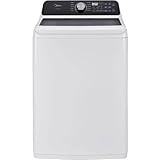
Overview: Midea’s 4.4 cubic foot top-load washer positions itself as a feature-rich mid-range option for modern households. The MLTW44A4BWW combines traditional agitator cleaning power with contemporary smart technology. Its stainless steel tub resists corrosion while the Power Wave Agitator promises thorough cleaning action. Smart Control enables remote operation via smartphone, and the Add Garment Function provides mid-cycle access—conveniences rarely found at this price point. This machine targets tech-savvy families seeking capacity and connectivity without premium-brand pricing.
What Makes It Stand Out: The Smart Control integration sets this apart from comparably priced competitors, allowing cycle monitoring and control from anywhere. The Dual-Phase Dispenser automatically releases detergent and fabric softener at optimal times, improving cleaning efficiency. The Add Garment Function pauses and unlocks mid-cycle—a practical feature for busy households. Midea’s Power Wave Agitator design claims superior water and detergent circulation compared to conventional agitators.
Value for Money: At $499.99, this washer undercuts similar smart-enabled models by $200-300. The 4.4 cu ft capacity handles family-sized loads, while stainless construction ensures longevity. Features like smart connectivity and mid-cycle adding typically appear in $700+ machines. Energy efficiency ratings could provide additional utility savings, though specific certifications aren’t detailed. For budget-conscious buyers wanting modern amenities, this delivers exceptional spec-to-price ratio.
Strengths and Weaknesses: Pros include smart features, generous capacity, stainless tub durability, convenient Add Garment access, and competitive pricing. The agitator design suits those preferring traditional wash action over impeller systems. Cons involve Midea’s limited service network compared to established brands, potentially complex smart features for elderly users, and unknown long-term reliability. The basic warranty terms aren’t specified, raising support concerns.
Bottom Line: This washer brilliantly balances modern features with proven agitator performance. Ideal for first-time homeowners or value-seeking families comfortable with smart appliances. While brand recognition lags behind Whirlpool or LG, the feature set and price make it a compelling alternative. Verify local service availability before purchasing.
9. Esembly Agitators, Washer Dryer Balls for Cleaner Softer Laundry, Reusable Eco-Friendly Silicone Laundry Dryer Balls, 4 Pack

Overview: Esembly’s silicone agitator balls serve dual purposes in both washing and drying cycles. This four-pack of 2.5-inch, 1.5-ounce balls replaces chemical fabric softeners and dryer sheets with a reusable, eco-friendly alternative. Designed initially for cloth diapers, the balls feature textured surfaces that pound fabric during washing to release soil, then lift and separate laundry in the dryer for faster, softer results. At $17.50 for four, they target environmentally conscious consumers seeking to reduce disposable product waste while improving laundry outcomes.
What Makes It Stand Out: The specialized design features strategic bumps and spikes that physically agitate fabric, providing mechanical cleaning assistance. Unlike smooth dryer balls, these actively massage fibers for enhanced softness. Their silicone construction withstands high heat indefinitely, offering years of reuse. The dual washer-dryer functionality eliminates purchasing separate products. Specifically marketed for cloth diapers, they demonstrate effectiveness on heavily soiled items while remaining gentle enough for regular laundry.
Value for Money: Four balls at $4.38 each pay for themselves within months compared to ongoing softener and dryer sheet purchases. A year’s supply of disposable products costs $60-100, making this a $40+ annual savings. The durable silicone construction likely provides 5+ years of service, representing exceptional long-term value. For eco-conscious buyers, the environmental savings compound the financial benefit.
Strengths and Weaknesses: Pros include reusability, eco-friendly materials free of BPA and phthalates, improved drying efficiency, enhanced fabric softness without chemicals, and versatility across all laundry types. They reduce drying time by improving airflow. Cons involve potential noise during dryer operation, reduced effectiveness with small loads, and initial cost barrier compared to cheap dryer sheets. Some users may miss scented softener fragrances.
Bottom Line: These agitator balls excel for families with cloth diapers or those committed to chemical-free laundry. The drying benefits alone justify the cost, while washing assistance provides bonus value. Accept the minor noise trade-off for significant environmental and financial savings. A smart investment for sustainable households.
10. Fisher & Paykel 425025P Washer Agitator Replacement Washing Machine Parts for Top Load Washing Machine with Agitator
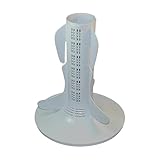
Overview: The Fisher & Paykel 425025P is a genuine OEM agitator replacement designed specifically for all Fisher & Paykel top-load washing machines. This official part ensures factory-specified fit and performance, making it essential for repairing damaged or worn agitators. Unlike universal aftermarket alternatives, this component guarantees compatibility and maintains original wash action characteristics. The tool-free installation design simplifies what could otherwise be a complex repair, allowing homeowners to restore full washing functionality without professional assistance.
What Makes It Stand Out: As an authentic OEM component, this agitator eliminates guesswork about compatibility or performance deviations. The no-tool installation is remarkably user-friendly—most users can complete replacement in under 15 minutes by following basic instructions. Fisher & Paykel engineered this part with the same durability standards as original equipment, ensuring it withstands years of use. The design preserves the unique wash action that F&P machines are known for, which generic replacements might compromise.
Value for Money: At $69.99, this represents standard OEM parts pricing—substantially less than the $400+ cost of a new washer when agitator failure occurs. Professional installation would add $100-150, making DIY replacement highly economical. While generic agitators cost $30-40, they risk improper fit and subpar cleaning performance. For F&P owners, the premium ensures warranty compliance and maintains machine integrity, protecting your initial appliance investment.
Strengths and Weaknesses: Pros include guaranteed compatibility, tool-free installation, OEM durability standards, preservation of engineered wash dynamics, and direct replacement without modifications. The official status ensures reliable performance. Cons involve Fisher & Paykel exclusivity—useless for other brands—and higher cost compared to aftermarket options. Limited availability through third-party sellers may affect shipping times. The price reflects brand premium rather than material cost.
Bottom Line: Fisher & Paykel owners facing agitator issues should purchase this OEM part without hesitation. The perfect fit and preserved performance justify the modest premium over generics. Easy installation makes it accessible to all skill levels. Protect your washer’s designed functionality and avoid compatibility headaches—this is the only agitator you should consider for F&P machines.
Understanding Agitator-Free Technology
What Exactly Is an Agitator, and Why Remove It?
The traditional agitator is that tall, finned spindle in the center of old-school top-load washers. Its job was simple: create turbulence by physically beating clothes against each other and the drum walls. While effective at dislodging dirt, this brute-force approach is like cleaning your car with a baseball bat—functional but unnecessarily destructive.
Modern agitator-free designs eliminate this central obstacle, replacing it with low-profile impellers (cone-shaped discs with vanes) or flat wash plates that generate powerful water currents. This shift isn’t just cosmetic; it represents a fundamental reimagining of how clothes get clean. By using the entire drum volume and sophisticated water flow patterns, these machines achieve superior results while treating fabrics like delicate silk instead of dirty work boots.
The Physics of Gentle Cleaning
The magic lies in creating a dynamic wash system where clothes move through water rather than water being forced through clothes. Impeller washers use rapid, directional changes in water flow to create a “tidal wave” effect, lifting and circulating garments in a figure-eight pattern. Wash plate systems generate powerful jets from below, creating a bubbling action that penetrates fibers without mechanical stress. Think of it as the difference between being tossed in gentle ocean surf versus trapped in a violent whirlpool.
The Evolution of Top-Load Washing Machines
The washing machine’s journey from hand-cranked wringers to smart appliances mirrors our changing relationship with clothing itself. Post-WWII America demanded speed and power, giving birth to the aggressive agitator design that dominated for 60 years. These machines prioritized getting farmer’s overalls clean above all else.
But as our wardrobes evolved—more performance fabrics, delicate blends, and expensive athleisure—the need for gentler care became paramount. Meanwhile, water conservation laws in the 1990s and Energy Star standards forced manufacturers to innovate. The first agitator-free top-loaders appeared in the early 2000s, borrowing principles from front-loaders but maintaining the ergonomic top-load design Americans preferred. Today’s models represent the third generation of this technology, refined through millions of cycles of real-world testing.
Key Benefits of Choosing a Washer Without an Agitator
Unprecedented Capacity and Flexibility
Removing that central column instantly frees up 20-30% more usable drum space. Where a traditional 4.5 cu. ft. washer might struggle with a king-size comforter, an agitator-free model of the same capacity swallows it with room to spare. You’re not just gaining volume—you’re gaining usable volume. Bulky items can lay flat, clothes distribute more evenly, and you can wash that giant family-sized sleeping bag without a trip to the laundromat.
Fabric Preservation and Longevity
Here’s a sobering statistic: traditional agitators can reduce fabric life by up to 40% through mechanical stress. The constant stretching, pulling, and twisting accelerates wear on seams, elastic, and delicate fibers. Agitator-free systems reduce this stress dramatically. Your $80 workout leggings, that cashmere blend sweater, and your kid’s favorite soft cotton tee all last significantly longer when they’re not being beaten against a plastic pillar every week.
Water and Energy Efficiency That Actually Saves Money
Most agitator-free washers are HE (High Efficiency) by design, using 40-60% less water than their traditional counterparts. But the real savings come from spin speeds. These machines typically extract more water during the final spin—often reaching 800+ RPM—meaning your dryer works 20-30% less. Over a year, this translates to $50-$100 in energy savings for the average family, not to mention reduced water bills. The math becomes even more compelling when you factor in extended garment life.
Potential Drawbacks to Consider
The Learning Curve Is Real
First-time users often make the same mistake: they treat these machines like their old agitator model, resulting in unbalanced loads and disappointing cleaning. Agitator-free washers require proper loading technique—clothes need to be placed around the impeller, not just dumped in. They also need HE detergent, and much less of it. Overloading is the cardinal sin; these machines need room for water circulation to work their magic.
Cycle Times Can Test Your Patience
Efficiency comes at the cost of speed. Where old agitator machines might blast through a load in 35 minutes, agitator-free cycles typically run 50-75 minutes. The machine is using less water but more time to achieve the same cleaning level through extended soaking and precise water movement. Some models offer quick-wash options, but they’re best for lightly soiled items. If you’re used to doing laundry on a tight schedule, this adjustment requires planning.
Tangling and Imbalance Challenges
Without an agitator to keep things separated, clothes can sometimes tangle, especially with mixed loads of heavy and light items. Modern machines have sophisticated sensors and reverse rotation patterns to minimize this, but it’s not foolproof. Similarly, single heavy items like a bathrobe can cause imbalance errors. The solution lies in proper loading and understanding that these machines have different operational personalities than their predecessors.
How Impeller and Wash Plate Systems Actually Work
The Science Behind Impeller Action
Impellers are low-profile cones or discs with strategically angled vanes that spin rapidly, creating multidirectional water currents. The key is the “wash basket” effect—clothes are gently pulled down to the bottom, then pushed outward and up the sides in a continuous loop. This creates mechanical action through water movement rather than physical contact. The impeller’s speed and direction change constantly, preventing clothes from settling and ensuring every fiber gets exposed to detergent solution.
Understanding Wash Plate Mechanisms
Wash plates are flat discs with raised sections and jet ports that pulse water upward while rotating. This creates a “bubbling spring” effect, where clothes are lifted from below and gently agitated by water columns. The plate’s motion is more subtle than an impeller’s, making it ideal for delicate items but sometimes less effective on heavy soil. Think of it as the difference between a jacuzzi and a wave pool—both effective, but with different energy profiles.
Water Level Sensors and Adaptive Fill Technology
These machines don’t just guess how much water to use. Advanced pressure sensors and load detection algorithms weigh your laundry and adjust water levels precisely. Some premium models even use infrared sensors to detect fabric type and soil level, customizing the entire wash profile. This isn’t just smart—it’s essential for balancing cleaning performance with efficiency.
Capacity Considerations: Is Bigger Always Better?
Decoding Cubic Feet Measurements
Manufacturers list drum volume, but usable capacity is what matters. A 5.0 cu. ft. agitator-free washer typically handles 20-25 pounds of laundry—equivalent to 16 bath towels or a week’s worth of family clothes. Compare this to a 4.2 cu. ft. model that maxes out at 15-18 pounds. The sweet spot for most families is 4.5-5.0 cu. ft.; anything larger requires special electrical circuits and may be overkill unless you’re washing for 6+ people regularly.
Matching Capacity to Lifestyle
Empty nesters with modest laundry needs might find a 3.8-4.2 cu. ft. model perfectly adequate and more efficient for smaller loads. Families with athletes or young children should target 4.8+ cu. ft. to handle the constant stream of uniforms, bedding, and bulky items. The key is honest assessment: track your typical load sizes for two weeks. If you’re consistently stuffing your current machine, go bigger. If you’re running half-loads, bigger just wastes water and energy.
Energy Efficiency and Water Usage Deep Dive
Understanding the Real Impact of HE Certification
Energy Star certification requires washers to use less than 6 gallons of water per cubic foot of capacity. A 5.0 cu. ft. agitator-free washer might use only 15 gallons for a full load, compared to 40+ gallons in an old agitator model. Over 300 loads annually, that’s 7,500 gallons saved—enough to fill a swimming pool. The energy savings come from reduced hot water usage and shorter dryer times due to higher spin speeds.
Calculating Total Cost of Ownership
Let’s run the numbers: A $900 agitator-free HE washer might cost $300 more upfront than a basic agitator model. However, saving $75 annually in utilities means break-even at year four. Factor in extended garment life (saving $200+ annually in replacement costs for an average family) and the math becomes compelling. Over a 12-year lifespan, you’re looking at $1,500+ in total savings, not including rebates many utilities offer for HE appliances.
Wash Cycles and Customization Options
Essential Cycles for Modern Laundry
Beyond normal and delicate, look for cycles that match your actual needs. “Bulky/Sheets” uses deeper water fills and gentle agitation to prevent tangling. “Heavy Duty” extends wash time for work clothes. “Quick Wash” is a 30-40 minute cycle for lightly soiled items—perfect when you need that soccer jersey tonight. “Colors” uses cold water with optimized detergent activation to prevent fading. The most important feature isn’t the number of cycles, but whether you’ll actually use them.
Specialty Cycles That Justify Premium Pricing
Sanitize cycles that reach 150°F+ are game-changers for allergy sufferers and households with infants. “Active Wear” cycles use gentle tumbling and cool water to preserve elastic and wicking properties. “Steam” functions penetrate fibers to loosen stubborn stains without harsh chemicals. Some models even offer “Allergen” cycles certified by the Asthma and Allergy Foundation. These aren’t gimmicks—they’re engineered solutions for specific problems.
Customization Features That Matter
Adjustable spin speeds let you protect delicate items while maximizing efficiency for towels. Soil level settings extend pre-soak times for dirty loads. Temperature combinations beyond hot/warm/cold allow precise control—like warm wash with cold rinse for energy savings. The ability to save custom combinations as “Favorites” is surprisingly valuable once you find your perfect settings for gym clothes or baby blankets.
Noise and Vibration: What to Expect
Understanding Decibel Ratings
A quiet washer runs at 50-55 decibels (similar to refrigerator hum) during wash cycles, while spin cycles might hit 70-75 dB (vacuum cleaner level). Traditional agitators often exceed 65 dB during agitation alone. The difference isn’t just comfort—it’s location flexibility. A quiet agitator-free model can live on the second floor near bedrooms without disrupting sleep or work-from-home calls.
Installation Factors That Make or Break Quiet Operation
Even the best machine will sound like a jet engine if installed poorly. These washers require perfectly level installation—use a bubble level, not just eyeballing. Concrete floors are ideal; wooden floors need reinforced subflooring. Anti-vibration pads are non-negotiable on upper floors. Leave the recommended clearance (typically 1-2 inches on sides, 4-6 inches behind) to prevent resonance. Some premium models include active vibration control with counter-rotating weights, but proper installation remains paramount.
Smart Features and Connectivity
Wi-Fi Capabilities That Actually Add Value
Remote start is convenient, but real value comes from cycle notifications when you’re upstairs, maintenance alerts before problems develop, and energy usage tracking that helps you optimize load times for off-peak rates. Some apps diagnose error codes instantly, saving a $100 service call for a simple fix. Look for platforms with strong reviews and regular updates—abandoned apps become useless quickly.
Integration with Smart Home Ecosystems
Voice control through Alexa or Google Assistant is handy for starting loads while your hands are full. More impressive is integration with smart dryers that automatically select the perfect drying cycle based on the wash cycle used. Some high-end models even sync with utility companies to run during lowest-rate periods. The key is assessing whether these features solve real problems or just add complexity to a simple task.
Installation Requirements and Space Considerations
Measuring for the Perfect Fit
Don’t just measure your old washer’s footprint. Agitator-free models are often taller (to accommodate the larger drum) and may require different drain hose positions. Measure door swing clearance—can you fully open the lid and load comfortably? Check that the lid doesn’t hit cabinets when open. Account for the space needed to lean over; these machines are deeper than they appear. Pro tip: bring a cardboard cutout of the dimensions to test maneuverability in tight laundry closets.
Electrical and Plumbing Prerequisites
Most agitator-free washers require a 120V/15A circuit—standard household power—but larger models may need 20A. The water inlet pressure should be 20-120 PSI; low pressure triggers error codes. Drain height matters: typically 30-96 inches from floor. Too low and you get siphoning issues; too high and the pump strains. If you’re upgrading from a 20-year-old machine, your plumbing might need updating to meet current codes.
Maintenance and Longevity Best Practices
Cleaning Your Agitator-Free Washer Properly
The lack of an agitator means fewer hiding spots for grime, but these machines still need monthly cleaning. Run a hot cycle with washer cleaner or white vinegar, but crucially, wipe the impeller or wash plate manually—residue builds up in the crevices. Leave the lid open after loads to dry the drum. Clean the detergent dispenser drawer weekly; concentrated HE detergent leaves sticky residue that clogs ports.
Preventing Mold and Mildew in High-Efficiency Models
The tight seals and low water usage that make these washers efficient also create potential for odor. Use only HE detergent—regular stuff creates excessive suds that leave residue. Remove loads promptly; wet clothes sitting for hours breed mildew. Monthly cleaning cycles are mandatory, not optional. Some models have antimicrobial drum coatings or automatic venting systems that circulate air after cycles—these features are worth the premium if you’re odor-prone.
Routine Maintenance Schedule
Every month: clean dispenser, run cleaning cycle, inspect hoses. Every three months: check drain pump filter (usually behind a front panel), wipe door seal, level machine. Annually: professional inspection of water inlet valves, calibration check, and deep clean of internal components. Following this schedule can double your machine’s lifespan from 7-8 years to 15+ years.
Common Misconceptions Debunked
“They Don’t Clean as Well as Agitators”
This persistent myth stems from improper loading and detergent use. When used correctly, agitator-free washers match or exceed agitator cleaning performance on most stains. The key is time—these machines use longer soak times and enzymatic detergent action rather than brute force. For heavy soil, pretreating and selecting appropriate cycles yields excellent results. Independent testing shows they outperform on removing protein-based stains (blood, sweat) while being gentler.
“Clothes Get More Tangled”
Early models had this issue, but modern machines use sophisticated reverse rotation and intermittent pauses to prevent tangling. The reality is that tangling is more dependent on load composition than the presence of an agitator. Washing similar items together—jeans with jeans, t-shirts with t-shirts—eliminates most issues. The trade-off is minimal compared to the fabric preservation benefits.
“Too Complicated for Simple Laundry Needs”
The interface might look complex, but most users settle on 2-3 favorite cycles within weeks. The complexity exists to handle special situations, not complicate everyday washing. Many models offer simplified “easy use” modes that hide advanced options. The learning curve is real but short, and the long-term benefits far outweigh initial adjustment.
Price Ranges and Value Propositions
Budget Tier ($600-$800): The Essentials
These models offer core agitator-free benefits—larger capacity, HE efficiency, and gentle cleaning—but strip away frills. Expect 4.2-4.5 cu. ft., basic cycles, manual controls, and shorter warranties. The value proposition is strong for cost-conscious buyers who want modern performance without premium features. Durability can be excellent if you choose reputable brands.
Mid-Range ($800-$1,200): The Sweet Spot
This is where most buyers should focus. You get 4.5-5.0 cu. ft. capacity, 10-12 useful cycles, stainless steel drums, noise reduction, and smart features. Build quality improves significantly, with better bearings and suspension systems. Features like steam and sanitize appear at this level. The total cost of ownership here often beats budget models when factoring in longevity and features.
Premium Tier ($1,200-$1,800+): The Luxury Experience
Premium models justify their price with 5.0+ cu. ft. capacity, advanced fabric care systems, automatic detergent dispensing, superior smart integration, and industry-leading warranties. You’re paying for convenience (load-and-go detergent reservoirs last 20-40 loads), exceptional quiet operation, and build quality designed for 15+ year lifespans. For large families or those who value convenience, the premium is easily justified.
Making the Final Decision: A Buyer’s Checklist
Before you buy, answer these critical questions:
- What’s my realistic load size? Measure, don’t guess.
- Do I wash many delicate or expensive items? If yes, prioritize gentle cycles.
- Is the laundry room near living spaces? Noise reduction becomes crucial.
- Am I tech-savvy enough to use smart features? Don’t pay for what you won’t use.
- What’s my water pressure? Low pressure limits options.
- How long do I plan to stay in my home? Match investment to timeline.
Visit a showroom and physically load a machine with a sample load. Listen to it run. Check the control panel’s intuitiveness. Read the manual online before purchasing—if it seems overwhelming, you might prefer a simpler model. Finally, check utility rebates; many areas offer $100-$300 for HE washers, dramatically altering the value equation.
Frequently Asked Questions
Do agitator-free washers really get clothes clean?
Absolutely. They use advanced water flow patterns and longer cycle times to achieve superior cleaning on most stains while being gentler on fabrics. The key is proper loading technique and using the correct amount of HE detergent.
How much detergent should I use in an agitator-free washer?
Use HE detergent only, and start with half the amount you think you need. Most loads require just 1-2 tablespoons. Excess detergent creates residue, reduces cleaning performance, and can cause odor issues. The machine’s sensors detect suds and may add extra rinse cycles, wasting water and time.
Will my king-size comforter fit?
Most 4.5+ cu. ft. agitator-free models handle king comforters easily. The key is the lack of a central agitator creating usable space. Check the specific model’s manual for bulky item guidelines, and always use the dedicated Bulky or Bedding cycle.
Why are the cycles so much longer?
These machines trade water for time. Using less water means the detergent needs more contact time to break down soils. The extended soak and precise water movement achieve cleaning through chemistry and physics rather than brute mechanical force. Many models offer quick-wash options for lightly soiled items.
Do I need special plumbing for these washers?
Generally no, but verify your water pressure is 20-120 PSI and drain height is within the manufacturer’s specified range (usually 30-96 inches). The drain hose diameter may differ from older machines. Most installations use existing hookups, but a professional installation ensures optimal performance.
Are these washers prone to mold and mildew?
Any HE washer can develop odor if neglected, but agitator-free models aren’t inherently worse. The key is proper maintenance: use only HE detergent, leave the lid open after loads, run monthly cleaning cycles, and remove laundry promptly. Models with antimicrobial coatings or auto-venting offer extra protection.
Can I wash a single item without causing an error?
Single heavy items like a bathrobe or blanket can trigger imbalance errors. Add a few towels to balance the load, or use a “small load” setting if available. Modern sensors are better at handling this, but mixing item weights prevents most issues.
What’s the lifespan compared to traditional washers?
With proper maintenance, agitator-free washers last 12-15 years, comparable to or better than agitator models. The simpler mechanical design (fewer moving parts in the drum) actually reduces wear. The key is following maintenance schedules and avoiding overloading.
Are smart features worth the extra cost?
It depends on your lifestyle. Maintenance alerts and energy tracking provide real value. Remote start is convenient but non-essential. If you’re tech-comfortable and have a busy household, smart features justify a 10-15% price premium. If you prefer simple operation, skip them.
How do I prevent clothes from tangling?
Load items loosely around the impeller or wash plate, not piled in the center. Wash similar fabrics together—avoid mixing heavy jeans with lightweight t-shirts. Use the appropriate cycle; permanent press settings have gentler agitation. Modern machines have anti-tangling algorithms, but proper loading is your best defense.