Staring at stubborn orange stains in your sink or watching your coffee maker slowly clog despite regular descaling? For well water users, these frustrations are all too common, but they’re just the tip of the iceberg. Hard water minerals like calcium and magnesium are just the beginning; well water often carries iron, manganese, sediment, and even bacteria that standard softeners can’t handle. Choosing the wrong system doesn’t just mean ineffective results—it can lead to costly damage, frequent breakdowns, and water that’s worse than when you started. The reality is, treating well water demands a specialized approach far beyond what city water users require, and understanding these complexities is your first step toward truly clear, soft water.
Forget the generic advice flooding the internet—what works for municipal supply is often a recipe for disaster when drawing from your own well. The unique chemistry of groundwater varies wildly from property to property, even down the road, meaning a one-size-fits-all solution simply doesn’t exist. Investing in the right equipment isn’t just about comfort; it protects your plumbing, extends appliance lifespans, and safeguards your health by addressing contaminants that standard softeners ignore. This guide cuts through the noise, focusing on the critical features, technologies, and considerations you must evaluate to find a system built to conquer the specific challenges lurking in your well water, now and for years to come.
Top 10 Water Softener Systems
Detailed Product Reviews
1. Aquasure Harmony Series 48,000 Grains Whole House Water Softener w/High Efficiency Digital Metered Control Head (48,000 Grains)

Overview:
The Aquasure Harmony Series is a professional-grade whole-house water softener engineered for homes with 3-4 bathrooms. It utilizes ion exchange to eliminate hard minerals like calcium and magnesium, delivering softened water to every fixture while protecting plumbing and appliances from scale buildup.
What Makes It Stand Out:
Its triple-purpose pre-filter (sediment/carbon/zinc) removes 99% of contaminants including chlorine, heavy metals, and VOCs—a rarity in this category. The digital metered control head intelligently regenerates only when needed, optimizing salt and water usage. Premium construction with a fiberglass-lined tank and lifetime US-based tech support further elevate it.
Value for Money:
Priced competitively for its 48,000-grain capacity, it outperforms basic timed units by reducing operational costs through efficiency. The included pre-filter adds value often requiring separate purchases elsewhere. The 5-year warranty (extendable via online registration) and long-term appliance protection justify its mid-range investment for larger households.
Strengths and Weaknesses:
Strengths: Comprehensive contaminant removal; highly efficient metered regeneration; robust tank construction; exceptional lifetime support.
Weaknesses: Pre-filter maintenance adds complexity; initial setup may require professional help; no explicit iron reduction claims.
Bottom Line:
Ideal for medium-large homes seeking all-in-one water softening and filtration. Its efficiency, durability, and superior support make it a top-tier choice worth the investment for comprehensive hard water solutions.
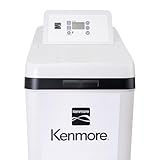
2. Kenmore 350 Water Softener System – 32,000 Grain Capacity Whole House Hard Water & Iron Reduction – Compact, Easy to Install, Salt Saving Technology
Overview:
The Kenmore 350 targets small-to-medium households (1-4 people) struggling with hard water and low-level iron. This compact system softens water to protect appliances and improve skin/hair health, featuring smart regeneration and straightforward maintenance.
What Makes It Stand Out:
Kenmore’s IntelliSoft AI technology learns household water patterns to regenerate only when necessary, cutting salt use by up to 33% compared to timer-based models. Its space-saving design fits tight spaces without sacrificing flow rate, and the sediment shield proactively guards plumbing—a standout for iron-prone areas.
Value for Money:
Excellent value for budget-conscious buyers needing reliable, efficient softening. The AI-driven salt savings lower long-term costs, while the strong warranty (10 years on tank) offsets its modest upfront price. Competes well against pricier metered systems for homes under 4 people.
Strengths and Weaknesses:
Strengths: Intelligent salt-saving regeneration; compact footprint; effective iron reduction; intuitive digital display.
Weaknesses: Lower 32,000-grain capacity suits smaller homes only; no integrated pre-filter for sediment; limited warranty on electronics (3 years).
Bottom Line:
A smart, cost-effective solution for families of 4 or fewer with moderate hard water. Its AI efficiency and iron handling deliver strong performance, making it a recommended buy for value-focused homeowners.
3. Aquasana SimplySoft® 60,000 Grain Water Softener - Whole House Hard Water Reduction - Base Tank & Cabinet System WH-SF60-BASE

Overview:
Designed for large homes (5+ people, 4+ bathrooms), the Aquasana SimplySoft 60K offers high-capacity hard water reduction. It uses ion exchange to deliver soft water throughout the house, certified to NSF/ANSI Standard 44 for hardness reduction.
What Makes It Stand Out:
The 60,000-grain capacity handles heavy usage effortlessly, while metered operation reduces salt and water use by 50% and 28% respectively versus timer models. Its cabinet enclosure provides aesthetic integration, and the 10-year tank warranty exceeds industry standards—ideal for spacious properties.
Value for Money:
Premium-priced but justified for large households where frequent regeneration would cripple cheaper units. Long-term savings on appliance longevity, detergent, and salt offset costs. Optional pre-filter (sold separately) is necessary for well water, adding to initial investment.
Strengths and Weaknesses:
Strengths: High capacity for large homes; exceptional water/salt efficiency; strong 10-year warranty; certified performance.
Weaknesses: Pre-filter not included; bulky cabinet requires significant space; limited technical support details beyond phone assistance.
Bottom Line:
A top pick for large families needing high-volume softening. Its efficiency and robust warranty deliver tangible long-term savings, though buyers should budget for the essential pre-filter add-on.
4. Aquasana SimplySoft® 40,000 Grain Water Softener - Whole House Hard Water Reduction - Base Tank & Cabinet System WH-SF40-BASE

Overview:
The Aquasana SimplySoft 40K serves mid-sized homes (up to 5 people, 4 bathrooms), reducing hard water minerals to protect plumbing and enhance daily water quality. It shares the series’ core technology but in a more accessible capacity tier.
What Makes It Stand Out:
Like its 60K sibling, it boasts metered regeneration for 50% less salt and 28% less water usage, plus IAPMO/NSF certification. The included cabinet offers discreet installation, and the 10-year tank warranty provides peace of mind—uncommon at this price point.
Value for Money:
Offers premium features (metered control, cabinet) at a mid-range cost, outperforming basic timed softeners in efficiency. The warranty and reduced operational costs make it cost-effective for households of 3-5 people, though the separate pre-filter purchase slightly inflates initial spend.
Strengths and Weaknesses:
Strengths: Significant salt/water savings; certified hardness reduction; space-saving cabinet; strong 10-year warranty.
Weaknesses: Pre-filter sold separately; LCD interface less advanced than digital competitors; cabinet limits placement flexibility.
Bottom Line:
A balanced choice for medium households wanting efficient, certified softening without overspending. Highly recommended if paired with the optional pre-filter for optimal performance.
5. Aquasure 48,000 Grains Whole House Water Filter Bundle with Automatic Digital Metered Control Softener and 75 GPD RO Reverse Osmosis Drinking System | Removes Hardness | Ideal for 3-4 bathrooms

Overview:
This Aquasure bundle combines a 48,000-grain whole-house softener with a 75 GPD RO drinking system—ideal for 3-4 bathroom homes seeking both softened water and purified drinking water in one package.
What Makes It Stand Out:
The dual-system approach is its crown jewel: the metered softener eliminates hard minerals while the RO unit delivers bottled-water quality from a dedicated faucet. High-efficiency Aquatrol control minimizes water waste, and the 5-year warranty with lifetime tech support covers both components.
Value for Money:
Superior value versus buying systems separately. The RO integration solves a common gap (drinking water purity) that standalone softeners ignore. Long-term savings from reduced scale damage and bottled water purchases offset the higher initial cost, especially for health-conscious families.
Strengths and Weaknesses:
Strengths: Complete solution (softening + drinking water); efficient metered regeneration; robust warranty; reduces maintenance costs.
Weaknesses: RO system requires under-sink space and plumbing; bundle complexity may deter DIY installers; no pre-filter included.
Bottom Line:
A standout investment for households prioritizing comprehensive water quality. The bundled RO system eliminates a critical need, making this the most holistic—and recommended—option for discerning buyers.
6. Kenmore Elite 520 Hybrid Water Softener & Whole House Filtration System – NSF-Certified 2-in-1 Softener + Filter – Great Tasting Drinking Water from Whole Home Softener

Overview: The Kenmore Elite 520 is a premium all-in-one solution targeting households plagued by hard water and chlorine-related taste/odor issues. It uniquely combines water softening with integrated carbon filtration to address both mineral hardness and aesthetic water quality concerns across the entire home, eliminating the need for separate systems.
What Makes It Stand Out: Its standout feature is the dual functionality: softening water to prevent scale while simultaneously reducing chlorine via self-cleaning carbon media, improving taste without filter replacements. The IntelliSoft AI technology optimizes regeneration based on actual usage, minimizing salt and water waste. The compact 1" high-flow design ensures strong pressure even in tight spaces.
Value for Money: Priced higher than basic softeners, it justifies cost by merging two critical systems (softener + filter) into one NSF-certified unit with smart efficiency. Long-term savings come from reduced salt usage, no filter replacements, and appliance protection, making it economical for medium-to-large families despite the initial investment.
Strengths and Weaknesses: Strengths: Eliminates need for pre-filters; AI-driven efficiency; NSF-certified; compact yet high-flow; improves skin/hair and appliance longevity. Weaknesses: Carbon media effectiveness may diminish over very long periods; not ideal for extremely high iron levels (>3 ppm); premium price may deter budget buyers.
Bottom Line: An excellent investment for families seeking comprehensive whole-home water quality improvement with minimal maintenance. Ideal if chlorine taste and hard water are dual concerns, though those with severe iron issues should consider supplemental treatment.
7. AO Smith Whole House Salt Free Descaler System - Works with City & Well Water Filters - 6yr, 600,000 Gl - Water Softener Alternative for Home - AO-WH-DSCLR
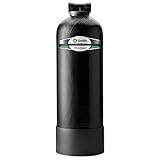
Overview: The AO Smith Descaler is a maintenance-free, salt-free alternative to traditional water softeners, designed specifically to prevent scale buildup in pipes and appliances without removing hardness minerals. It targets households with moderate hardness seeking chemical-free, low-effort protection.
What Makes It Stand Out: Its salt-free, electricity-free operation using Template Assisted Crystallization (TAC) technology sets it apart—converting hardness minerals into non-adhesive crystals to prevent scaling. The 6-year/600,000-gallon warranty and compatibility with both well and city water add significant appeal for eco-conscious users avoiding salt discharge.
Value for Money: Highly cost-effective for moderate hardness (under 15 GPG), with no ongoing costs for salt, electricity, or filter changes. The long warranty and zero maintenance justify the upfront price, especially for users prioritizing scale prevention over true water softening benefits like soap efficiency.
Strengths and Weaknesses: Strengths: Zero maintenance; no salt/water waste; long warranty; easy installation; works on well/city water. Weaknesses: Does not soften water (no skin/hair benefits); ineffective for very hard water (>15 GPG), high iron, or sulfur; won’t improve soap lathering or remove existing scale.
Bottom Line: A smart buy for scale prevention in moderately hard water where true softening isn’t needed. Not a softener replacement, but ideal for eco-focused households with plumbing protection as the sole priority.
8. Varify Water Hardness Test Kit - Water Testing Kit for Home, Drinking, Well, Spa, Swimming Pool, Softener, Dishwasher & More - Hard Water Test Strips for Calcium, Magnesium etc (0-425 pmm, 150 Strips)

Overview: The Varify Test Kit offers a rapid, at-home solution for measuring water hardness (0–425 PPM/0–25 GPG) across multiple sources—tap, well, pool, or spa—using simple dip strips. It empowers users to diagnose hard water issues before investing in treatment systems.
What Makes It Stand Out: Its oversized color chart ensures effortless readability, while the FreshSeal packaging guarantees strip longevity. The dual-sealed pouches (150 strips total) and extended shelf life outperform many competitors. Supporting clean water initiatives adds ethical appeal without inflating cost.
Value for Money: Exceptional value at its price point: 150 accurate tests for under $0.20 per use. It prevents costly missteps (e.g., buying an oversized softener) by confirming actual hardness levels. Charity contribution enhances perceived worth, though it doesn’t impact functionality.
Strengths and Weaknesses: Strengths: Extremely fast results (<15 sec); highly accurate for hardness; intuitive color matching; portable; long shelf life; supports clean water causes. Weaknesses: Only tests hardness (not contaminants like chlorine/iron); strips can degrade if improperly stored; single-use nature generates minor waste.
Bottom Line: A must-have diagnostic tool for any homeowner. Essential for verifying water issues before purchasing treatment systems—practical, affordable, and socially conscious.
9. Tier1 Whole House Water Softener System Compact 32,000 Grain High Efficiency with Sediment Pre-Filter | Pre-Filled Mineral Tank with 1 Cubic Foot of Cation Resin | Home Water Filtration System

Overview: The Tier1 32,000-grain softener is a space-efficient, high-capacity system designed for small-to-medium homes battling hard water. It includes a sediment pre-filter and focuses on durability and appliance protection without advanced smart features.
What Makes It Stand Out: The patented ceramic disk control valve—guaranteed maintenance-free for life—is its crown jewel, eliminating common failure points like seals or pistons. The metered regeneration optimizes salt usage based on actual water consumption, and the compact footprint suits cramped utility areas.
Value for Money: Competitive pricing for a 32k-grain unit with included pre-filter and lifetime valve coverage. Efficient metered operation reduces salt costs long-term, making it a budget-friendly workhorse for households under 4 people where premium AI tech isn’t essential.
Strengths and Weaknesses: Strengths: Lifetime ceramic valve warranty; effective sediment pre-filter; compact size; reduces soap usage; straightforward programming. Weaknesses: Lacks smart monitoring/AI; no iron-specific resin; basic display; salt tank size may limit very large families.
Bottom Line: A reliable, no-frills softener for cost-conscious buyers needing solid performance in tight spaces. Best for average-sized homes prioritizing durability over high-tech features.
10. Aquasure Harmony Series 70,000 Grains Whole House Water Softener with Automatic Digital Metered Control Head | Fine Mesh Resin for Iron Removal, Reduces Hardness & Improves Water | for 4-6 bathrooms

Overview: The Aquasure Harmony Series is a high-capacity (70,000-grain) softener engineered for large homes (4–6 bathrooms) with severe hard water or iron issues. It combines robust filtration, iron reduction, and smart digital control for comprehensive whole-house protection.
What Makes It Stand Out: Its triple-threat approach—fine mesh resin for iron removal (up to 10 PPM), a multi-stage pre-filter for chlorine/VOCs/sediment, and a fully programmable digital metered head—delivers superior water quality. The backlit display simplifies customization for varying water conditions.
Value for Money: Priced for premium performance, it justifies cost with heavy-duty capacity, iron-specific treatment, and contaminant reduction rarely found in softeners. Long-term savings come from extended appliance life and reduced soap/detergent use, ideal for large households with well water.
Strengths and Weaknesses: Strengths: Handles high iron/hardness; advanced pre-filtration; large capacity for big homes; intuitive digital controls; improves skin/hair/laundry. Weaknesses: Bulky footprint; steep upfront cost; fine mesh resin requires more frequent maintenance with very high iron.
Bottom Line: The top choice for large homes or well-water users with iron problems. Worth the investment for comprehensive water quality enhancement where standard softeners fall short.
Understanding the Unique Demands of Well Water
Well water presents a complex cocktail of challenges that municipal water rarely encounters. Unlike treated city water, groundwater flows directly through mineral-rich rock and soil, picking up hardness minerals, iron in various problematic forms (ferrous “clear water” iron, ferric “red water” iron, and organic iron), manganese, sulfur (causing rotten egg smell), and potentially sediment or even bacteria. Standard water softeners designed for city supply often lack the capacity or specialized components to handle this aggressive mixture, leading to premature failure, stained fixtures, and ineffective softening. Recognizing that your well water is a unique entity is the crucial first step toward effective treatment.
Why Standard Softeners Fail with Well Water
Most conventional softeners rely solely on ion exchange resin to remove calcium and magnesium. However, they lack the robust pre-filtration needed to handle iron and sediment common in wells. Iron, especially in its oxidized ferric form, acts like sandpaper inside the resin tank, coating the beads and drastically reducing efficiency. Without proper protection, the resin becomes fouled and ineffective within months, not years. Sediment clogs valves and controllers, while high iron levels can even promote bacterial growth (like iron bacteria), creating slimy, smelly nightmares that standard systems aren’t engineered to combat.
The Critical Role of Comprehensive Water Testing
Before even considering a system, you must have your well water professionally tested by a certified lab. Guessing based on symptoms is a gamble that often leads to the wrong purchase. Testing should specifically measure:
- Total Hardness (as CaCO3): The primary target for softening.
- Iron (Total & Ferrous/Ferric): Different forms require different treatment approaches.
- Manganese: Often accompanies iron and causes similar issues.
- pH Level: Affects corrosion potential and treatment effectiveness.
- TDS (Total Dissolved Solids): High levels can impact system performance.
- Sulfur/Hydrogen Sulfide: Causes odor and corrosion.
- Bacteria (Coliform/E. coli): Essential for health safety. This detailed report is your roadmap—it dictates the necessary components and capacity of your system.
Essential Features for Well Water Softening Systems
Choosing a system designed specifically for well water isn’t optional; it’s fundamental to longevity and performance. These core features address the harsh realities of untreated groundwater.
High-Capacity Resin with Iron Resistance
The heart of the softener is the resin tank. For well water, prioritize systems using iron-fouling resistant resin. Standard polystyrene resin is easily coated and ruined by iron. Look for resins specifically formulated with cross-linking designed to repel iron ions or those using acrylic-based polymers known for superior iron tolerance. Higher resin capacity (measured in grains) is also vital, as iron and manganese consume significant exchange capacity alongside hardness minerals.
Integrated or Mandatory Pre-Filtering Solutions
No softener, no matter how robust, can function long-term without proper pre-filtration for well water. Essential pre-treatment stages typically include:
- Sediment Filter: A 5-micron (or finer) filter before the softener to catch sand, silt, and rust particles that would otherwise clog valves and resin.
- Iron & Manganese Filter (Often Required): For moderate to high iron/manganese levels (typically > 1-3 ppm), a dedicated oxidizing filter (using air, chlorine, or potassium permanganate) must be installed upstream of the softener to convert dissolved ferrous iron into filterable ferric iron. Skipping this step guarantees softener failure.
Robust Valve and Control System Durability
Well water is hard on mechanical components. Standard valves can corrode or seize due to iron, sediment, or low pH. Look for valves constructed from high-grade engineering plastics (like glass-filled nylon) instead of brass or lower-grade plastics, which resist corrosion and scaling. A bypass valve rated for high sediment is non-negotiable for maintenance. Consider valves with serviceability in mind—easy access to seals and pistons—since well water conditions demand more frequent upkeep.
Advanced Considerations for Optimal Performance
Beyond the basics, several advanced features significantly enhance reliability and effectiveness for challenging well water sources.
Demand-Initiated Regeneration (DIR) vs. Time Clock
While time-clock systems regenerate on a fixed schedule, Demand-Initiated Regeneration (DIR) systems measure actual water usage and only regenerate when the resin is exhausted. This is highly recommended for well water users for two key reasons: it conserves salt and water (critical if your well yield is limited), and more importantly, it prevents premature exhaustion during periods of high usage, which is common in households dealing with hard water symptoms. Exhaustion leads to hard water entering the house and can exacerbate iron problems.
Salt Type and Resin Cleaning Capabilities
The type of salt used matters more with well water. Iron-Out or Rust Remover additives specifically designed for softeners can help combat mild iron fouling during regeneration. Some advanced systems incorporate resin cleaners into their regeneration cycle, using special solutions to periodically lift iron deposits off the resin beads, significantly extending resin life. Ensure the system is compatible with these specialized cleaning agents.
Handling High Iron Bacteria Levels
If your water test indicates iron bacteria (slimy buildup, musty odors), standard softeners alone are insufficient. You’ll likely need a shock chlorination of the well first, followed by a system incorporating continuous chlorine injection or ultraviolet (UV) disinfection before the softener and pre-filters to kill bacteria continuously. The softener then handles the residual hardness and any iron released during disinfection. This requires careful system design and potentially multiple treatment stages.
Accommodating Low Water Pressure or Yield
Wells often have lower pressure or limited flow rates compared to municipal lines. Ensure the softener system you choose has a flow rate capacity that matches or exceeds your household’s peak demand (e.g., multiple showers running plus laundry). Look for valves designed for low-flow efficiency and systems with larger diameter piping within the unit to minimize pressure drop. A system that chokes your water flow is unusable, no matter how good its softening capacity.
Installation and Long-Term Maintenance Realities
Proper installation and committed maintenance are where many well water softener setups fail, even with a good system. Cutting corners here negates the investment.
Professional Installation is Highly Advisable
While DIY installation is tempting, well water systems’ complexity often warrants professional expertise. A qualified installer understands:
- Correct pre-filter placement and sequencing.
- Proper bypass valve setup for well pump protection.
- Electrical requirements for controllers and potential pre-treatment.
- Drain line considerations for high-backpressure situations common with wells.
- Integrating with existing well pump controls. Mistakes during installation can lead to system damage, poor performance, or even well contamination.
The Non-Negotiable Maintenance Schedule
Well water softeners demand significantly more upkeep than city water units. Expect to:
- Clean or replace sediment pre-filters monthly or even weekly, depending on conditions.
- Add specialized resin cleaners quarterly or as needed based on iron levels.
- Inspect and clean valve seals/pistons more frequently due to sediment.
- Monitor salt levels closely, as high iron/manganese consumption increases salt usage.
- Retest water annually to ensure the system is still effectively handling contaminants. Neglecting maintenance leads directly to system failure and damaged plumbing.
Salt Storage and Environmental Considerations
Consider where you’ll store salt pellets or blocks. Moisture causes bridging (salt forms a crust and won’t dissolve). Choose a dry, covered location. Also, be mindful of where the brine discharge goes. High-sodium brine can harm septic systems if not properly managed and can damage landscaping. Check local regulations regarding discharge, especially if you have a septic system.
Evaluating System Capacity and Sizing Correctly
Choosing a system that’s too small is a common and costly error for well water users. Under-sizing leads to constant regeneration, excessive salt use, and periods of hard water.
Calculating True Grain Capacity Needs
Don’t just base capacity on household size and average hardness. Factor in iron and manganese! Each part per million (PPM) of iron consumes 4-5 times its weight in exchange capacity, and manganese consumes about 3 times. For example, water with 15 GPG hardness, 3 PPM iron, and 0.5 PPM manganese has a total demand of roughly 15 + (3 x 5) + (0.5 x 3) = 15 + 15 + 1.5 = 31.5 “effective” GPG. A 48,000-grain system would only handle about 1,524 gallons between regenerations (48,000 / 31.5), far less than its nominal capacity for hardness alone.
Considering Flow Rate and Service Flow
Capacity isn’t just about total grains; it’s also about how fast the system can deliver softened water. Check the service flow rate (GPM - gallons per minute) specification. This must meet your household’s peak demand (e.g., 12-15 GPM for a typical family home with multiple fixtures running). A system with high grain capacity but low flow rate will leave you with weak water pressure during showers or laundry.
Future-Proofing Your Investment
Consider potential changes: adding a bathroom, filling a large pool, or even a growing family. Choosing a system with 10-20% more capacity than your current calculated need provides a buffer for future demands or slight variations in water quality, reducing regeneration frequency and extending component life.
Navigating Warranties and Support
Warranties for well water systems require careful scrutiny, as harsh conditions often void standard coverage.
Understanding Exclusions for Well Water
Many standard softener warranties explicitly exclude damage caused by iron, sediment, or improper pre-filtration. Read the fine print meticulously. Look for manufacturers offering warranties specifically acknowledging well water use or providing clear guidelines on required pre-treatment for the warranty to remain valid. A warranty that excludes the very contaminants you’re dealing with is nearly worthless.
Importance of Manufacturer Expertise
Choose brands with a proven track record and dedicated support for well water applications. Do they have technical support staff experienced with iron, manganese, and low-yield well challenges? Can they provide guidance on integrating pre-treatment? Companies specializing in well water solutions are far more likely to offer realistic support and stand behind their products under demanding conditions.
Service Network Accessibility
Consider the availability of qualified service technicians in your area, especially for complex multi-stage systems. A great system is frustrating if no one locally understands how to maintain or repair it. Check if the manufacturer has a dealer network with well water expertise near you before purchasing.
Frequently Asked Questions
Frequently Asked Questions
How often do I need to replace the resin in a well water softener? Resin lifespan varies significantly based on water quality and maintenance. With high iron levels and proper pre-filtration/cleaning, expect 10-15 years. Without adequate pre-treatment, resin can foul within 1-3 years. Regular resin cleaning extends life.
Can I use potassium chloride salt instead of sodium chloride with well water? Yes, potassium chloride is an option, especially if sodium is a health concern. However, it’s less efficient at removing hardness and iron, may require more frequent regeneration, is more expensive, and can be harder on resin over time. Ensure your system is compatible.
Is a whole-house filter alone enough for well water with iron? Generally, no. Standard carbon or sediment filters remove particulate iron (ferric) but not dissolved iron (ferrous), which causes staining and fouling. Softeners handle ferrous iron if levels are low, but moderate to high levels require a dedicated oxidizing iron filter before the softener.
Why does my softener use so much more salt since switching to well water? Well water contaminants like iron and manganese consume significant exchange capacity, forcing the softener to regenerate more frequently. This drastically increases salt consumption compared to treating municipal water with only hardness minerals.
Do I need a separate iron filter if my softener claims “iron removal”? Most standard softeners only handle very low levels of ferrous iron (typically < 1-3 ppm). If your water test shows levels above this, or if you have ferric or organic iron, a dedicated pre-filter is essential. Don’t rely solely on a softener’s “iron removal” claim for well water.
How do I know if iron bacteria is affecting my softener? Signs include slimy, orange/red buildup inside the brine tank or on valve components, persistent musty or sewage-like odors from the water, and clogged pre-filters that are slimy rather than sandy. Shock chlorination of the well is the first step.
Can low water pressure from my well damage the softener? Yes, extremely low pressure can prevent proper regeneration cycles (brine draw, backwash, rinse). Ensure your system’s minimum operating pressure requirement is met by your well pump. A pressure tank booster might be necessary.
What’s the best way to clean iron-fouled resin? Use a commercial resin cleaner specifically designed for iron removal, following the product and softener manufacturer’s instructions precisely. This is usually done during a manual regeneration cycle. Prevention via pre-filtration is far better than cure.
Should I install the softener before or after my pressure tank? The softener must be installed after the pressure tank and any sediment pre-filter, but before the pressure switch. This protects the softener from constant pump cycling pressure surges and ensures it only treats filtered water.
How often should I retest my well water after installing a softener system? Retest annually at minimum, or immediately if you notice changes in water quality (staining, odors, reduced flow). Water chemistry can change over time due to geological shifts or well deterioration, requiring system adjustments.