Auto-dispense is one of those features that sounds like a small convenience until you live with it. You fill a tank once a month, the machine decides how much detergent each load needs, and the cap that used to sit on the washer collecting dust stops being part of the routine. For a household running eight or ten loads a week, that is a genuine change to how laundry feels.
It is also a feature that is hard to shop for, because the words on the box are vague. An adaptive dispenser, a smart dispenser and an auto-dispense system are three different things, and only one of them holds a reservoir and pumps detergent on its own. A drawer that accepts pods, liquid and powder is useful, but it still needs filling every single load.
Of the eight machines in this batch, two document a bulk tank: the GE Profile 5.3 with SmartDispense and the Samsung Bespoke 5.3 with Flex Auto Dispense. The rest are here because they are good washers with conventional drawers you fill for every load, and because not everyone wants a tank. We have said plainly which is which rather than stretching the definition.
We compared specifications, features and owner reports, including the maintenance complaints that show up after the first year.
Top picks at a glance
GE Profile 5.3 cu. ft. Smart Front Load Washer in Sapphire Blue w/OdorBlock Ul
Check price on AmazonElectrolux 27 in. W 4.5 cu. ft. Front Load Washer with SmartBoost, LuxCare Plu
Check price on AmazonKenmore 4.5 cu. ft. Front Load Washer
Check price on AmazonCompare the shortlist
| Model | Type | Capacity | Key feature | Amazon |
|---|---|---|---|---|
| 1. GE Profile 5.3 cu. ft. Smart Front Load Washer in Sapphire Blue | Front-load | 5.3 cu ft | Steam | Check price |
| 2. Samsung WF90F53ADS 5.3 Cu. Ft. Bespoke AI Dark Steel Front Load | Front-load | 5.3 cu ft | Auto-dispense | Check price |
| 3. LG 5.2 cu. Ft Stackable Smart Front Load Washer in Black Steel w | Front-load | 5.2 cu ft | Steam | Check price |
| 4. Kenmore 4.5 cu. ft. Front Load Washer | Front-load | 4.5 cu ft | Steam | Check price |
| 5. Electrolux 27 Inch Front Load Washer with 4.5 cu ft Capacity, Lu | Front-load | 4.5 cu ft | Steam | Check price |
| 6. LG WM3470CM 27 Inch Front Load Washer with 5.0 Cu. Ft. Capacity, | Front-load | 5.0 cu ft | Front-load | Check price |
| 7. Electrolux 27 in. W 4.5 cu. ft. Front Load Washer with SmartBoos | Front-load | 4.5 cu ft | Steam | Check price |
| 8. Samsung 4.5 cu. ft. High Efficiency Front Load Washer with Vibra | Front-load | 4.5 cu ft | Low noise | Check price |
Detailed reviews
GE Profile 5.3 cu. ft. Smart Front Load Washer in Sapphire Blue w/OdorBlock UltraFresh Vent System, Microban,
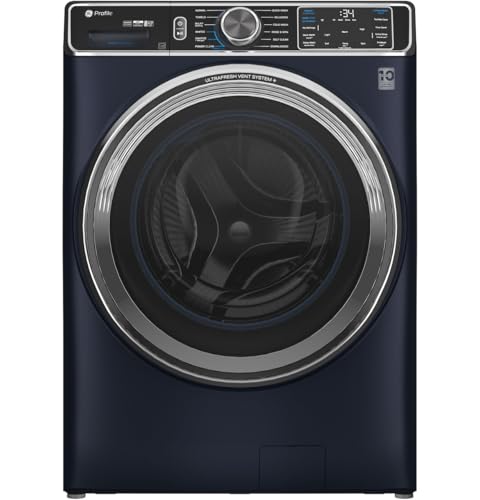
The GE Profile 5.3 in sapphire blue is the most complete auto-dispense machine here. SmartDispense holds detergent for about 32 loads and meters it per cycle, while steam, sanitize plus allergen, power clean, quick wash and cold wash cover the rest of the week. UltraFresh venting dries the drum afterward, and Microban is listed as well. SmartHQ adds remote control and downloadable cycles.
What stands out
- SmartDispense holds enough detergent for about 32 loads
- Sanitize and allergen cycles add real range to the dial
- UltraFresh venting limits gasket odor between wash days
Watch out for
- Bulk tank is liquid-only by design and cannot take pods
- Twenty-eight inch width needs extra clearance on both sides
Samsung WF90F53ADS 5.3 Cu. Ft. Bespoke AI Dark Steel Front Load Smart Washer

Samsung's Bespoke 5.3 in dark steel pairs the Flex Auto Dispense system with a 7-inch AI Home touchscreen and SmartThings control. The dispenser handles the dosing decisions, the screen makes the settings visible, and the 5.3 cubic foot drum keeps load count down. The listing gives the width as 43 inches, which is not a plausible front-loader measurement, so verify the cabinet size before you plan the space.
What stands out
- Flex Auto Dispense meters detergent automatically for every load
- Seven-inch screen is easy to read and adjust
- Five cubic feet handles bedding, towels and family loads
Watch out for
- Listed 43-inch width looks like a specification error
- Touchscreen adds one more costly part to repair
LG 5.2 cu. Ft Stackable Smart Front Load Washer in Black Steel with Steam & Turbowash Technology

LG's 5.2 cubic foot washer in black steel has an inverter direct drive motor, steam, TurboWash and a quoted 105 kWh annual consumption. It does not document an auto-dispense tank, so it belongs here as a large, quiet machine with a conventional drawer. The cabinet is 225 pounds, stackable, and the listing dimensions are placeholders rather than measurements. Capacity is its main argument.
What stands out
- Inverter direct drive is quiet, durable and belt-free
- Large 5.2 cubic foot drum cuts the weekly load count
- Steam and TurboWash are both included on this model
Watch out for
- No bulk detergent tank documented anywhere in the listing
- Listed dimensions are not usable for planning a closet
Kenmore 4.5 cu. ft. Front Load Washer

Kenmore's 4.5 cubic foot washer in metallic silver, with 12 cycles, five wash temperatures, Steam Treat and an Extra Rinse option. There is no bulk tank, just a standard drawer, but Cold Clean and ENERGY STAR certification keep running costs sensible. The 27-inch cabinet and 216-pound weight are ordinary for the class. A solid machine if you want steam and a second rinse without automated dosing.
What stands out
- Steam Treat and Extra Rinse come in the same machine
- Twelve cycles with five temperature options to choose
- Standard 27-inch cabinet fits most existing laundry closets
Watch out for
- No auto-dispense reservoir or pump on this model
- Touch controls take a moment to respond when wet
Electrolux 27 Inch Front Load Washer with 4.5 cu ft Capacity, LuxCare® Plus Wash, Perfect Steam™, SmartBoost®,
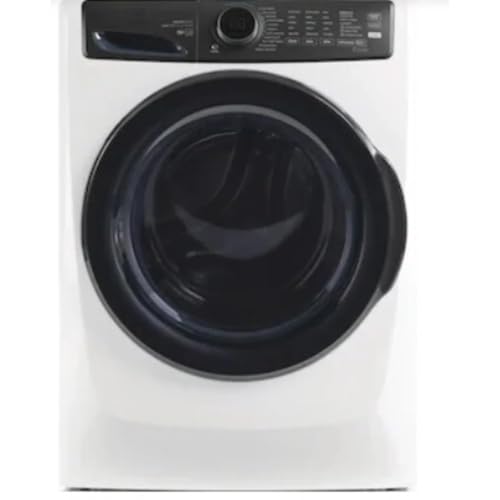
Electrolux's 4.5 cubic foot washer uses LuxCare Plus, SmartBoost and Perfect Steam, with a 1,300 rpm spin, Stain Soak and a 15-minute fast wash. The Adaptive Dispenser accepts pods, liquid or powder and separates bleach and softener, which is flexible rather than automatic. It is the machine to choose if you want to vary detergent by load without cleaning a tank.
What stands out
- Adaptive Dispenser takes pods, liquid or powder in one drawer
- 1,300 rpm spin extracts more water before drying
- Pure Rinse clears detergent residue from fabric and towels
Watch out for
- Dispenser is manual rather than an automated bulk system
- No bulk reservoir to cover a month of loads
LG WM3470CM 27 Inch Front Load Washer with 5.0 Cu. Ft. Capacity, 8 Wash Programs, 1,300 RPM, SpeedWash Cycle,

The LG WM3470CM offers 5.0 cubic feet, eight wash programs, a 1,300 rpm spin and a SpeedWash cycle, with 6Motion movement and ColdWash. Rinse plus Spin and a control lock are included, and SmartDiagnosis helps with faults. No auto-dispense system is listed, so this is a conventional drawer machine with a large drum. The matching dryer is the DLE3470M if you want a pair.
What stands out
- Five cubic feet inside a standard 27-inch cabinet
- SpeedWash shortens a normal cycle without a soak
- Matching dryer available if you want a stacked pair
Watch out for
- No bulk dispenser and no automatic dosing system
- Only eight programs on a fairly basic dial
Electrolux 27 in. W 4.5 cu. ft. Front Load Washer with SmartBoost, LuxCare Plus Wash System, Perfect Steam in

The Electrolux 4.5 with SmartBoost and Perfect Steam, an Adaptive Dispenser that handles pods, liquid or powder, and more than eleven cycles. It is 38 inches tall, which is shorter than most of this group and useful under a low counter. No bulk tank is documented. If your reason for reading this guide is a drawer you can fill and forget, this is not it, but it is the most flexible manual dispenser here.
What stands out
- Adaptive dispenser accepts pods, liquid and powder detergent
- Thirty-eight inch height fits under a low counter
- SmartBoost premixes detergent with water before the wash begins
Watch out for
- No auto-dispense tank documented anywhere in this listing
- No dedicated extra-rinse button anywhere on the console
Samsung 4.5 cu. ft. High Efficiency Front Load Washer with Vibration Reduction Technology+, White, WF45T6000AW
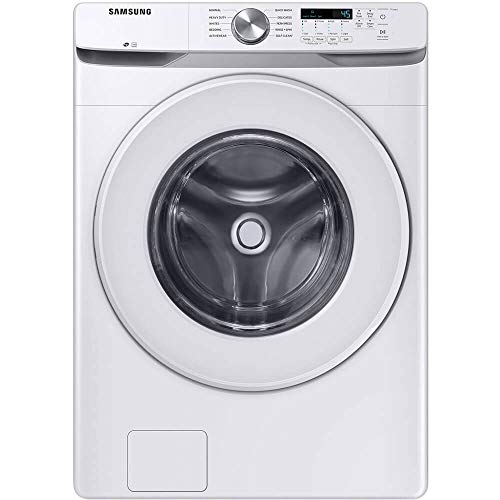
The Samsung 4.5 is the plainest machine in this group: Vibration Reduction Technology+, a Swirl+ drum that extracts more water, and ENERGY STAR certification, with nothing in the listing that describes a bulk tank or a dosing pump. There is no reservoir and no software deciding the dose, which is the point. At 200 pounds and 27 inches wide it fits a standard closet, and the simple control set has fewer parts to fail. For a household that measures detergent by hand, that is a sensible place to save.
What stands out
- Vibration Reduction Technology+ keeps spin noise down
- Swirl+ drum leaves less water for the dryer
- Simple controls with no dispenser pump to maintain
Watch out for
- No auto-dispense tank or dosing software
- No steam cycle and no app connectivity
Buying guide
How Auto-Dispense Actually Works
A bulk system has three parts: a reservoir you fill, a pump, and software that decides the dose. The machine knows the cycle you selected and, on some models, the weight of the load, and it pumps a measured amount into the drum at the right point in the wash. GE's SmartDispense holds enough detergent for about 32 loads according to the listing. Samsung's Flex Auto Dispense does the same job with its own tank and pairs it with a 7-inch control screen on the Bespoke model. The result is a dose that stays the same from load to load, which is more than most people achieve with a cap.
The weak point is the assumption. A machine that doses by cycle and load size cannot tell how dirty the clothes are, and it cannot tell that you switched to a more concentrated detergent. Most systems assume a standard concentration and a normal soil level. That is fine for a household with predictable laundry and less fine for one that washes greasy work clothes on Monday and delicates on Tuesday, which is exactly the household that ends up overriding the system. That is why the better systems let you set a soil level or a water hardness value, and why a manual override still matters.
What Goes In the Tank, and What Does Not
Bulk reservoirs are built for liquid high-efficiency detergent. Pods cannot go in, because there is no way to drop one into a sealed tank, and powder is a bad idea because it does not dissolve reliably and settles in the lines. Bleach should never go in a detergent tank. Fabric softener needs its own compartment on the models that offer one, and even then it is worth skipping for the sake of towels and skin. A tank filled with the wrong liquid is a pump replacement waiting to happen.
Concentration is the trap. Two liquids can differ by a factor of two in strength, and a tank calibrated for one will over- or under-dose the other. When you change brands, run the tank down, flush it with warm water, and start fresh. If the detergent is very thick, check the manual for a recommended dilution; some systems handle thick formulas poorly and clog at the pump. A cheap detergent that gels in cold weather is the usual cause of a dispenser fault in winter. Keep the bottle or photograph the label, so you can match the concentration next time.
The Maintenance Nobody Mentions
Detergent tanks grow biofilm. The residue is warm, wet and sugary, and after a few months the inside of the reservoir feels slick and smells faintly sour. Manufacturers usually suggest flushing the tank every few months with warm water, and some recommend a mild citric acid solution. It takes ten minutes and prevents the pump from dosing a film of old detergent into every load. A tank you never clean is worse than a drawer you rinse weekly. Skip the dishwasher and the bleach, since both shorten the life of the plastic.
The lines and the pump are the parts that fail. Symptoms are easy to spot: the machine reports a dispenser error, the detergent level stops dropping, or clothes come out smelling of nothing at all. Keep the receipt and check the warranty terms, since dispenser faults are sometimes treated as consumable wear. If you fill the tank over a utility sink, wipe the cap before closing it, because dried detergent around the seal is what lets air in and the formula thicken. A dispenser fault is rarely urgent, but it is worth reporting before the warranty window closes.
When Auto-Dispense Is Worth It
The feature pays off in three situations. Large households with a steady volume of similar loads get consistent dosing without thinking about it. Households in hard water benefit because over-dosing is the main cause of scum, and a metered pump is less likely to overfill than a human with a cap. And anyone with limited mobility or a caregiver doing laundry for someone else gets one less step in a repetitive job. The tank also removes a decision from every load, which is its own kind of value in a busy house.
It is less compelling in a small household with varied loads. If you wash two loads a week, a tank holds detergent for months, which is exactly how biofilm gets started. If you use powder deliberately for hard water, the tank removes the option. And if you like changing detergent for different fabrics, you will spend more time flushing the system than you save. A well-designed manual drawer with clear markings is the better tool for that household. That is not a fault in the machine so much as a mismatch between the feature and the household.
Reading the Listing Before You Buy
The phrase to look for is a number, as in a tank that holds enough for a stated number of loads. Without that, the listing is describing a drawer. Electrolux's Adaptive Dispenser, for example, accepts pods, liquid or powder and has separate bleach and softener compartments, which is genuinely useful, but you fill it for every wash. That is not a criticism of the machine, only of the label someone may attach to it. Ask what happens when the tank runs dry mid-cycle, because some machines pause and some finish with water alone.
Check how many tanks there are, too. A single tank doses detergent only, so softener still needs a manual compartment. Dual systems handle both, which is more convenient and one more reservoir to clean. Finally, check the cabinet measurements rather than the title: a few listings here quote a width that belongs to a different model or a placeholder figure. Measure the alcove rather than the old machine, since a 5.3 cubic foot cabinet is usually wider and deeper than the one it replaces.
Frequently asked questions
Can I use pods in an auto-dispense washer?
Not in the tank. Most systems are liquid-only by design, and a pod dropped into a reservoir will not dissolve properly or will clog the pump. If you prefer pods, use the manual compartment if the machine has one, or choose a model with an adaptive drawer instead of a bulk tank.
How long does a detergent tank last?
GE states SmartDispense holds enough for about 32 loads, which is roughly a month for a household doing a load a day. Actual duration depends on load size and the dose the machine selects. A smaller household may take two or three months to empty the tank, which is long enough that cleaning it matters.
Can I put powder detergent in a bulk dispenser?
No. Powder does not dissolve reliably in a reservoir and settles in the lines, which leads to clogs and weak dosing. Bulk systems are designed for liquid high-efficiency detergent. If you use powder for hard water, a manual drawer is the right choice.
Does auto-dispense help with hard water?
It helps indirectly. The biggest cause of scum in hard water is over-dosing, and a metered pump is more consistent than a cap filled by eye. It does not soften the water, so you still need a softener or a descaler. Adjust the dose setting if your water is very hard.
Does auto-dispense save detergent?
Usually a little, because the machine doses to the load instead of to habit. The bigger saving is in avoiding overdosing, which damages fabric and feeds odor. You will not notice a dramatic difference on the bill, but the gasket and the towels will last longer.
Verdict
If you want a tank that doses for you, the GE Profile 5.3 is the machine to get. SmartDispense holds detergent for roughly 32 loads, the steam and sanitize cycles give it more range than a dispenser alone would, and UltraFresh venting keeps the drum dry between washes. The Samsung Bespoke 5.3 is the upgrade, with Flex Auto Dispense and a 7-inch touchscreen that makes the dosing settings easier to see and change.
The value pick is not an auto-dispense machine at all. The Electrolux 4.5 with the Adaptive Dispenser takes pods, liquid or powder and gives you a cleanable drawer for every load, which suits households that change detergent often. If you would rather skip the tank entirely, the Samsung 4.5 is the simplest machine here, with a plain drawer and vibration control instead of dosing hardware. Buy the GE if you want the tank, and buy the Electrolux if you want the flexibility without the cleaning ritual.