The first time you run a load of cloth diapers, the machine tells you what it thinks of the job. A diaper load is small, heavy when wet, and full of solids that need to be flushed out before the main wash. Machines built around saving water and time are the wrong tool. Machines that let you prewash, fill deep and rinse twice are the right one.
The routine most families settle on is two cycles: a short prewash with a little detergent to remove the bulk, then a heavy-duty main wash with a full dose, followed by an extra rinse. It sounds fussy. It is the difference between diapers that smell clean and diapers that smell like a locker room the moment urine hits them.
We compared specifications, features and owner reports on eight washers that can handle that routine, from a 4.1 cu. ft. top loader with a High Water setting to a 5.2 cu. ft. front loader that swallows a week of prefolds. Capacity is the least important number here; water control and rinse options matter more.
A note on what this guide does not cover: sprayers, wet bags and wash routines vary by diaper type. What follows is about the machine, because that is the part you cannot work around.
Top picks at a glance
Midea MLTW41A1BMG 4.1 Cu. Ft. Gray Top Load Washer
Check price on AmazonLG WM4200HWA 5.0 cu ft Front‑Load Washer, Steam Wash, Allergiene™ Cycle, Large
Check price on AmazonKenmore 4.5 cu. ft. Front Load Washer
Check price on AmazonCompare the shortlist
| Model | Type | Capacity | Key feature | Amazon |
|---|---|---|---|---|
| 1. Midea MLTW41A1BMG 4.1 Cu. Ft. Gray Top Load Washer | Top-load | 4.1 cu ft | Top-load | Check price |
| 2. LG WM4200HWA 5.0 cu ft Front‑Load Washer, Steam Wash, Allergiene | Washers | 5.0 cu ft | Steam | Check price |
| 3. Kenmore 4.5 cu. ft. Front Load Washer | Front-load | 4.5 cu ft | Steam | Check price |
| 4. LG WM4000HBA 4.5 Cu. Ft. Smart Front-Load Washer, High-Efficienc | Front-load | 4.5 cu ft | High efficiency | Check price |
| 5. Electrolux 27 in. W 4.5 cu. ft. Front Load Washer with SmartBoos | Front-load | 4.5 cu ft | Steam | Check price |
| 6. LG 4.5 cu. ft. Capacity Smart Front Load Washer with TurboWash | Front-load | 4.5 cu ft | Steam | Check price |
| 7. LG 5.2 cu. Ft Stackable Smart Front Load Washer in Black Steel w | Front-load | 5.2 cu ft | Steam | Check price |
| 8. GE GTW500ASNWS Top Loading Washer with Stainless Steel Basket, 4 | Top-load | 4.6 cu ft | Top-load | Check price |
Detailed reviews
Midea MLTW41A1BMG 4.1 Cu. Ft. Gray Top Load Washer
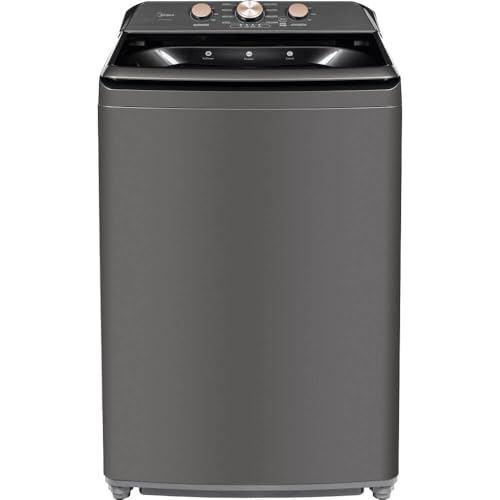
The 4.1 cu. ft. Midea is the value pick for diaper laundry mainly because of its High Water setting. A deep fill is what separates inserts and lets solids rinse away instead of settling back into the fabric. Auto sensing, eight presets and a Tub Clean cycle cover the essentials, and 128 pounds keeps installation simple. Use the override, not the sensor, when the pail is full.
What stands out
- High Water gives diaper loads room to separate and rinse
- The Tub Clean cycle helps control odor between washes
- At 128 pounds it is light enough for two people
Watch out for
- Auto sensing may still choose a shallow fill
- There is no steam or sanitize cycle on this model
LG WM4200HWA 5.0 cu ft Front‑Load Washer, Steam Wash, Allergiene™ Cycle, Large Capacity, SmartThinQ® Wi‑Fi Ena

LG's 5.0 cu. ft. WM4200HWA brings steam, the Allergiene cycle and TurboWash 360 to diaper laundry. The big drum handles a day of prefolds plus covers without packing tight, and steam gives you a hot option gentler than a straight sanitize cycle. Wi-Fi is a bonus, not a reason to buy, but the cycle status is handy when the washer is in a basement.
What stands out
- The 5.0 cu. ft. drum leaves room for diapers to tumble
- Steam helps with odor without a full hot wash
- The Allergiene cycle is a good fit for sensitive skin
Watch out for
- Front-load water sensing can run lean on small loads
- More features mean more components that can fail
Kenmore 4.5 cu. ft. Front Load Washer

The Kenmore 4.5 cu. ft. front loader has twelve cycles, five temperatures and an Extra Rinse option, the combination diaper laundry needs. Steam Treat handles stains, and Cold Clean gives you a low-energy path for covers. The metallic silver finish is the only real difference from the white version, so buy whichever is available when you need it. The drum is a standard 27 inches wide.
What stands out
- The Extra Rinse helps clear detergent from thick inserts
- Steam Treat handles stubborn stains on prefolds and fitteds
- Twelve cycles cover covers, inserts and delicate fabrics
Watch out for
- No dedicated prewash compartment is listed for this model
- At 216 pounds and 34 inches deep, measure first
LG WM4000HBA 4.5 Cu. Ft. Smart Front-Load Washer, High-Efficiency Laundry Machine with Wi-Fi Connectivity, Bla

A 4.5 cu. ft. LG front loader with TurboWash 360 and ThinQ controls. The Allergiene cycle is the draw for diaper laundry, since it targets dander and dust along with detergent residue, and the drum is a sensible size for a two-day load. The dimensions published on this listing look transposed, so confirm them with the seller before you measure the closet.
What stands out
- The Allergiene cycle targets residue, dander and dust
- TurboWash shortens the cycle without skipping the tumble
- 4.5 cu. ft. suits a two-day diaper load
Watch out for
- The listed dimensions look transposed, so verify the fit
- No prewash dispenser tray is listed for this model
Electrolux 27 in. W 4.5 cu. ft. Front Load Washer with SmartBoost, LuxCare Plus Wash System, Perfect Steam in

Electrolux's 4.5 cu. ft. front loader premixes detergent through SmartBoost, which helps in a short prewash where powder can otherwise sit undissolved. Perfect Steam adds a sanitizing option, and the dispenser separates bleach and softener so you can skip softener entirely for diapers. Eleven-plus cycles give you room to build a routine that covers inserts, covers and the occasional towel load.
What stands out
- SmartBoost premixes the detergent before the prewash cycle begins
- Dedicated compartments keep bleach and softener fully separate
- Perfect Steam offers a gentler sanitize path for inserts
Watch out for
- Steam adds cycle time to an already long routine
- The price is steep for a 4.5 cu. ft. drum
LG 4.5 cu. ft. Capacity Smart Front Load Washer with TurboWash

The 4.5 cu. ft. LG with TurboWash has the most useful dispenser here for diaper laundry: four trays for prewash, main wash, bleach and softener. Steam improves stain removal, and SmartDiagnosis helps when a cycle stops mid-wash. It is a mid-size front loader that fits a two-day stash without overfilling, and the 27-inch width suits a closet. It is a sensible middle option.
What stands out
- The four-tray dispenser separates prewash from the main wash
- Steam improves stain removal on heavily soiled inserts
- The 27-inch width fits a tight laundry closet
Watch out for
- No capacity advantage over cheaper 4.5 cu. ft. models
- Front-load water levels run lean on small loads
LG 5.2 cu. Ft Stackable Smart Front Load Washer in Black Steel with Steam & Turbowash Technology

LG's 5.2 cu. ft. stackable front loader is the capacity upgrade. It adds steam and TurboWash, uses an inverter direct drive motor rated at 105 kWh per year, and takes a week of diapers in one or two loads. The black steel finish is cosmetic; the drum size and steam are the reasons to buy. Just do not fill it to the top.
What stands out
- 5.2 cu. ft. takes a week of diapers in one or two loads
- Steam and TurboWash shorten the main wash cycle
- The inverter direct drive motor is quiet and durable
Watch out for
- The large drum tempts overloading, which defeats cleaning
- It costs more than most 4.5 cu. ft. front loaders
GE GTW500ASNWS Top Loading Washer with Stainless Steel Basket, 4.6 Cu. Ft. Capacity, 13 Cycles, White
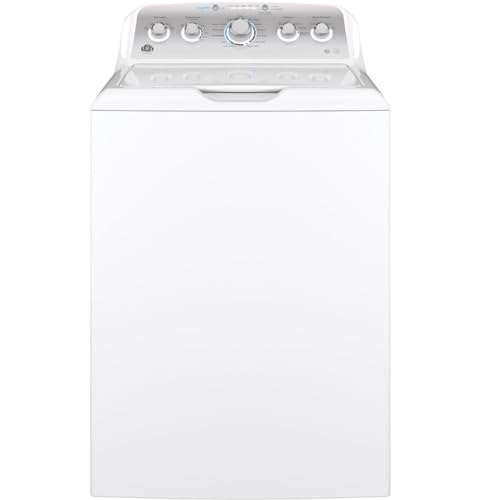
The GE GTW500ASNWS is a 4.6 cu. ft. top loader with a dual-action agitator, a stainless basket and thirteen cycles. The 2nd Rinse option is the key spec for diapers, since it clears detergent that a single rinse leaves behind. It is loud, unglamorous and very good at heavy cotton. The 44-inch height also means less bending than a front drum.
What stands out
- The dual-action agitator lifts solids out of heavy cotton
- A 2nd Rinse clears detergent that one rinse leaves behind
- The stainless basket resists chips, rust and snags
Watch out for
- Agitator action adds wear to covers and elastic
- There is no steam or sanitize cycle on this model
Buying guide
Why diaper laundry needs two cycles
A diaper load is small, heavy when wet, and carries solids that have to be flushed out before the main wash, not during it. That is the whole argument for two cycles. The first, a short prewash with a little detergent, removes the bulk of the soil and the ammonia. The second does the real cleaning with a full dose. Machines that combine both into one long cycle end up washing diapers in dirty water. Think of it as rinsing a sponge before you use it to wipe a counter. The prewash does not need to be long, but it does need to drain completely before the main fill. A prewash that recirculates dirty water is worse than no prewash at all.
Look for a prewash setting, a heavy-duty or bulky cycle, and an extra rinse. LG's four-tray dispenser on the 4.5 cu. ft. model puts prewash, main wash, bleach and softener in separate compartments, which is exactly the layout diaper laundry wants. A second rinse is not optional. Detergent left in the fabric is what causes rashes and repelling, and you will not rinse it out with one pass. The same logic applies to the rinse water itself: if the rinse is short, detergent stays in the core of a folded prefold even when the surface feels clean. Skip the softener tray entirely; you will never use it. Rinse until the water in the drum looks clear, not until the timer ends.
Water level matters more than capacity
Capacity ratings tell you how much fabric fits, not how much water the machine will use. Diaper laundry needs water to float and separate the inserts, and a front loader that senses a 12-pound load may use only a few gallons. That is fine for clothes and marginal for diapers. Top loaders with a deep-fill option are more forgiving, which is why the Midea's High Water setting matters more here than its 4.1 cu. ft. drum. A front loader with a bulky cycle and a manual water-level override can work just as well, but you have to use both. The drum should look half full of water, not half full of fabric. More water is the cheapest upgrade in diaper laundry.
If you go front load, choose one that lets you add water or select a bulky cycle, and do not cram the drum. Diapers need room to tumble, because a full drum of prefolds will not get clean at the center. Two half loads beat one packed load even though it costs an extra cycle. This is the single most common mistake new diaper families make with a new machine. The second most common is trusting the automatic load sensor on a load that weighs less than it looks. Weigh a wet diaper pail once and you will understand why the sensor guesses low; water weight is not fabric weight. A bathroom scale and a wet pail answer that question in seconds.
Agitator or drum: what removes the mess
Agitators are unpopular with people who wash silk. They are popular with people who wash diapers, because mechanical action is what lifts solids out of heavy cotton. GE's dual-action agitator reverses direction to create a rolling wash action, and paired with a 4.6 cu. ft. stainless basket it makes a serious diaper machine. The trade is wear: prefolds and flats handle it, while covers and fitteds with elastic do not love it. Wash covers separately on a gentler cycle, and the agitator becomes an asset rather than a liability. A top loader also lets you stop the cycle and check the water, which is useful in the first month of figuring out your routine. Cotton can take it; elastic cannot.
Front loaders rely on tumbling and a longer cycle. That is gentler on covers and aplix, and it uses less water, but it needs a longer wash phase to compensate. LG's TurboWash and the Electrolux SmartBoost both shorten the cycle without shortening the tumble, a reasonable compromise. Whichever you choose, fasten aplix tabs before washing so they do not snag the drum or the rest of the load. A mesh bag for covers keeps the laundry organized and protects the elastic from the agitator on top-load machines. Diaper laundry is hard on zippers and snaps too, so check pockets and close everything before the lid goes down. A second mesh bag for wet bags keeps the small items out of the pump.
Heat, sanitizing and the PUL problem
Hot water does two jobs in diaper laundry: removing oils and killing some bacteria. A sanitize or steam cycle helps, but the fabric sets the ceiling. PUL covers, elastic and aplix degrade in repeated hot washes, so most families wash inserts and prefolds hot and covers warm. Steam on the LG and Electrolux machines is a middle path, hot enough to help with odor and short enough to be gentler than a full hot wash. It also adds time, which matters when you are running two cycles per load and a diaper pail every other day. If your machine has no steam, a warm wash with a longer cycle is a better compromise than a short hot wash. Steam is not sterilization.
Do not use fabric softener, dryer sheets or routine bleach. Softeners coat fibers and reduce absorbency, which shows up as leaks within a few weeks. Bleach is fine occasionally for stains or illness, but it degrades cotton and elastic over time. If diapers still smell after washing, the problem is usually detergent buildup, not insufficient heat. Strip the inserts before you raise the temperature, because heat sets in whatever residue is already there. Wool covers are their own case; follow the cover maker's instructions and keep them out of the machine unless it says otherwise. A short hot wash once a month is easier on everything than a sanitize cycle every week. Read the care tag before you read the detergent bottle.
Detergent buildup and long-term care
Detergent buildup is the most common diaper-laundry failure, and it is a maintenance issue rather than a machine issue. Too much detergent, too little rinse and a machine that never runs a clean cycle produce a gray, stiff insert that repels water. A monthly tub clean on hot, an extra rinse on every diaper load and a detergent dose sized to your water hardness solve most cases. If the inserts feel stiff when dry or smell faintly of soap, you are already behind. Strip them with a hot wash and no detergent before you change anything else, then cut the dose by a third and see whether the smell returns. A clean machine is half of a successful diaper routine.
Water hardness is worth testing. Hard water needs more detergent and benefits from a softener; soft water needs much less and overdosing is easy. Front loaders with steam and automatic dosing are convenient, but a cheap test strip and a measuring cup will do more for your diapers than either. Expect to adjust the routine seasonally if your water supply changes. Municipal water varies less than well water, but both can shift after heavy rain or a treatment change, and diapers are sensitive enough to notice. Keep a note of the dose that works so you are not guessing after every detergent sale. If test strips confuse you, ask the water utility for its annual hardness number and treat accordingly.
Frequently asked questions
Can I wash cloth diapers in a front-load washer?
Yes, but you need to manage water. Choose a bulky or heavy-duty cycle that adds water, avoid packing the drum and run an extra rinse. Front loaders are gentler on covers and use less water, which helps everything except heavily soiled prefolds. Add a prewash and check for suds.
What cycle should I use for cloth diapers?
A short prewash with a small amount of detergent, then a heavy-duty or bulky main wash on hot for inserts, followed by an extra rinse. Covers go on a warm, gentle cycle. If your machine has a prewash compartment, use it. The main wash should be long enough that the drum tumbles for at least 30 minutes.
Is cold water enough for diaper laundry?
Not on its own. Cold water will not fully remove the oils and ammonia compounds that build up in diapers, and it does not sanitize. Use hot water for inserts and prefolds, warm for covers, and reserve cold for the rinse. If you want to save energy, shorten the hot phase rather than dropping the temperature.
How do I strip detergent buildup from diapers?
Wash on hot with no detergent and an extra rinse, repeating until the water runs clear and the inserts absorb quickly. A tub clean on the machine helps too. In hard water, add a softener rather than more detergent. Once the buildup is gone, cut your regular dose and add a second rinse to prevent it returning.
Do I need a sanitize cycle?
No, but it helps for illness, yeast rashes or secondhand diapers. A sanitize cycle uses higher heat than a normal hot wash and can shorten the life of covers and elastic. Use it on inserts only, and not every wash. Steam is a gentler middle option on machines that offer it.
Verdict
The GE GTW500ASNWS is the best machine here for diaper laundry, and it wins on unglamorous details: a dual-action agitator that lifts solids out of heavy cotton, a 4.6 cu. ft. stainless basket and a 2nd Rinse option that clears the detergent a single rinse leaves behind. If your stash is prefolds and flats, this is the straightforward answer.
The Midea MLTW41A1BMG is the value pick on a tight budget, provided you use High Water on every diaper load. The upgrade is the LG WM4200HWA: 5.0 cu. ft., steam for odor without a full hot wash, and the Allergiene cycle for sensitive skin. Choose the LG if diapers are only part of a larger family laundry routine.